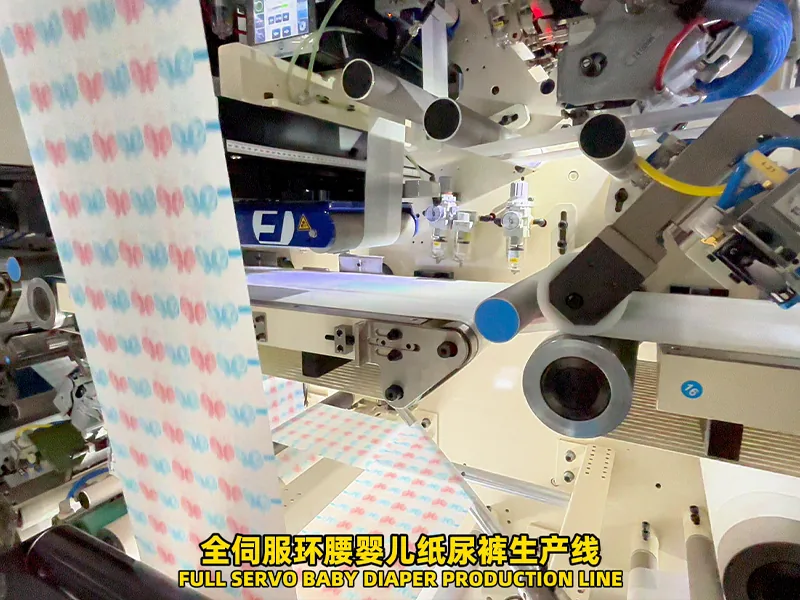
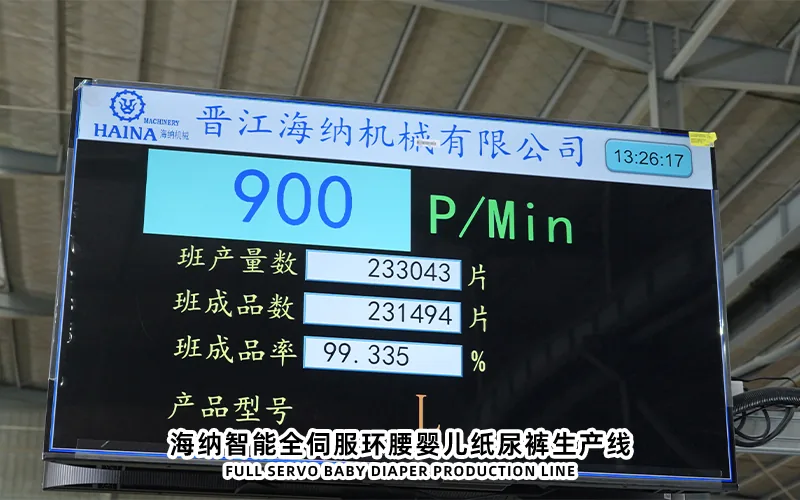
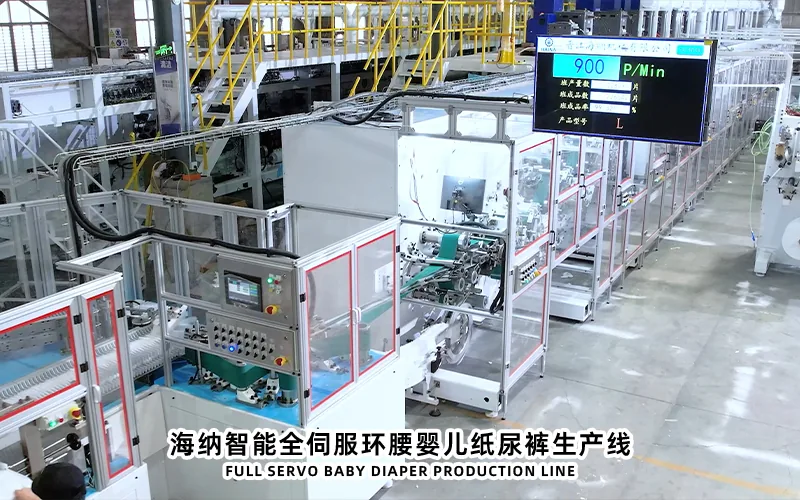
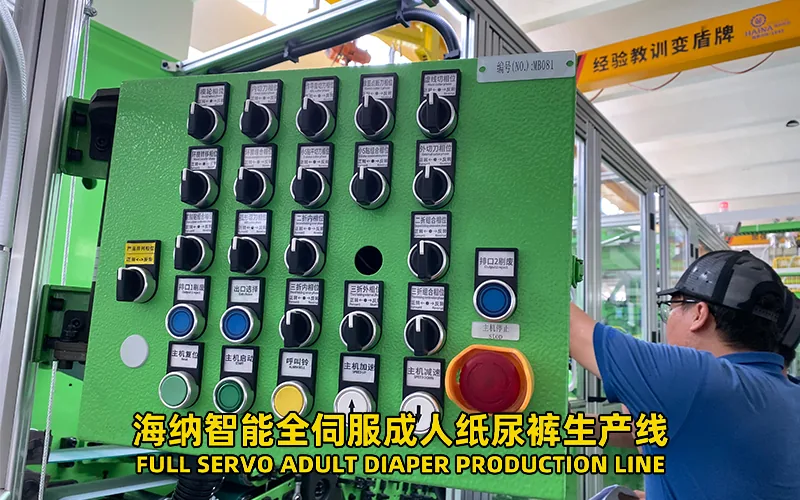
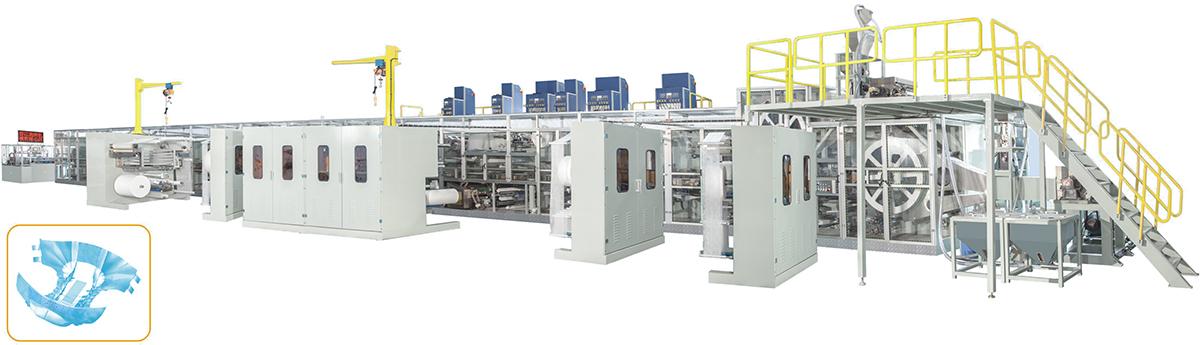
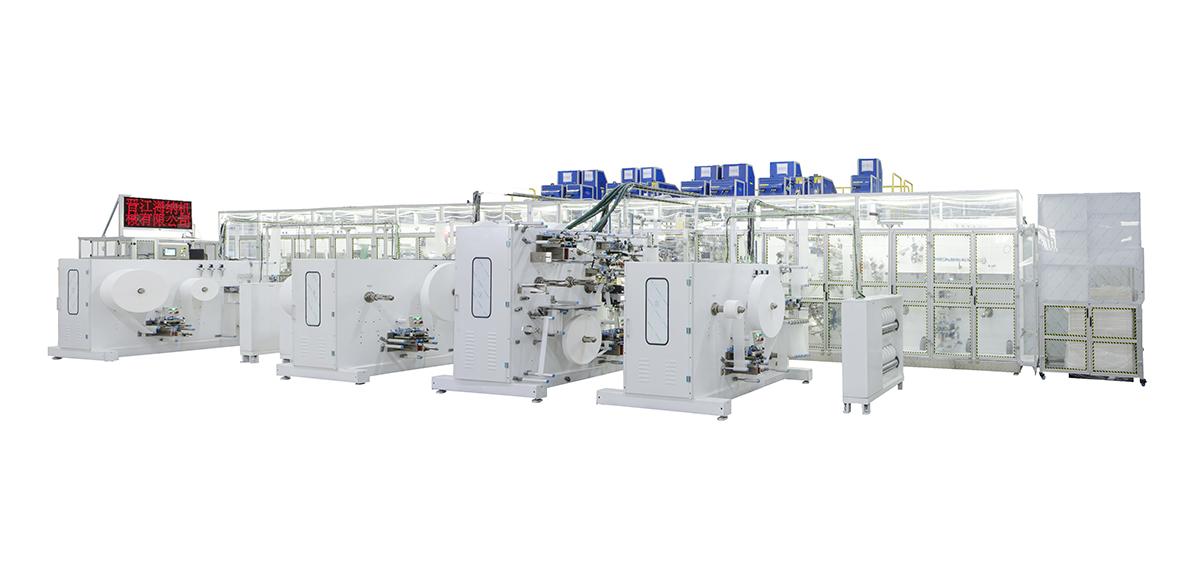
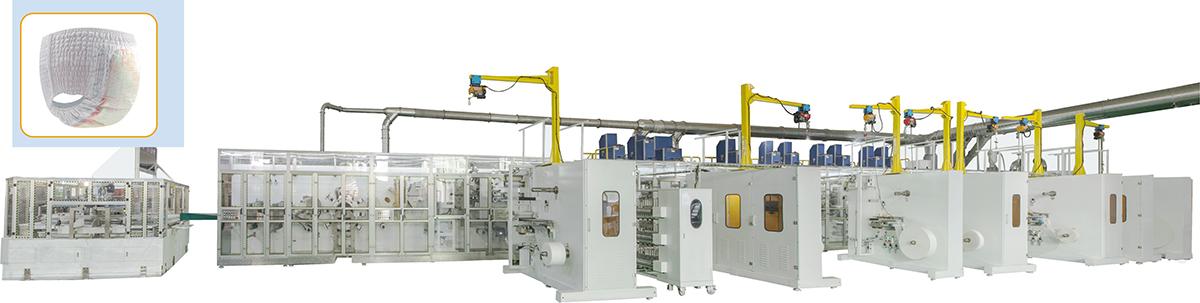
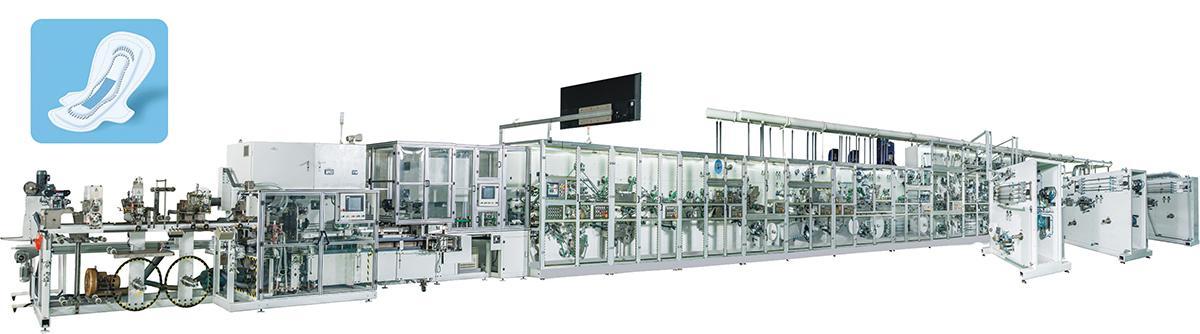
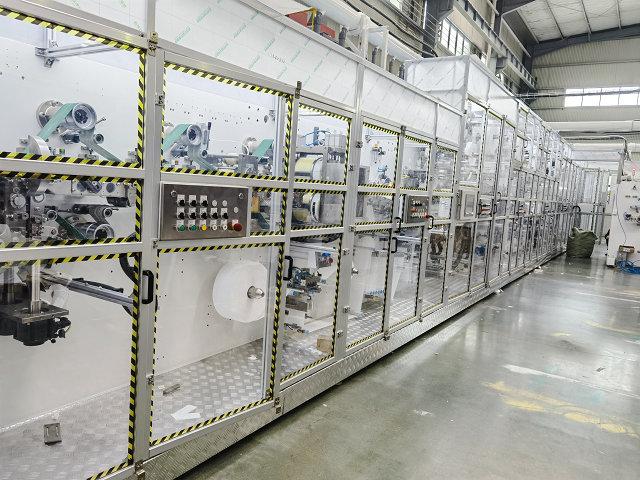
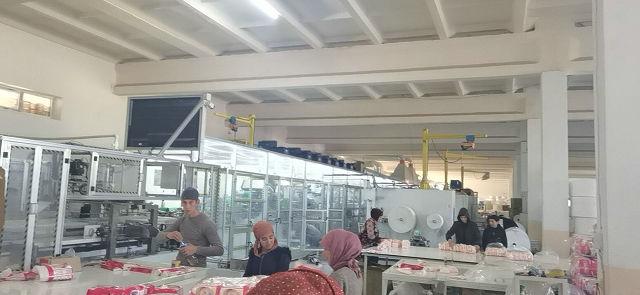
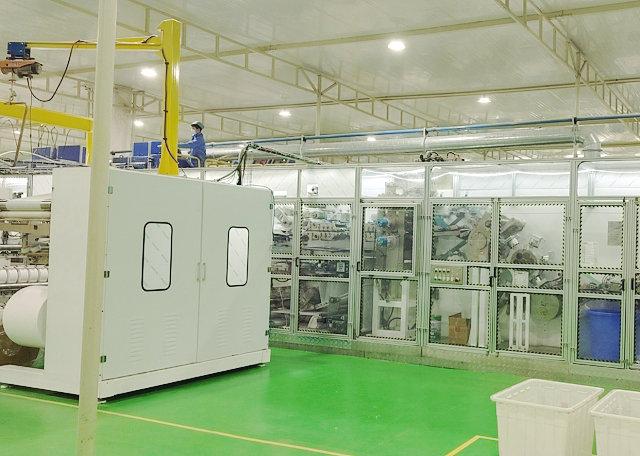
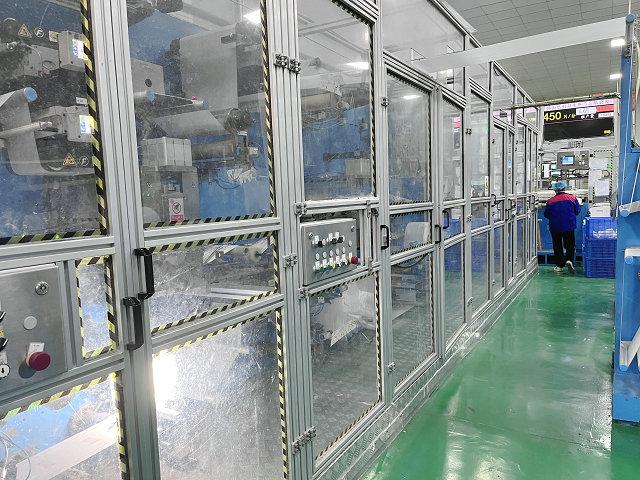
A fully automatic infant diaper machine delivers payback where automation removes a measured production constraint: frequent manual roll changes, unstable component placement, delayed defect rejection, inconsistent stacking, repetitive bag loading, or slow fault diagnosis. The value is not the word automatic and cannot be proven by design speed alone. Buyers should map current labor and losses by task, estimate accepted output at the complete line boundary, include materials, maintenance, training, utilities, and changeovers, then verify assumptions during FAT and site operation. Automation pays back only when the factory can supply, staff, maintain, and sell the added accepted output.
Define the Automation Payback Boundary
Start by stating which process and financial period are being compared. The baseline may be a manual line, a partly automated line, an existing high-speed line with a packaging constraint, or a new factory alternative. Use the same product mix, shift calendar, material assumptions, quality release, and packing boundary for both cases.
Define the output point. Products counted at the cutter, after automatic rejection, at the stacker, in sealed bags, or in accepted cases are different measures. Payback should generally use accepted saleable output at the boundary that the investment actually controls. Do not credit the main line for bags that the downstream process cannot complete.
List the automation functions included in the proposed configuration. Examples can include driven unwinds, automatic splicing, web guiding, tension control, servo registration, adhesive monitoring, component detection, vision inspection, automatic rejection, counting, stacking, bagging, alarm history, and production data. A comparison is valid only when both parties use the same scope.
Automation value must be measured at a clearly defined production boundary.
Map Manual Work by Task and Production Event
Walk the full shift and record work rather than counting people from an organization chart. Include roll preparation, lifting, splicing, threading, adhesive replenishment, pulp and SAP supply, process observation, quality sampling, waste removal, fault response, stack handling, bag supply, case packing, pallet movement, cleaning, changeover, and planned maintenance.
For each task, record frequency, active minutes, waiting, travel, skill, ergonomic exposure, and whether the work stops production. Separate productive technical work from repetitive transfer. Automation that removes one handling task may create new duties in material preparation, sensor cleaning, data review, bag supply, or maintenance.
Build staffing by operating condition. Normal running, startup, roll change, size change, breakdown, sanitation, and maintenance require different roles. A lower normal-run headcount does not prove lower total labor if specialists are repeatedly called for recovery. Include supervisors and quality release only to the extent that the investment changes their work.
Labor observation sheet
Task and station observed under a named product and operating condition.
People, skill level, active time, waiting time, travel, and repetition.
Whether the task stops the line, affects quality, or creates safety exposure.
Automation function proposed and the new human work it creates.
Training, maintenance, materials, and interface assumptions required.
Evidence source and owner who will verify the post-installation result.
Value Functions That Protect Line Continuity
Automatic roll handling and splicing can reduce planned interruption when materials, splice preparation, sensors, and controls are suitable. Evaluate each unwind separately because high-consumption materials and infrequently changed components have different potential value. Include splice success, associated waste, setup labor, and recovery from a failed splice.
Web guiding, tension control, servo registration, and recipe control can reduce adjustment and drift when materials stay inside the approved process window. Their benefit appears through fewer stops, faster recovery, less tuning, and more consistent placement. It does not appear merely because a servo or camera is installed.
Alarm history, trends, diagnostic screens, and condition signals can shorten fault finding when the factory has trained technicians and preserves data. Too many poorly defined alarms can increase confusion. Review alarm priorities, timestamps, event context, access rights, backup, and the action expected from operators.
Continuity functions create value when they reduce verified interruption and recovery losses.
Measure the Value of Inspection and Rejection
Automatic inspection can identify selected missing, displaced, contaminated, or dimension-related conditions, depending on the specified sensors and vision functions. The value comes from detecting the agreed defect reliably, linking it to the correct product, rejecting it physically, and recording the event. A camera image without controlled reject confirmation does not protect finished goods.
Define challenge samples and detection limits during FAT. Use actual materials, colors, textures, positions, sizes, and operating conditions. Check false rejection as well as missed detection because unnecessary rejects consume materials and may interrupt packing. Verify how the system behaves during startup, splice, speed change, stop, and restart.
Quality savings should use the factory's verified baseline: internal reject, rework, hold, sampling burden, complaint investigation, or disposal that the automation can realistically affect. Do not assign all waste to inspection. Core formation, material defects, setup, damage, and packaging can have causes outside the selected sensor's scope.
Decision note: Inspection is most valuable when the defect definition, challenge method, rejection path, data owner, and response procedure are agreed before purchase.
Check the Downstream Bottleneck Before Investing
Observe counting, folding, stacking, transfer, bag opening, loading, sealing, coding, case packing, and pallet movement. If operators cannot remove stacks consistently or the bagger stops frequently, increasing the main-line set point may only create accumulation and repeated upstream stops. Measure accepted packed output and reasons for blockage.
Review the interface logic between converter and bagger. Define normal rate balance, accumulation, product orientation, missing-stack response, bag replenishment, reject handling, emergency stop, restart, and responsibility for communication signals. A fully automatic label should not hide a manual transfer or an untested boundary between suppliers.
Material logistics can also become the bottleneck. Faster accepted production consumes rolls, adhesive, pulp, SAP, bags, cases, and pallets more quickly. Check warehouse capacity, staging, lifting, roll preparation, waste removal, utilities, and quality sampling. Capacity exists only when the surrounding factory can support it.
Payback should use accepted packed output when downstream equipment is inside the investment.
Include Integration and Lifecycle Cost
Add more than equipment purchase price. Include building work, power distribution, compressed air, extraction, cooling where required, network, lifting, installation, travel, commissioning materials, packaging trials, training, quality tools, startup waste, and production interruption for integration. Identify taxes and logistics according to the actual contract without assuming a universal treatment.
Estimate ongoing cost for energy, compressed air, consumables, camera lighting, sensors, belts, blades, batteries, filters, software support, calibration where applicable, preventive maintenance, and critical spares. Advanced automation may require higher technical skill even while routine handling falls. Include technician coverage and training refresh.
Account for flexibility. A function can be valuable for one stable product but slow frequent size or material changes. Review recipes, physical tooling, sensor repositioning, vision jobs, bag formats, and revalidation. Use the planned product mix rather than one long production run as the financial basis.
Build an Evidence Based Payback Model
Model input
How to calculate
Evidence source
Important limit
Accepted output gain
New accepted packed output minus verified baseline under matched conditions
Shift records and controlled trials
Do not use design speed or a short peak
Labor effect
Changed task hours and rates across all operating states
Time study and staffing plan
Include new technical and supply work
Quality effect
Only verified defects, rejects, or inspection work affected by the function
Quality and challenge-test records
Do not claim savings outside detection scope
Downtime effect
Changed event frequency multiplied by changed duration and contribution basis
Reason-coded stop history
Separate planned, unplanned, and downstream stops
Incremental operating cost
Utilities, maintenance, spares, support, and training difference
Supplier scope and factory rates
Use local cost and realistic utilization
Net investment
Equipment and all required integration and startup costs
Contract, project budget, and site plan
Include omitted interfaces and contingency
Calculate a base case and sensitivity cases for utilization, material availability, accepted output, selling contribution, labor redeployment, downtime, and maintenance. Avoid one precise result built on uncertain assumptions. Mark each input as measured, contracted, quoted, estimated, or unknown and assign an owner and review date.
The basic payback period can be expressed as net investment divided by verified annual net benefit, but the equation is only as strong as its inputs. Keep revenue, contribution, cash flow, and cost savings distinct. Finance should approve the economic method, while production and quality own operational evidence.
Verify Results in FAT and Early Production
Place functional tests in the FAT: roll-change sequences, web guiding, recipe selection, sensor challenges, reject confirmation, stack transfer, bagger stop response, alarm history, and data export. Distinguish design speed, operating set point, stable working speed, and contractual acceptance value. Record accepted output, stops, waste, and quality using agreed definitions.
HAINA can review the automation boundary for a fully automatic infant diaper machine against the buyer's material, product, staffing, and downstream plan. The commercial model should remain the buyer's own calculation and should be updated with FAT and site evidence rather than a supplier's generic savings claim.
After commissioning, run a staged review at startup, early stable production, and a later representative period. Compare actual tasks, accepted output, stops, material loss, quality, maintenance, and utility use with the approved baseline. Correct training, materials, settings, spares, and logistics before declaring the investment successful or unsuccessful.
FAT and site records replace assumptions with operating evidence for the payback model.
Automation Payback FAQ
Does higher design speed guarantee faster payback?
No. Payback depends on stable accepted packed output, utilization, demand, materials, downstream capacity, labor tasks, maintenance, quality, and local economics.
Should every unwind have automatic splicing?
Evaluate consumption, change frequency, stop impact, material suitability, splice success, waste, and cost for each unwind. The same answer may not fit every component.
Can labor savings be estimated from headcount alone?
No. Map task hours across normal running, supply, changeover, cleaning, faults, quality, packaging, and maintenance, including new skills created by automation.
When should the payback model be updated?
Update it after scope changes, FAT, site commissioning, and representative production periods, or when product mix, prices, staffing, materials, or utilization change materially.
Conclusion
A fully automatic infant diaper machine creates economic value when specific functions remove measured constraints and the complete factory can use the result. Define the boundary, map manual work, value continuity and quality functions, test the packaging interface, and include lifecycle cost. Build the model from accepted output and reason-coded evidence, then update it through FAT and site operation. This approach shows where automation deserves investment and where materials, maintenance, training, or logistics must be improved first.