Adult & Baby Diaper Machine,Sanitary Napkins Production Line Blog
Ask 12 practical service questions when comparing sanitary napkins machine manufacturers, from site readiness and training to remote support and spares.
The most useful service questions for sanitary napkins machine manufacturers test what happens after a purchase order, not just what appears in a quotation. Buyers should ask who owns layout review, installation, commissioning, product trials, operator training, documentation, remote diagnosis, site visits, spare parts, software backup, change control, and final handover. Each answer should name the responsible party, required inputs, deliverable, response path, and acceptance evidence. A supplier that defines these points before contract signing gives the buyer a practical basis for comparing lifecycle support and identifying work that otherwise becomes an unplanned factory responsibility.
Turn Service Promises into a Defined Scope
Words such as full support and quick response do not describe an executable service. A service scope should identify the work, buyer and supplier boundaries, starting conditions, and completion record. This matters because materials, utilities, packaging, and operator readiness all affect commissioning.
Begin with a responsibility matrix. Put the supplier, buyer, local contractor, material provider, and packaging partner in separate columns. Then list layout approval, foundation work, electrical connection, compressed air, material delivery, lifting, line placement, trial production, quality testing, training, and handover. Assign one owner and one approval method to every item. Shared responsibility should still have a lead party, because a task owned by everyone is often controlled by no one.
Link service to the purchased configuration. A line discharging loose products needs different support from one integrated with a stacker or bagger. Multiple pad formats also require more detailed recipe, tooling, and changeover handover. Revise the service plan whenever equipment or product scope changes.
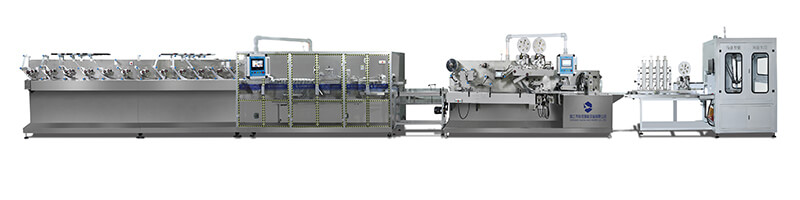
Review the actual line scope before accepting general service language.
Ask These 12 Service Questions
Use the same questions for every shortlisted supplier. Request written answers and sample deliverables where practical. The questions cover service from pre-installation planning through production.
Who reviews our final layout and utilities? Ask what drawings and plant data are required, who signs the review, and how revisions are controlled.
What must be ready before technicians arrive? Request a site-readiness checklist covering access, power, air, lifting, materials, operators, and test instruments.
Who supervises unloading and line placement? Confirm whether rigging and positioning are included, supervised, or entirely buyer supplied.
How is installation completion documented? Look for mechanical, electrical, safety, lubrication, and utility checks rather than a verbal confirmation.
What defines commissioning completion? Separate dry checks, material threading, first product, parameter tuning, stable operation, and handover.
Which materials and product formats are used for trials? Define quantities, specifications, delivery timing, substitutions, and ownership of unused stock.
How are operators and maintenance staff trained? Ask for role-specific objectives, practical exercises, attendance records, and competency checks.
Which documents are delivered and in what language? Include operating, maintenance, electrical, pneumatic, parts, recipe, and troubleshooting information.
How does remote technical support begin? Confirm the contact channel, information required, escalation path, working language, and case record.
When is an on-site visit considered? Clarify diagnosis steps, travel approval, cost allocation, visa support, and parts preparation before dispatch.
How are recommended spare parts selected? Separate startup spares, wear parts, critical risk parts, and locally available standard components.
How are software and engineering changes controlled? Ask about backups, version identification, authorization, testing, release notes, and restoration.
Do not score a response by how generous it sounds. A narrow commitment with named deliverables can be more usable than a broad promise without a trigger, owner, or evidence. Keep questions open until answers enter the technical agreement or schedule.
Check Installation Inputs and Site Responsibilities
Installation delays often begin with missing inputs rather than a mechanical defect. Ask the supplier to issue a controlled layout showing equipment orientation, operating side, major module positions, utility connection points, maintenance access, raw-material routes, finished-product discharge, and space for packaging. The buyer should return approved plant information through one document channel so that the installation team does not work from an outdated drawing.
The readiness list should distinguish facility work from machine work. Facility work may include floor condition, electrical distribution, compressed-air supply, ventilation, lighting, network access, material storage, and safe movement paths. Machine work includes assembly verification, connection between shipped sections, guarding, lubrication, sensors, web paths, and control checks. Any local fabrication or cable extension should be approved before it changes the intended design.
Ask what evidence technicians need when a site is not ready. Photographs can confirm access and approximate placement, but utility measurements, breaker information, pressure stability, and grounding checks may require documented values. The supplier should identify which conditions can be corrected during installation and which conditions must stop the work. This prevents travel time from being consumed by avoidable facility preparation.
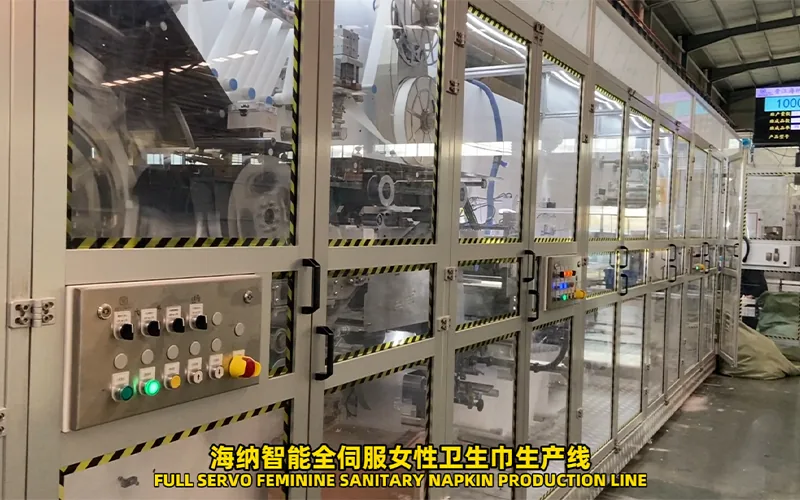
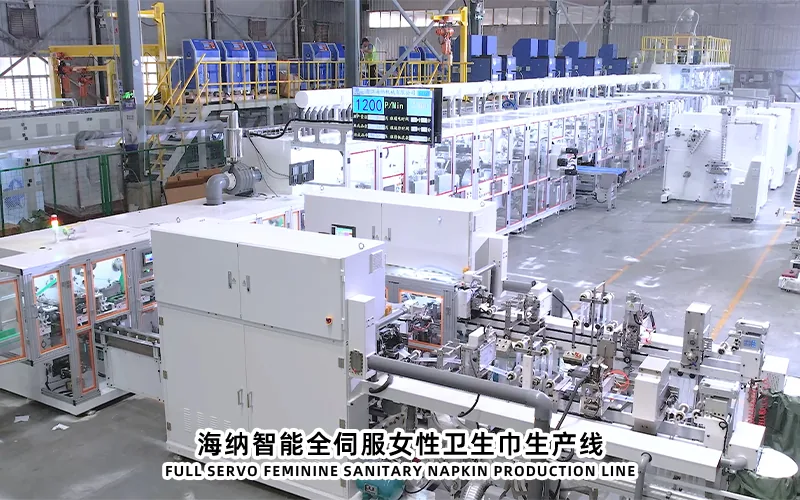
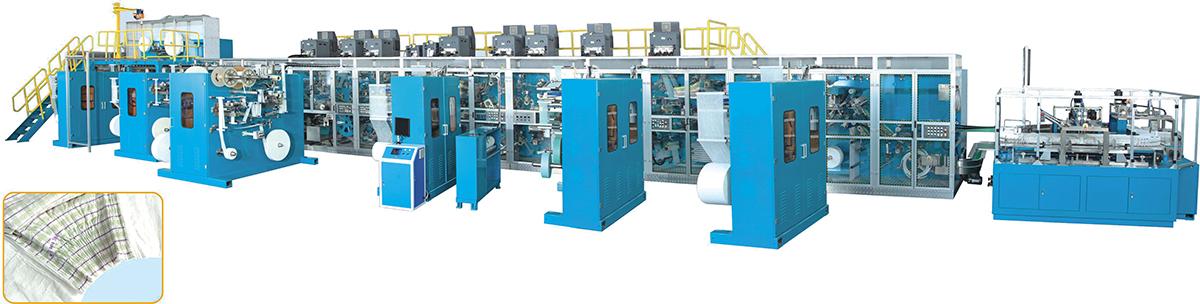
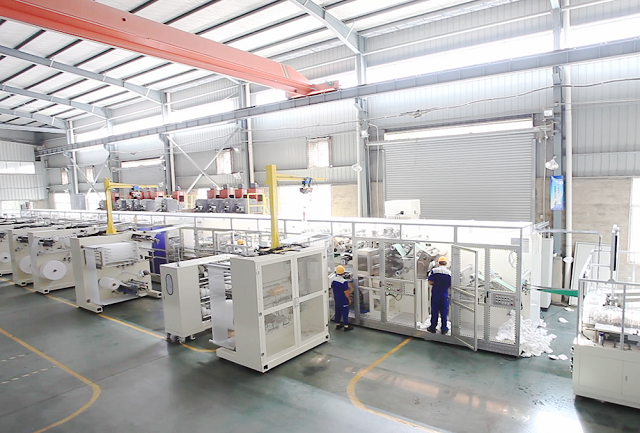
Installation planning should cover module access, utilities, and material movement.
Define Commissioning and Acceptance Evidence
Commissioning is a sequence, not one production run. It normally moves from static inspection to powered checks, material threading, individual function tests, coordinated operation, product adjustment, quality sampling, and operator-led production. Define which stage is installation completion, which stage is commissioning, and which stage is formal acceptance. Payment and warranty milestones should use the same definitions as the technical team.
Acceptance evidence should connect machine behavior to the approved product. Record the material specifications, product format, recipe version, tooling, operating condition, stops, alarms, adjustments, rejected products, quality samples, and packaging interface. Design speed should not be substituted for an agreed stable operating result. If a value has not been verified for the buyer's product and materials, describe it as a target or subject to trial rather than a guaranteed result.
Ask how incomplete points are classified at handover. A punch list should state whether each item affects safety, product quality, continuous operation, documentation, or convenience. It should also name the owner, temporary control, due date, and verification method. HAINA buyers can use this evidence-based approach when reviewing a sanitary napkin machine proposal and its associated service obligations.
Match Training and Documents to Plant Roles
One classroom presentation is not enough for every role. Operators need startup, shutdown, threading, recipe selection, routine adjustment, alarm response, quality checks, cleaning, and safe recovery practice. Maintenance staff need mechanical adjustment, lubrication, wear inspection, sensor setup, electrical diagnosis, backups, and controlled replacement. Supervisors need production records, change authorization, escalation, and shift handover methods.
Ask the supplier to identify the starting skill expected from trainees. Training can then combine explanation, demonstration, supervised practice, and an observed task. Useful completion records show who attended, what was covered, which practical tasks were performed, and which questions remain open. Translate essential safety and operating materials when the working language of the plant differs from the supplier's language.
Documentation should match the machine delivered, not a generic model. Verify drawing revision, component references, software version, alarm list, spare-parts identifiers, lubrication points, maintenance intervals, and changeover settings. Decide whether editable files are included, which files are controlled, and how later revisions will be supplied. Store an approved copy away from the machine computer so that a hardware failure does not remove the only usable record.
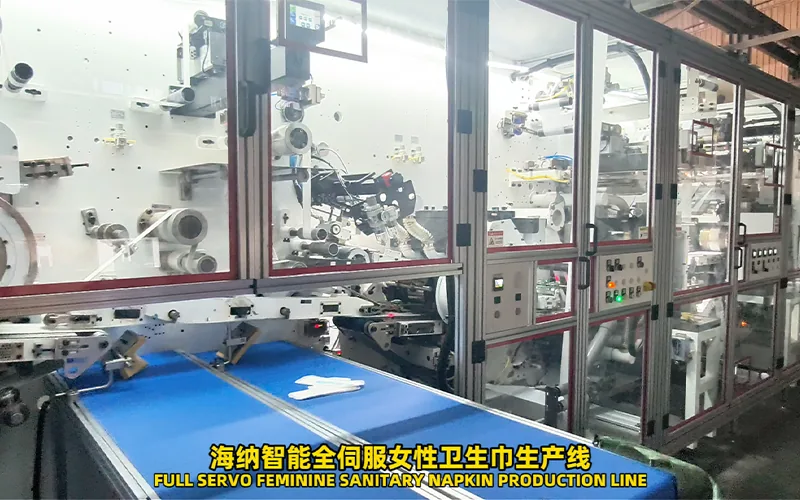
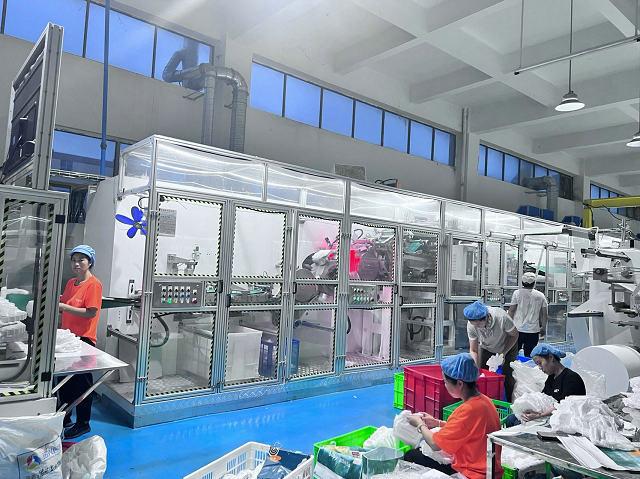
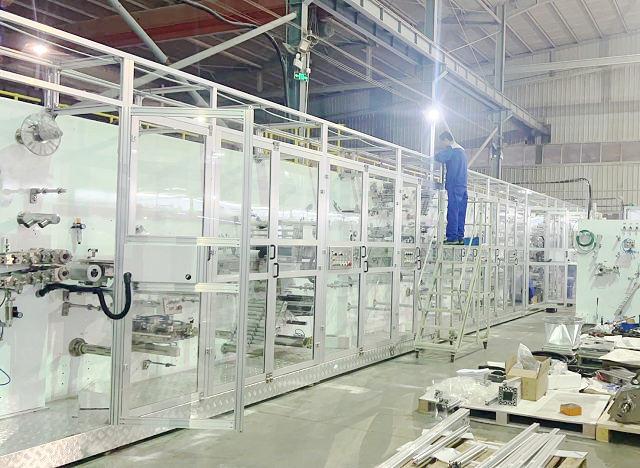
Training should use the delivered process areas and the plant's actual job roles.
Test the Remote Support Workflow
Remote support works only when the plant can provide useful evidence. Ask what information must accompany a request: machine state, product format, material batch, alarm history, photographs, video, trend data, recent changes, and actions already attempted. Define one official channel that creates a traceable case instead of scattering messages across personal accounts.
Run a desk exercise before handover. Give the service team a sample fault and have the plant collect the required information through the approved method. This reveals missing permissions, language gaps, unavailable data, and uncertain escalation before a production interruption.
Remote access should be controlled by the buyer. Define who can authorize a session, how access is enabled and disabled, whether actions are observed, what changes may be made, and how the final configuration is recorded. Diagnosis does not automatically authorize a software or parameter change. The plant should preserve a known backup and a restoration path before approved changes are applied.
Control Spare Parts Software and Changes
A spare-parts proposal should explain why each item is recommended. Startup spares support installation and early tuning. Wear parts relate to expected maintenance. Critical spares protect against parts whose failure could cause a long interruption. Standard electrical or pneumatic components may be sourced locally if the specification, compatibility, and substitution process are clear.
Ask for part numbers, descriptions, installed quantities, drawings where appropriate, and storage guidance. The plant should link issued parts to maintenance records so that consumption can inform later stocking. A large undifferentiated list can tie up budget without reducing operational risk, while a very small list can leave the plant dependent on urgent international delivery.
Engineering changes need the same discipline. Every approved mechanical, electrical, recipe, or software change should record the reason, affected functions, authorization, test result, new revision, and backup location. This protects future diagnosis because the service team can determine what configuration is actually running rather than assuming it still matches the shipment record.
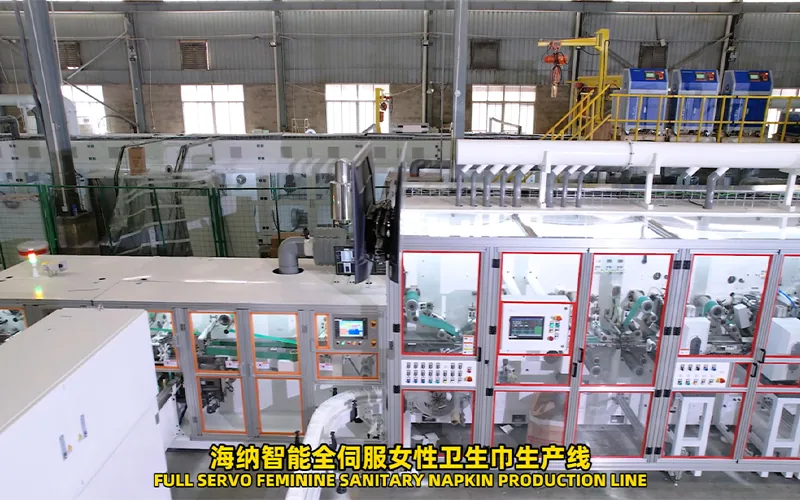
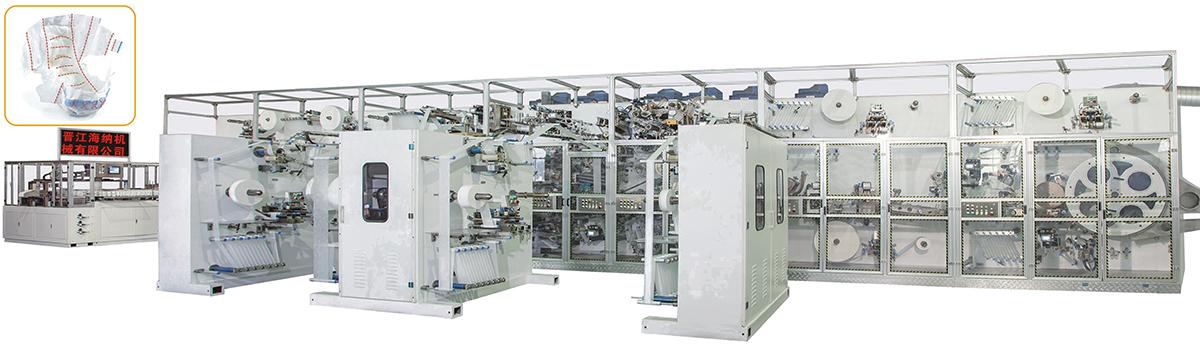
Spare-parts planning should follow the installed configuration and operating risk.
Compare Supplier Answers Consistently
Summarize answers after clarifications close. Compare evidence quality and scope clarity separately from price, because a lower service price may transfer more work and risk to the buyer.
Risk basis, identifiers, revision and backup rules
Parts list and change record template
Long downtime or lost configuration
For the relevant equipment scope, review HAINA's automatic feminine sanitary napkin machine information alongside the same service questions. Product information establishes context, while the final contract and acceptance documents must establish the project-specific commitment.
Service Questions FAQ
Should service response time be the main comparison point?
No. Response time matters, but the buyer must also define the contact channel, required diagnostic data, working hours, escalation path, language, and action authority. A fast acknowledgement is not the same as a completed diagnosis.
Can operator training be completed during commissioning?
Some training can occur during commissioning, but learning objectives and production pressure should be separated. Operators need supervised practice after the line reaches a controlled condition, while maintenance staff need additional fault and adjustment work.
What should trigger an on-site service visit?
The trigger should be agreed in advance. It may follow documented remote diagnosis, a safety-critical condition, work requiring specialist tools, or a problem that cannot be isolated locally. Cost and preparation responsibilities should also be written.
Why ask about software backups before shipment?
Because backup ownership, version identification, storage, and restoration are easier to establish during handover than during a failure. The delivered backup should match the accepted machine configuration and be tested through a controlled procedure.
Conclusion
The right service discussion converts broad support language into responsibilities, inputs, records, and acceptance methods. Ask the same 12 questions of every supplier, close gaps in writing, and connect the resulting answers to the layout, project schedule, technical agreement, FAT, commissioning plan, and handover package. The goal is not to demand unlimited service. It is to know who will do each essential task, under what conditions, and how both parties will verify completion throughout the machine lifecycle.