Adult & Baby Diaper Machine,Sanitary Napkins Production Line Blog
Learn why diaper machine cost has no universal average and build a realistic budget from product type, configuration, scope, site work, and lifecycle needs.
A diaper machine has no dependable universal average cost because baby tape diapers, pull-ups, adult products, underpads, and different automation levels require different process modules, controls, tooling, inspection, and packaging interfaces. Build a realistic budget from an itemized technical scope, then add factory preparation, freight, import charges, installation, training, startup materials, spares, utilities, labor, maintenance, waste, and working capital. Any price shown without the product specification, delivery boundary, and acceptance conditions is only an early indication, not a purchase budget.
Why a Single Average Cost Misleads Buyers
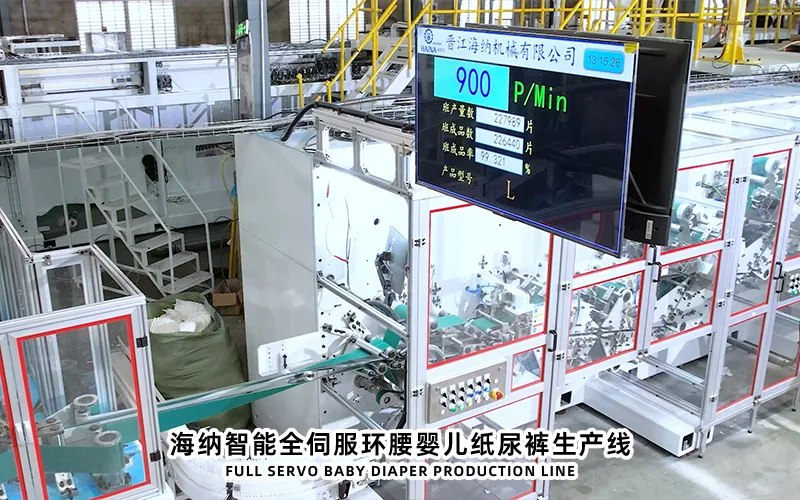
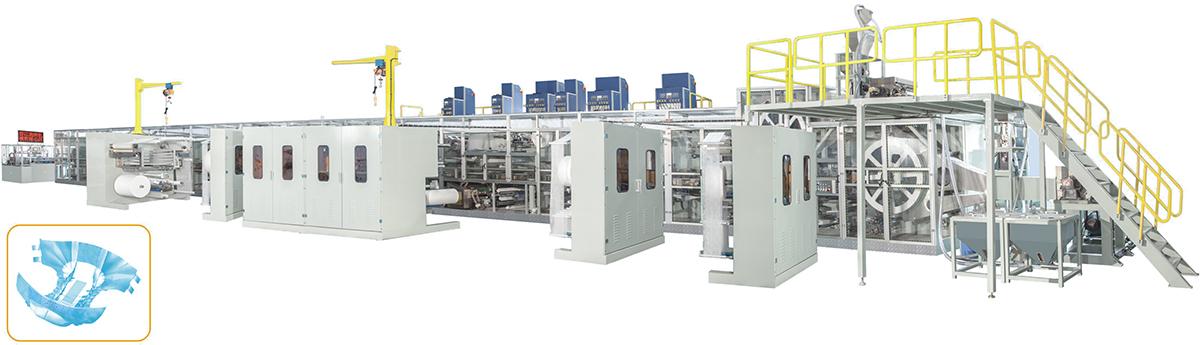
Diaper equipment is engineered around a product and production model. A line for one basic baby diaper size is not economically comparable with a multi-size full-servo line that includes automatic splicing, online inspection, rejection, stacking, and bagging connection. Even when two suppliers use the same product name, their included modules, component level, service, documentation, and acceptance scope may differ.
Public prices often omit tooling, glue systems, dust collection, air equipment, auxiliaries, packing, freight, tax, installation, and commissioning. Others may describe used, refurbished, incomplete, or low-output equipment. Treat an online number as a prompt for clarification. Do not use it in a financing plan until the seller identifies the exact legal entity, machine, condition, scope, and commercial terms.
A useful cost range is project-specific. It should have a low, expected, and high case tied to named assumptions. When an assumption changes, update the relevant cost block rather than searching for a new generic average.
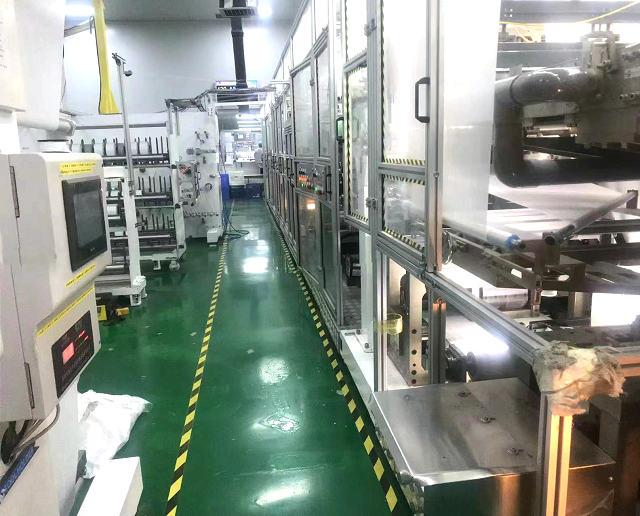
A budget should identify the complete ordered process and its commercial boundary.
Start with Product Type and Configuration
Define whether the project produces baby open diapers, baby pants, adult tape diapers, adult pants, or another absorbent article. List sizes, core design, waist and fastening features, elastic arrangement, materials, printing or registration, folding, package format, and planned future variants. Each decision can change the process and tooling.
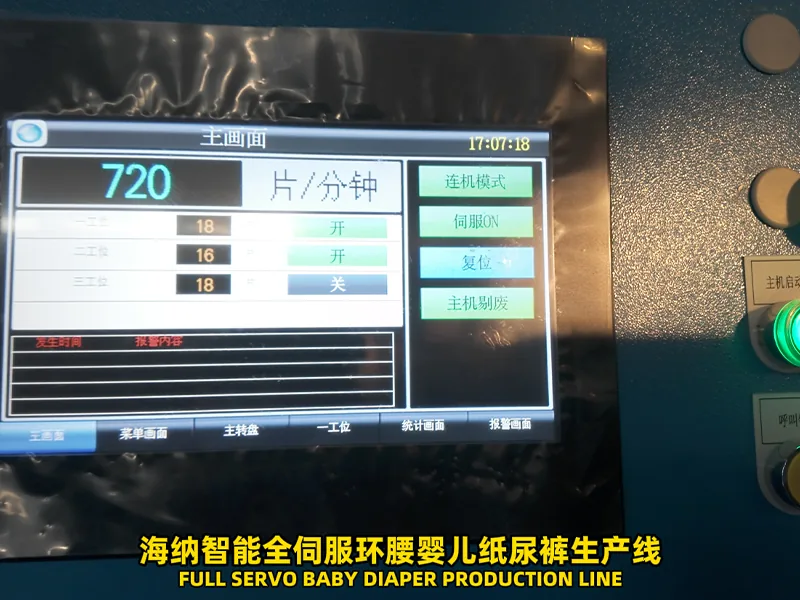
Next define automation by function. Identify roll handling, splicing, web guiding, tension, recipe control, dosing, inspection, rejection, counting, stacking, conveying, and bagging tasks. A fully automatic claim has limited budgeting value until the supplier states where people still handle materials, quality checks, faults, changeovers, and packing.
Cost drivers to define before requesting a firm offer
Product family, sizes, construction, and approved raw materials
Stable output required by the sales and shift plan
Servo, control, splicing, inspection, and rejection functions
Tooling, size change, future upgrade, and packaging scope
Destination utilities, safety requirements, language, and documents
FAT, delivery, installation, training, spares, and support responsibilities
Separate the Budget into Six Layers
Layer one is the main converting line and confirmed tooling. Layer two covers auxiliary equipment such as adhesive supply, dust extraction, air preparation, material handling, laboratory tools, and waste systems. Layer three covers counting, stacking, bagging, coding, case packing, and transfer. Layer four is freight, insurance, import, unloading, and inland transport.
Layer five covers the factory: building modifications, power, grounding, compressed air, ventilation, climate control, network, fire protection, access, platforms, lifting, storage, and workflow. Layer six covers launch and operation: installation, travel, training, trial materials, initial scrap, critical spares, consumables, staffing, working capital, and product qualification.
Keep the layers visible even when one contractor supplies several of them. This makes exclusions clear and allows local quotations to replace estimates. It also prevents the machine price from being blamed for costs that actually belong to the building, logistics, or product launch.
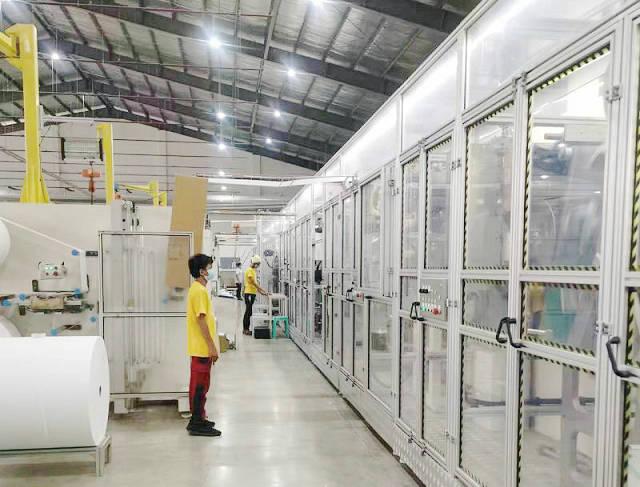
Product family and raw-material design are primary configuration drivers.
Use a Cost Model Instead of a Price List
Budget layer
Primary variables
Evidence source
Update trigger
Converting equipment
Product, modules, controls, tooling, and acceptance
Final technical quotation
Scope or product change
Auxiliary and packing
Glue, air, dust, handling, stacking, bagging, and coding
Interface and supplier offers
Automation boundary change
Logistics and import
Trade term, packing, volume, route, duty, and local transport
Forwarder and customs review
Shipment plan or rate change
Factory readiness
Layout, utilities, environment, access, and safety
Site engineering quotations
Approved machine layout
Commissioning and ramp-up
Labor, travel, materials, training, trials, and rejects
Responsibility matrix and launch plan
Schedule or product readiness change
Lifecycle operation
Labor, energy, maintenance, spares, waste, and downtime
Scenario model and operating data
Actual performance becomes available
Do not hide unknown items inside one contingency line. Maintain a risk register naming the uncertainty, owner, cost exposure, evidence needed, and decision date. Close the largest exposures before contract signature.
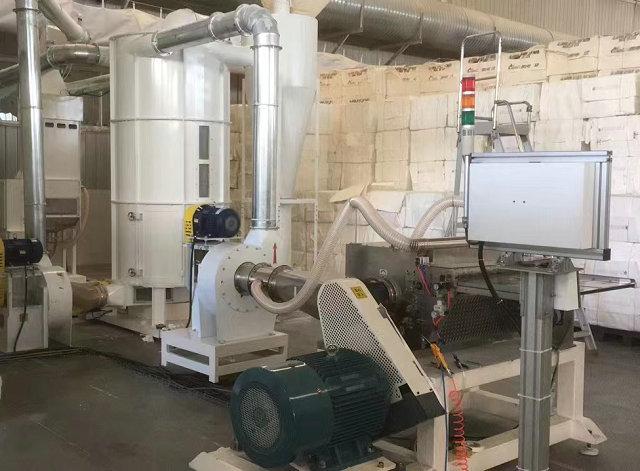
Controls, spares, documentation, and support affect the cost beyond delivery.
Normalize Price, Capacity, and Commercial Terms
Compare offers only after aligning included scope and assumptions. Convert currency and payment timing, review trade terms, and add missing modules or services. Check whether quoted tooling covers all sizes. Confirm whether trial materials, technician travel, accommodation, translation, software licenses, and spare parts are included.
Relate price to sellable output under stated conditions. Ask for the product, materials, stable speed, duration, stop rules, reject method, quality limits, and downstream arrangement used for acceptance. A lower price per nominal cycle can become a higher cost per sellable piece when efficiency, waste, or packer balance is weak.
Commercial terms also carry risk. Payment gates should correspond to verifiable milestones such as design approval, manufacturing progress, successful FAT, shipment documents, installation, or site acceptance. The exact structure depends on the transaction, but the buyer should not release a milestone based only on calendar time.
Confirm the machine's condition and configuration at each milestone. A payment linked to manufacturing progress should identify the modules, drawings, or inspection evidence required. A shipment payment should reference the FAT closeout, packing list, software and document delivery, and treatment of unresolved noncritical items. This connects cash release to evidence without changing the agreed commercial relationship informally.
Test Lifecycle Cost Across Demand Scenarios
Build at least three operating scenarios. The launch case should reflect training, lower utilization, more adjustment, and initial material learning. The expected case can use evidence from stable trials and a realistic production plan. The stress case can test lower demand, difficult materials, delayed spares, higher energy, or more changeovers.
Estimate labor by role, energy, compressed air, adhesive, planned maintenance, wear parts, quality loss, changeover time, minor stops, and recovery from failures. Use local rates. Sensitivity analysis often shows that raw-material waste and sellable output have more influence than a small difference in purchase price.
For a project-specific offer, HAINA can review inputs for its baby diaper manufacturing machine. Buyers should require an itemized response and calculate economics with their own sales, material, labor, and financing assumptions.
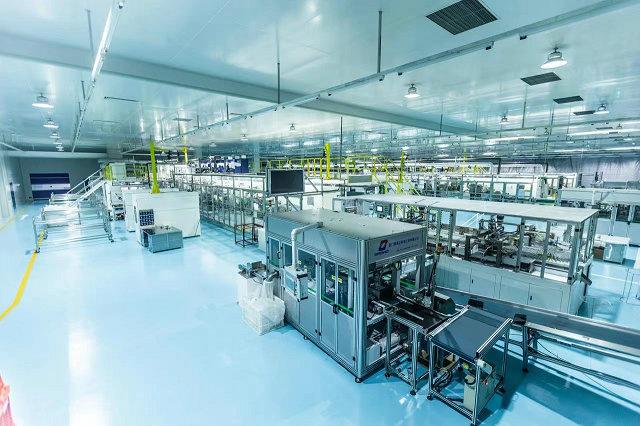
Acceptance evidence helps determine whether the proposed capacity is worth the investment.
Follow a Budget Workflow from Concept to Ramp-Up
Define product family, sizes, materials, package, and sales scenarios.
Issue one technical RFQ with scope, site, and acceptance inputs.
Normalize supplier quotations and price every exclusion.
Complete layout, utility, logistics, and local compliance review.
Attach the final scope and FAT method to the contract.
Update the budget at shipment, installation, and product trial gates.
Replace assumptions with actual output, waste, labor, and maintenance data after launch.
This sequence keeps the budget connected to engineering maturity. Early estimates remain useful for screening, while later decisions rely on firmer evidence. Record the version and assumptions of each estimate so stakeholders do not compare numbers developed at different project stages.
Finance should also separate cash timing from total project cost. Deposits, progress payments, freight, import taxes, site contractors, startup inventory, and customer payment cycles occur at different times. A technically viable project can still face a cash gap if equipment milestones and working-capital needs overlap. Build a monthly cash schedule once the supplier timeline is credible.
After launch, compare the approved business case with actual data at defined intervals. Investigate differences in output, waste, labor, energy, maintenance, and sales mix. The purpose is not to defend the original estimate; it is to improve production planning and future equipment decisions using observed evidence.
Keep financing assumptions outside the supplier's technical acceptance. Interest, exchange rates, tax incentives, customer credit, and depreciation may affect the investment decision, but they do not prove machine performance. Maintain a technical baseline and a financial model that reference one another while preserving their separate owners and evidence.
Request quotation validity and escalation rules in writing. Long design and approval periods can change freight, imported component, or travel costs. A transparent adjustment mechanism is easier to manage than a price that appears fixed but depends on undefined substitutions later.
Frequently Asked Questions
Can I get a useful price before sending diaper samples?
You can obtain a preliminary range, but a firm machine scope needs drawings, samples, sizes, materials, output, packaging, and factory conditions.
Is a fully automatic diaper machine always more expensive?
It usually includes broader controls and integration, but labels vary. Compare the actual automatic functions, tooling, auxiliary systems, and acceptance scope.
What is commonly excluded from a machine quote?
Possible exclusions include freight, duty, site utilities, adhesive supply, air systems, dust extraction, packing, travel, trial materials, and some spare parts. Confirm each proposal.
How should I compare a new line with used equipment?
Add inspection, dismantling, transport, missing tooling, control obsolescence, modification, recommissioning, documentation, and reduced support risk to the used-equipment case.
Conclusion
The average cost of a diaper machine is not a safe basis for an investment decision. Define the product, automation, capacity, packaging, site, delivery, and acceptance boundary, then assemble a layered budget. Normalize quotations and model lifecycle results under several demand cases. The next step is an RFQ that forces every supplier to price the same scope and identify assumptions. That creates a useful project range without publishing an invented universal number.