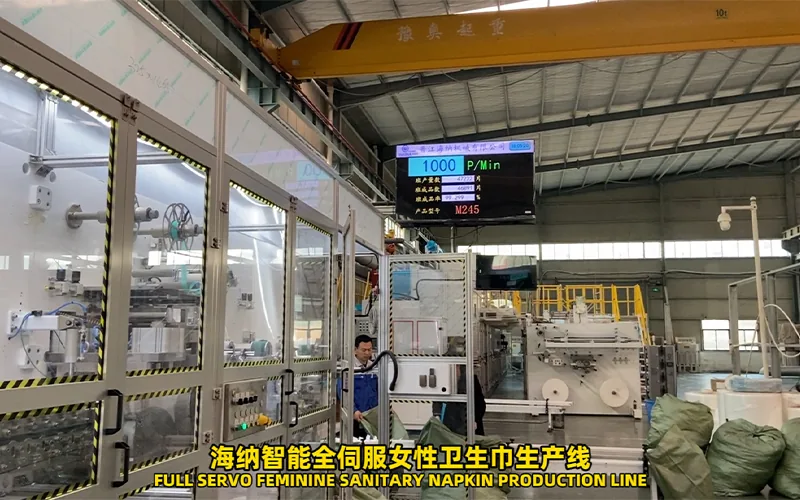
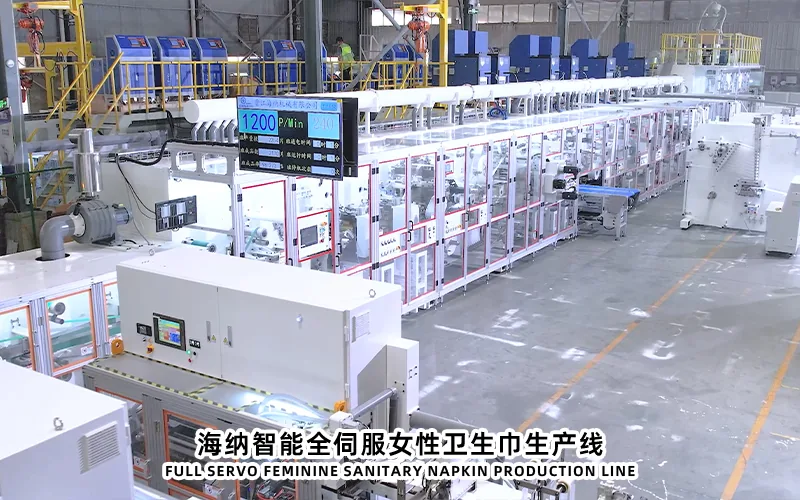
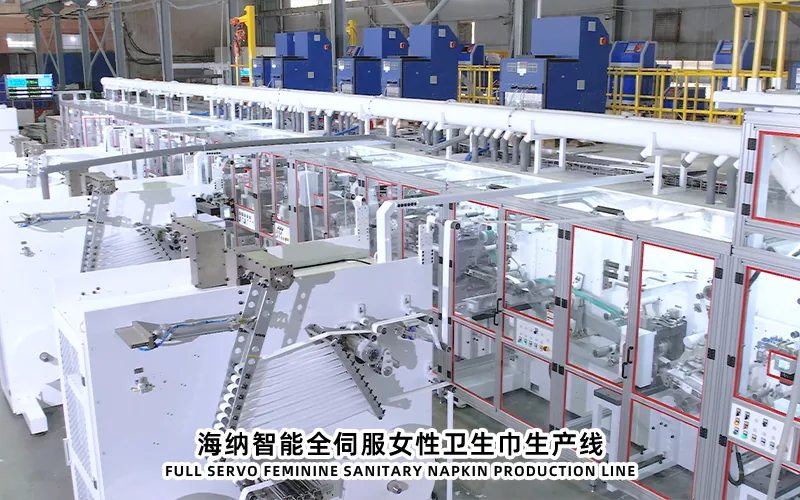
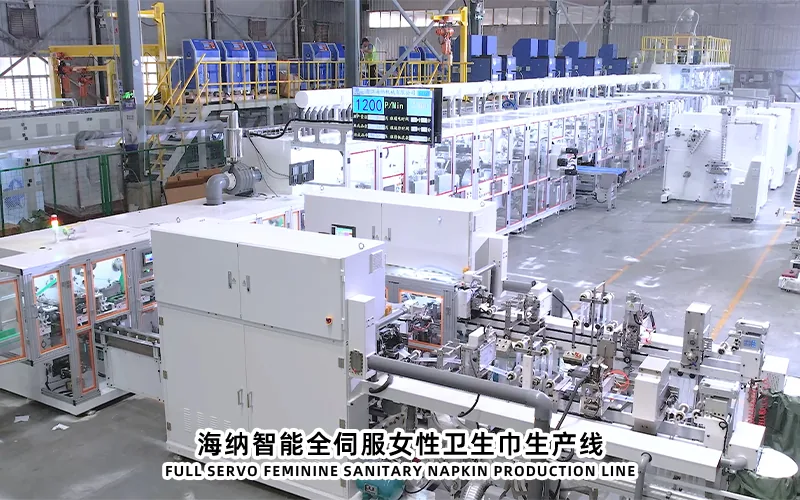
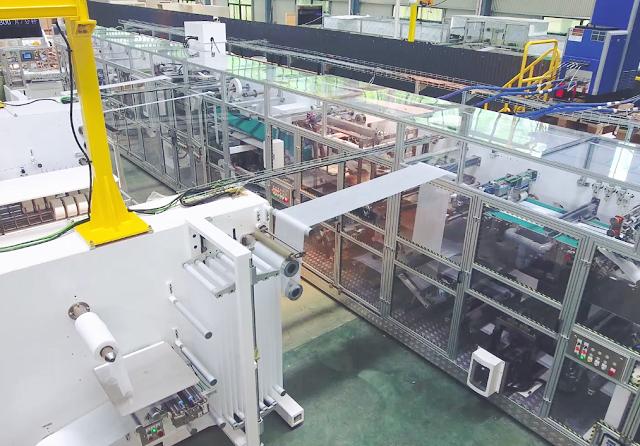
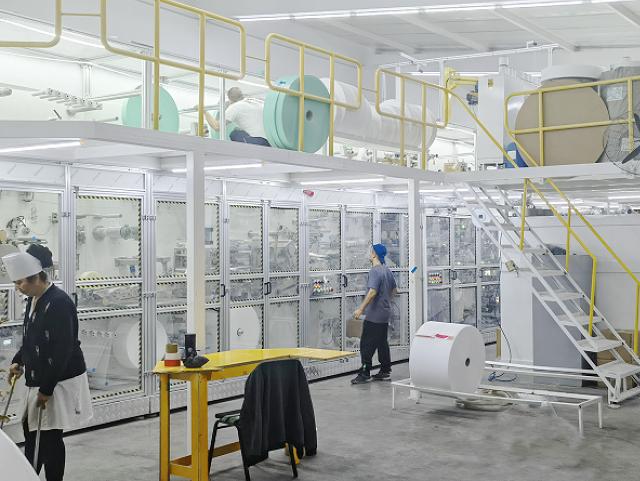
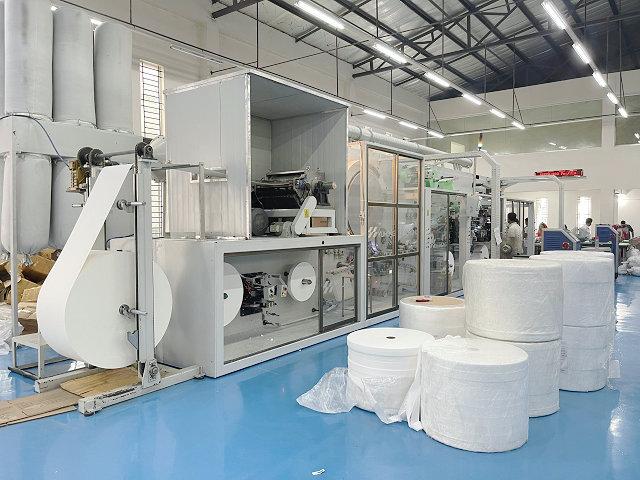
There is no defensible universal number for the typical lifespan of a sanitary pad machine. Serviceable life depends on frame and mechanism condition, operating load, materials, cleaning, maintenance discipline, environment, spare-part support, control-system obsolescence, documentation, and whether future products still fit the configuration. Buyers should evaluate life as a series of condition and capability gates rather than rely on a promised year count. Inspect structural alignment, recurring wear, drives and controls, safety functions, maintainability, parts availability, quality capability, and upgrade scope. Use operating records and measured condition to decide whether to maintain, overhaul, modernize, repurpose, or replace.
Define serviceable life correctly
Calendar age alone is a poor guide to remaining life. Two lines installed in the same year can have very different duty cycles, material exposure, environments, operating practices, maintenance histories, and modification quality. One may retain alignment and documentation; another may accumulate repeated temporary repairs, obsolete controls, and process instability. A buyer should ask how reliably the machine can continue to make conforming products under a safe, supportable, and maintainable configuration.
Separate physical life, functional life, support life, and economic life. Physical life concerns structure, shafts, mechanisms, bearings, drives, wiring, and other hardware condition. Functional life asks whether the line can make the required product range and quality. Support life addresses parts, software, documents, skills, and supplier or integrator access. Economic life compares the verified work needed to continue with the alternatives, using transparent assumptions rather than invented payback.
Life assessment should also distinguish machine sections. The frame may remain serviceable while cutters, belts, bearings, sensors, drives, controllers, interfaces, and inspection systems require replacement or modernization. Conversely, new controls cannot correct a distorted structure, chronic alignment problem, inadequate access, or process architecture that cannot support the future product.
Define the decision horizon and operating case before inspection. State planned products, size mix, materials, quality methods, shift pattern, downstream interfaces, maintenance window, and likely product changes. The same machine condition may be acceptable for a limited existing campaign but unsuitable for an expansion requiring new components, tighter control, or different handling.
Remaining life should be evaluated by section, function, product duty, supportability, and measured condition.
Wear mechanisms in a sanitary pad machine
Wear follows the work performed. Rotating assemblies may develop bearing, shaft, coupling, belt, pulley, or alignment problems. Guides, rollers, tension devices, applicators, folding components, transfer surfaces, and cutters can lose geometry or surface condition. Pneumatic or vacuum components may leak or respond inconsistently. Dust, adhesive residue, contamination, heat, vibration, and repeated intervention can accelerate deterioration.
Product and material signals often reveal wear before a total stop. Track cut-edge defects, component-position drift, web tracking, tension instability, core variation, adhesive pattern changes, fold inconsistency, recurring sensor faults, reject growth, minor stops, unusual noise, temperature, vibration, leakage, and adjustment frequency. Do not assign a wear cause from one symptom alone; combine product samples, station inspection, alarm history, and measurements.
Operating practices affect deterioration. Running outside an approved material or process window, making multiple undocumented adjustments, allowing debris to accumulate, using unsuitable cleaning methods, ignoring minor stops, or delaying a failing-part replacement can damage adjacent components. Controlled startup, shutdown, roll handling, threading, changeover, cleaning, and restart protect both product and equipment.
Maintenance records should state condition found, measurement, work performed, part identity, alignment or setting, test result, product verification, and follow-up. A record that says serviced or repaired cannot support remaining-life analysis. Trend the actual condition and recurrence by station.
Separate structure from replaceable items
The main structure, machine beds, frames, mounting surfaces, and major support assemblies establish geometry for the process. Inspect corrosion, cracks, distortion, foundation or anchor condition, repeated repair, unusual movement, and the ability to hold alignment. Use qualified technical methods and approved criteria; do not infer structural safety from appearance alone.
Replaceable mechanical items can often be renewed if interfaces remain sound. Bearings, belts, seals, filters, guides, rollers, cutters, sensors, pneumatic components, and selected drives may have planned replacement paths. However, repeated failure can indicate incorrect alignment, loading, contamination, incompatible parts, poor installation, or another system cause. Replacing the same item without investigating recurrence does not restore asset health.
Assess maintainability as part of life. Can technicians safely isolate and access the item? Are current instructions, drawings, settings, tools, lifting provisions, wear criteria, and parts references available? Are modified areas documented? A theoretically repairable line may have little practical support life if critical knowledge exists only with one person or if replacement work cannot be verified.
Cannot hold process alignment or has unresolved damage
Engineering assessment before further investment
Wear mechanisms
Measurements, failure history, product defects, parts use
Recurring deterioration with no controlled cause
Root-cause correction and targeted overhaul
Controls and inspection
Versions, backups, faults, support status, spare availability
Unsupported hardware or unmanageable failure exposure
Planned migration with validation and rollback
Product capability
Samples, quality trends, format matrix, material trials
Future product cannot be made or inspected reliably
Reconfigure if feasible or replace for the new duty
Maintenance system
Tasks, skills, documents, spares, recovery tests
Work is unsafe, undocumented, or not repeatable
Restore governance before extending operation
Section-level inspection distinguishes renewable wear items from deeper geometry and support risks.
Manage controls and component obsolescence
Control-system age can limit a machine before its structure is exhausted. Inventory controllers, operator interfaces, drives, safety-related controls, remote input and output, sensors, inspection systems, networks, computers, software licenses, and engineering tools. Record model, version, program identity, backup status, password or access governance, communication dependencies, available spares, and supplier support information.
Obsolescence is a managed risk, not an automatic reason to replace the whole line. Classify components as currently supported, support-limited, obsolete with stock, obsolete without proven replacement, or dependent on unavailable software or knowledge. Assess failure consequence, installed quantity, commonality, repair options, substitute compatibility, migration complexity, and validation burden.
A controls modernization needs a functional baseline. Document sequences, interlocks, alarm behavior, recipes, parameter ranges, inspection and reject logic, interfaces, counters, reports, and stopping behavior before change. Back up current software and settings. Define hardware and software scope, simulation or bench checks where possible, factory test, installation plan, rollback, site test, product samples, training, and updated documents.
Do not assume that a new controller or drive is a direct substitute because its rating or connector appears similar. Timing, feedback, safety behavior, communication, parameter handling, and software can affect machine movement and product. Engineering approval and witnessed validation are required.
Measure condition and product performance
Build a condition route based on risk. It may include alignment, runout, bearing or drive indicators, belt and roller condition, cutter quality, air or vacuum leakage, filter condition, sensor stability, adhesive-system state, electrical cabinet condition, alarm recurrence, safety-function tests, and housekeeping. Use measurement methods and acceptance criteria from approved technical sources rather than inventing limits.
Connect machine findings to product evidence. Track dimensions, component placement, core distribution, elastic position, bonding, cut, fold, visual defects, reject events, and quality holds. Compare the machine's condition and operating setting with the product, material lot, and recipe. A line that runs mechanically but cannot hold released product quality does not have adequate functional life.
Use stable production evidence, not a short demonstration. Keep design speed, demonstrated stable working speed, normal operating speed, and any contractual acceptance value separate. For life assessment, compare conforming output, minor stops, adjustments, rejects, maintenance work, and recovery across representative campaigns. An older line may remain useful at a controlled condition; it should not be judged solely against an unsupported new-line headline.
Asset condition evidence pack
Current product, material, recipe, and operating-case definition.
Line layout, equipment list, component and software inventory, drawings, and change history.
Planned and unplanned maintenance records with measured condition and replaced parts.
Alarm, downtime, minor-stop, quality-hold, reject, and adjustment trends by station.
Safety-function and isolation verification records tied to device identity.
Representative product samples and inspection data under documented run conditions.
Open obsolescence, spare, skill, and documentation risks with owners and due dates.
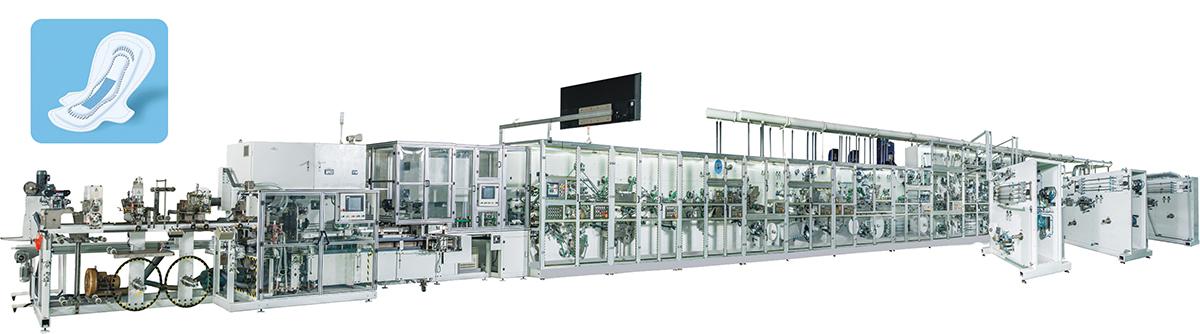
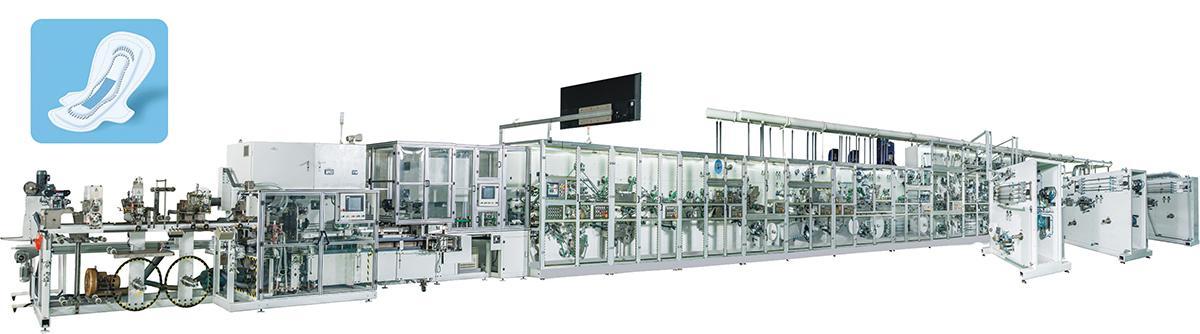
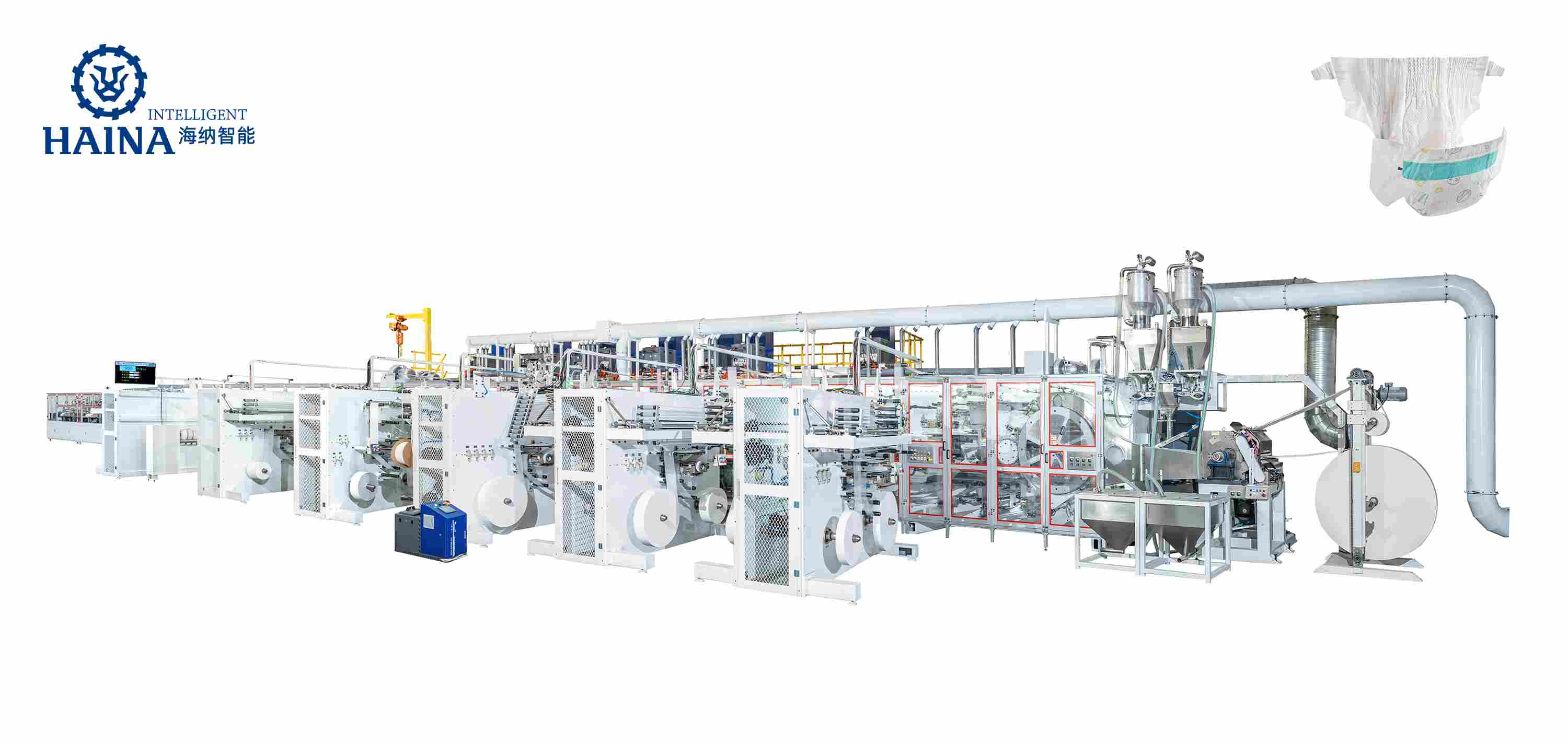
The automatic feminine sanitary napkin machine category can help frame a current-equipment comparison. HAINA can review an existing line's product requirement and proposed modernization or replacement scope, but the plant should provide measured condition, configuration, history, and sample evidence for a useful assessment.
Remaining-life decisions should combine equipment trends with representative conforming-product evidence.
Choose maintenance, rebuild, or replacement
Continue routine maintenance when the line remains safe, aligned, supported, capable of the required products, and stable under an affordable maintenance plan. Use targeted overhaul when defined wear systems can be renewed while the structure, process architecture, controls, and product scope remain suitable. Modernize controls when the functional baseline is known and migration risk is manageable.
Consider broader rebuild when several connected mechanisms, controls, guarding, inspection, or access provisions need coordinated work but the base geometry and product architecture remain valuable. The rebuild proposal should state scope, retained and replaced components, drawings, software, parts, test conditions, acceptance, training, and future support. Unknown condition must be treated as risk, not assumed good.
Replacement becomes more credible when structural or geometry risk is unresolved, future products do not fit the process architecture, safety or maintainability gaps require fundamental redesign, critical systems cannot be supported, or the verified rebuild scope approaches the risk of a new configured line. The decision should compare common boundaries: equipment, site work, downtime, materials, trials, training, spares, documents, support, and acceptance.
Avoid an ROI claim built on unverified speed, waste, efficiency, energy, uptime, or product-demand assumptions. Use scenarios and mark each value as measured current, supplier-quoted, FAT-tested, engineering-estimated, or unresolved. Conduct sensitivity checks around the uncertain inputs that can change the decision.
Build an asset-life evidence register
Create one register by station. Include condition, product effect, failure history, inspection method, criterion source, current control, spare status, software status, document status, skill coverage, planned work, verification evidence, owner, and due date. Rank entries by safety, quality, production consequence, and uncertainty. A high-uncertainty critical station deserves investigation before cost modeling.
Review the register at planned intervals and after major failure, product change, material change, control change, or safety finding. Close items only with evidence such as measurement, inspected part, corrected drawing, restored backup, successful function test, or representative product run. Record newly discovered limitations instead of preserving an outdated life estimate.
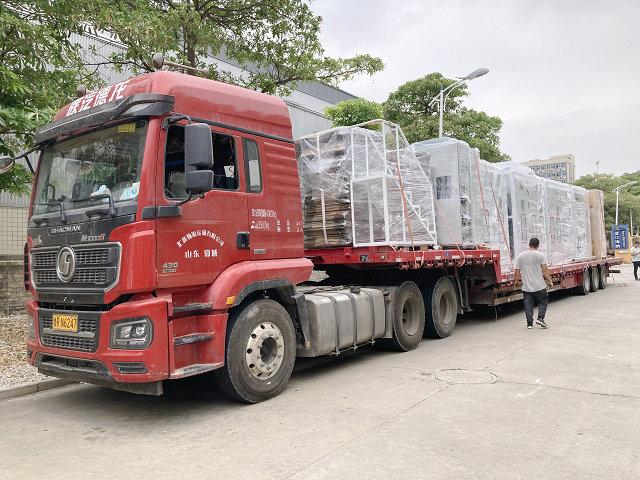
For acquisition of used equipment, require the same evidence plus ownership and modification history, storage condition, dismantling and transport records, available software and passwords, spare parts, and a plan for recommissioning. A visual inspection or a powered-on interface cannot prove stable, safe, or supportable production.
An asset-life register turns age into traceable condition, capability, support, and verification decisions.
Frequently Asked Questions
How many years should a sanitary pad machine last?
No universal year value is reliable without verified configuration, duty, condition, maintenance, environment, controls, support, and product requirements. Assess those factors directly.
Can controls be modernized while keeping the mechanical line?
Sometimes. First document the functional baseline, structure and mechanisms, interfaces, safety behavior, recipes, parts, validation scope, and rollback route.
What is the strongest sign that remaining life is declining?
A pattern across measured wear, repeated faults, increased adjustment, unavailable parts, quality drift, unsafe work, or unsupported controls is stronger than calendar age alone.
Should a buyer consider used sanitary pad equipment?
Only after a condition, configuration, support, software, safety, product-capability, and recommissioning audit with representative operating and sample evidence.
Conclusion
The typical lifespan of a sanitary pad machine cannot be reduced to an honest universal year count. A plant investor should judge physical condition, product capability, controls, safety, maintainability, parts, skills, and documentation against the future operating case. Build the asset-life register, inspect high-risk stations, and obtain representative production evidence before comparing maintenance, overhaul, modernization, rebuild, or replacement. Ask HAINA to review the defined product and project scope, then verify its recommendation against measured condition, identified software and parts, witnessed safety checks, conforming samples, and a common-boundary cost scenario before approving capital.