Efficient operation of an infant diaper production line depends on synchronizing material feeds, core formation, layered web conversion, closure application, cutting, folding, inspection, discharge, and packing around conforming released output. Begin with a verified product recipe and pre-start release, then increase the operating condition only while every zone remains stable. Track minor stops, accumulation, rejects, material events, quality holds, and manual intervention by process zone. Improve the current constraint instead of raising upstream speed and moving congestion downstream. After changes or faults, segregate output and verify relevant product characteristics. Use short-interval records to connect loss patterns with a named corrective action and follow-up run.
Map the infant diaper line by process zone
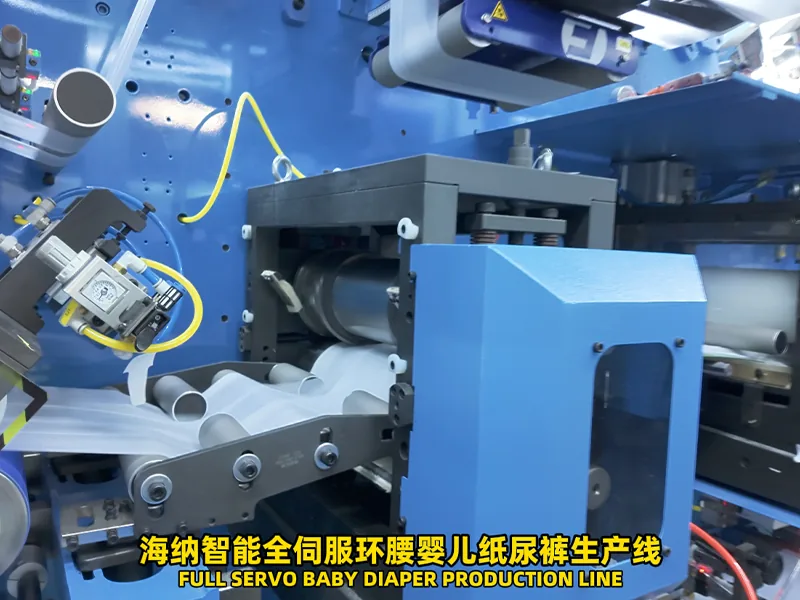
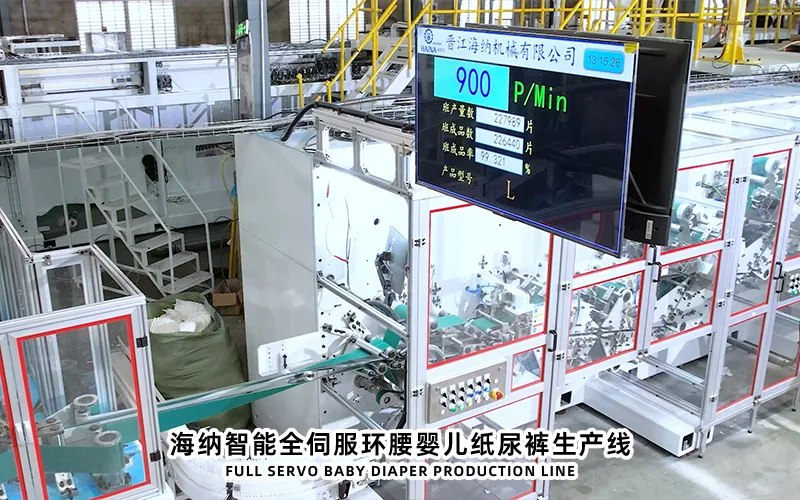
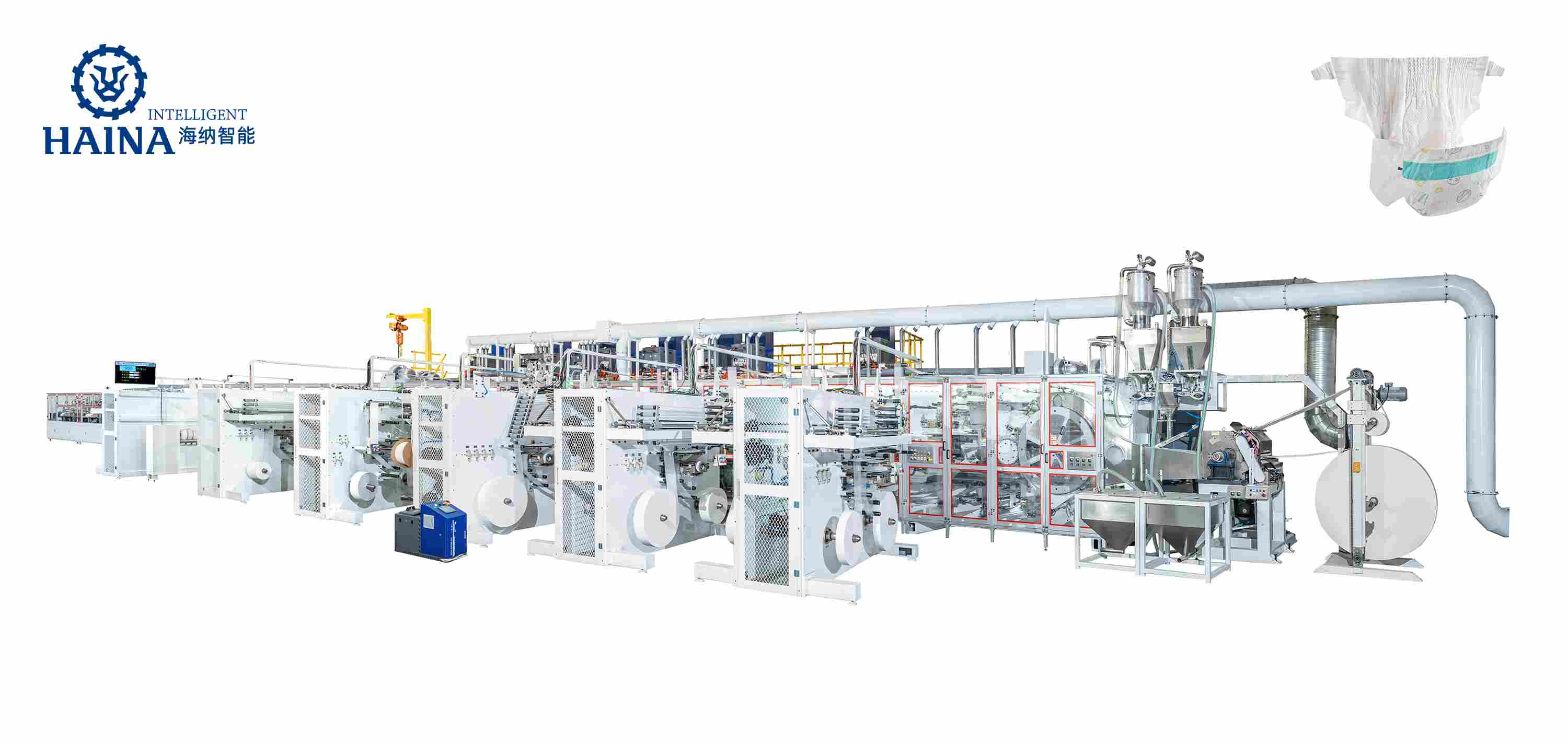
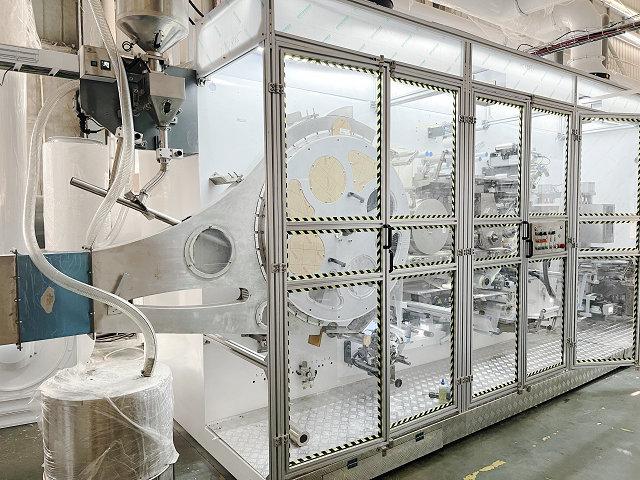
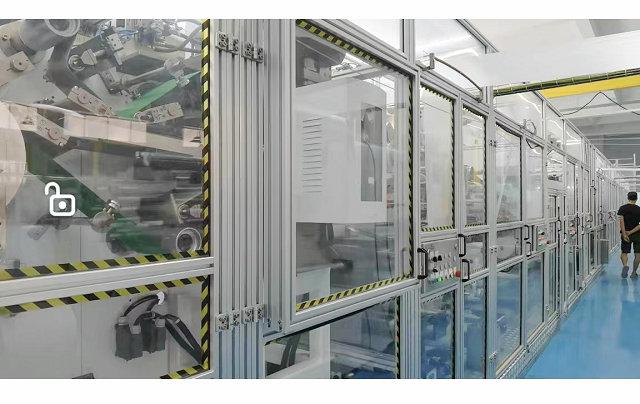
Divide the production line into zones that create or transfer product characteristics. A practical map may include absorbent input and core formation, core containment, topsheet and backsheet feeds, elastic and barrier application, tape and frontal component application, layered assembly, cutting and folding, inspection and rejection, discharge and counting, and packaging transfer. The exact zones must follow the installed configuration.
For each zone, identify its material inputs, approved settings, sensors, alarms, quality effects, normal intervention, safe isolation, reject or containment response, and downstream dependency. This map helps operators understand why an upstream disturbance can appear later as a placement, fold, count, or pack problem. It also creates consistent loss codes.
Define an owner for immediate observation and an escalation owner for each zone. The line operator may control routine monitoring, while quality, maintenance, material, or engineering personnel own defined decisions. Avoid a structure in which every abnormality waits for the production manager or, at the opposite extreme, any operator can change protected settings.
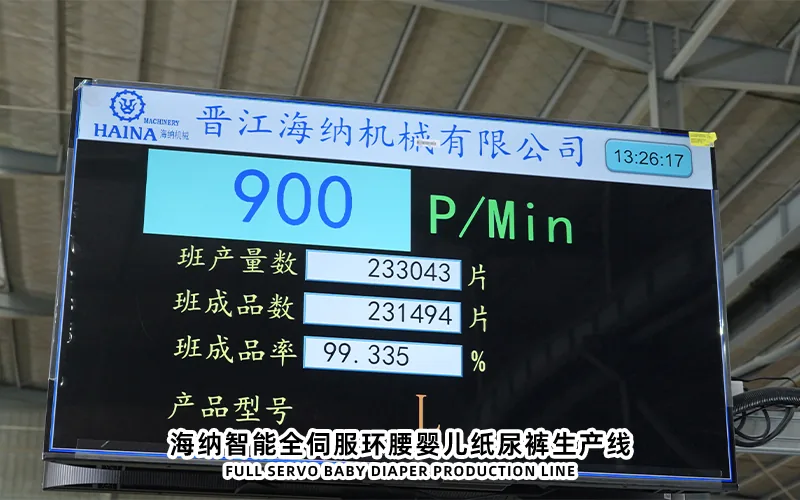
Set the operating objective as accepted product at the line boundary. Intermediate counters can support diagnosis but should not be summed as finished output. Product rejected by inspection, held for review, sampled, lost during a transfer, or blocked before packing must remain visible in the reconciliation.
Zone mapping connects local process behavior to downstream product quality and released output.
Controlled infant diaper production line release
Start each order from a controlled production package. Verify infant diaper size, drawing, bill of materials, recipe, material lots, change parts, inspection methods, pack format, planned quantity, and approved deviations. Confirm utilities, extraction, guards, safety functions, roll handling, laboratory tools, waste routes, and downstream readiness through the factory procedure.
Line clearance should remove the previous product, materials, labels, samples, waste, tools, and temporary maintenance items. At each feed, match material identity, width, winding direction, core and roll suitability, splice, condition, and route. Independently confirm critical physical parts against the recipe. A valid control recipe cannot correct a wrong cutter, guide, tape roll, or packing format.
Thread and jog under the approved safe method, observing each zone in process order. Collect and segregate startup output. Check the product characteristics required by the release plan, including dimensions, core condition, elastic and barrier placement, tapes and frontal component, bonds, cutting, folding, appearance, and count as applicable. Record adjustments and identify the first accepted output.
Zone release board
Core zone: correct inputs, formation, containment, extraction, and sample geometry.
Web zone: correct rolls, tracking, tension, splice state, and layered alignment.
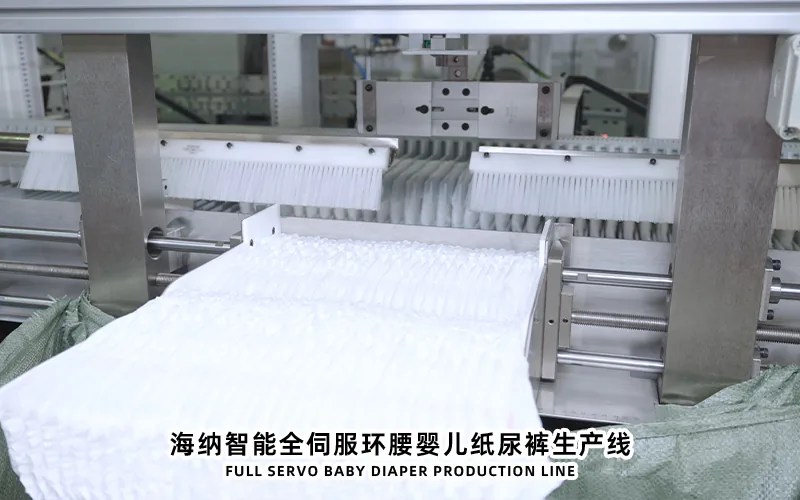
Packing interface: orientation, spacing, accumulation, signals, identity, and flow.
Quality release: current methods, consecutive accepted samples, first-good reference, and authorizer.
Do not increase the operating condition until all required zones and product checks are released. Record time and material from initial feed to first acceptable product. When startup is slow, identify which zone and characteristic delayed approval rather than describing the whole line as difficult to start.
Balance flow around the current constraint
A production constraint is the zone currently limiting released output under the defined product, material, quality, staffing, and downstream conditions. It can move during the shift. Core formation may be stable while a tape feed creates frequent stops; later, packing accumulation may become the limit. Find the current constraint from evidence before changing speed.
Observe starvation, blocking, accumulation, repeated deceleration, manual clearing, alarm sequences, held output, and quality checks by zone. Compare event frequency and duration with accepted output. A zone can constrain the line through many short stops even when it never produces the longest individual downtime.
Protect the constraint from avoidable interruption. Stage its materials, prepare roll changes, complete maintenance, confirm quality methods, and ensure trained response. Do not produce excess upstream work that cannot be transferred safely or traced. Accumulation should remain within the designed process behavior; it is not a substitute for correcting mismatch.
Keep speed definitions separate. Design speed describes an engineering condition, stable working speed a demonstrated sustained condition, normal operating speed the plant's selected daily condition, and contractual acceptance value an agreed test. Efficient balancing seeks stable conforming flow, not equality with a catalog maximum.
Untraceable product or damage builds between systems
The active constraint must be identified from flow, stop, quality, and accumulation evidence under the current order.
Control quality at the creating zone
Link each defect to the earliest zone that can create it. Core distribution belongs to forming and containment. Placement errors may originate in tracking, reference detection, component feed, or transfer. Cut defects begin at tooling or timing. Fold and count problems can arise from finishing or upstream shape. Recording only the final visible symptom delays correction.
Use a defect reaction plan with the characteristic, detection method, last known acceptable check, containment boundary, responsible decision maker, diagnostic evidence, authorized adjustment, resampling, and release rule. The line's inspection system can support detection and segregation only for the features it is configured to cover. Offline quality checks remain necessary for other characteristics.
Change one controlled factor where possible and label samples before and after. Record the recipe, previous and new setting, material lot, time, operator, defect result, and related zone behavior. If the correction does not work, restore the baseline. A succession of undocumented adjustments makes later analysis unreliable.
After maintenance, material break, splice, blockage, or control intervention, hold output until affected characteristics pass. The containment length depends on product tracking, failure mechanism, detection coverage, and the factory rule. Identify the first accepted product after restart and reconcile rejected or held material.
Manage minor stops and accumulation
Minor stops often carry more information than total downtime. Define a recording threshold and automated or operator method that preserves station, timestamp, duration, alarm, product, material, and recovery. Grouping every short event as micro-stop without a zone or cause removes its decision value.
Review event sequences, not isolated alarm counts. The first alarm may identify a feed loss; later alarms may reflect normal line deceleration. Repeated reset can create a cycle of unstable output and hidden rejects. Require operators to escalate after a defined recurrence pattern and preserve a sample or material segment where useful.
Accumulation protects flow only within its designed range and tracking logic. Verify how product identity, count, orientation, rejection, and restart are maintained through accumulation. A blocked downstream system may require controlled line stop and segregation. Never push product manually through an unsafe or unapproved route to preserve output.
The automatic baby diaper manufacturing machine category provides the appropriate equipment context. HAINA can review zone interfaces, alarm evidence, FAT tests, and process requirements when the plant supplies the actual configuration, product, material, and event sequence.
Minor-stop diagnosis begins with the first event, affected zone, material state, and product released after recovery.
Run short-interval production control
Divide the shift into consistent review intervals suited to the factory. For each interval, record scheduled product, accepted output, held and rejected quantity, active constraint, top stop event, material change, quality issue, maintenance intervention, and open action. The purpose is to detect change early, not to create another report after the shift.
At each review, ask four questions: Is the product released? Is every zone stable? What currently limits accepted flow? What one action is authorized before the next review? Assign an owner and expected evidence. If no safe correction is known, contain the risk and escalate rather than experimenting broadly.
Use the board for coordination. Material handlers see upcoming roll risk, maintenance sees recurrence, quality sees due samples and holds, packing sees interface constraints, and management sees whether the same issue survives several intervals. Carry unresolved actions into shift handover with their current containment and next check.
Avoid judging people from one interval without context. The data should distinguish planned work, material quality, technical faults, product change, downstream constraints, and decision waiting. Misused metrics encourage hidden holds, weak loss coding, or operation beyond a stable window.
Verify improvement across shifts
Choose one recurring, evidence-rich loss. Confirm its baseline by zone, product, material, frequency, duration, quality effect, and recovery method. State a cause hypothesis and the controlled change. Define what must remain unaffected, such as component position, core condition, bond, cut, fold, reject performance, or safe access.
Run the change on representative production, then compare accepted output, event recurrence, rejected and held product, samples, settings, and adjacent-zone behavior. A local improvement is not complete if it increases downstream congestion, inspection rejection, material use, or manual intervention. Repeat across enough normal operation to show that the result is not a temporary favorable event.
After approval, update the recipe, operating standard, maintenance task, material specification, training, or interface document affected by the change. Communicate the revision and remove superseded instructions. Continue monitoring through shift records and reopen the action if the pattern returns.
An improvement must survive representative operation without transferring loss or weakening product release.
Frequently Asked Questions
What is the constraint on an infant diaper line?
It is the zone currently limiting conforming released flow under the actual product, materials, quality, staffing, equipment condition, and downstream state.
Why track minor stops separately?
Frequent brief events can reveal unstable feed, reference, transfer, inspection, or packing conditions even when no single event dominates downtime.
Can inspection thresholds be relaxed to improve efficiency?
Only through authorized technical and quality change control with product risk review and validation. Hiding defects is not an efficiency improvement.
How is a zone improvement verified?
Compare representative accepted output, recurrence, stops, rejects, holds, samples, material use, interventions, and adjacent-zone behavior against the baseline.
Conclusion
Efficient operation of an infant diaper production line comes from synchronized zones, controlled release, constraint awareness, defect ownership, minor-stop evidence, and short-interval action. The production manager should map the actual line, then observe one complete shift to identify where accepted flow is first limited. Ask HAINA to review the relevant configuration and interface evidence, choose one recurring loss, and run a controlled improvement trial. Standardize the change only after labeled product samples, released-output reconciliation, stop records, reject checks, and cross-shift observation show that the constraint improved without moving risk downstream.