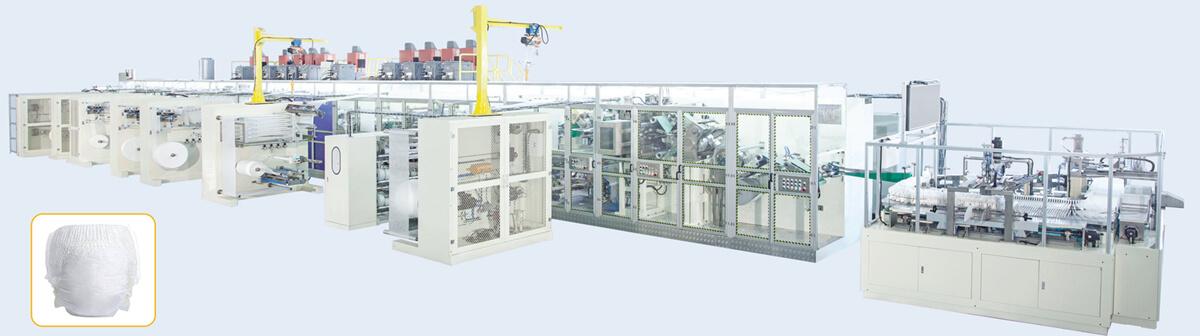
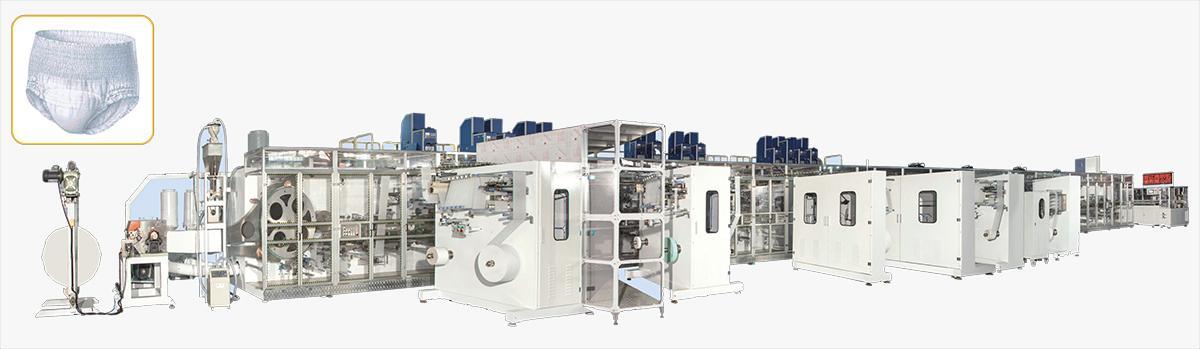
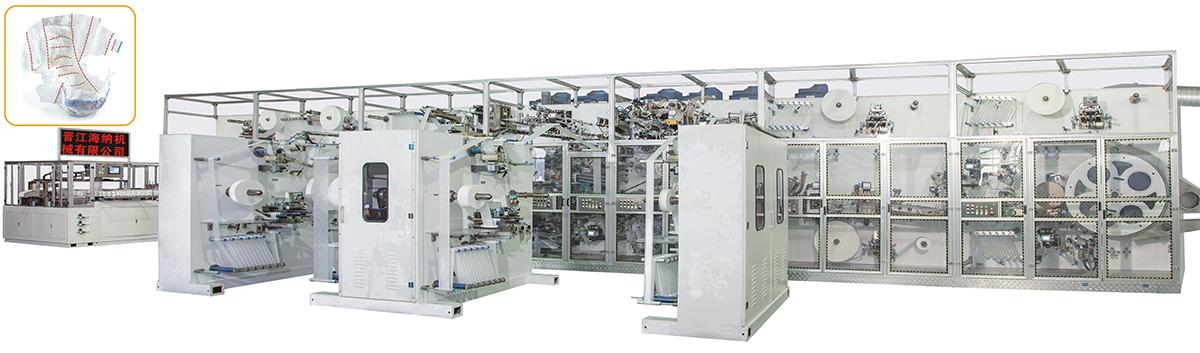
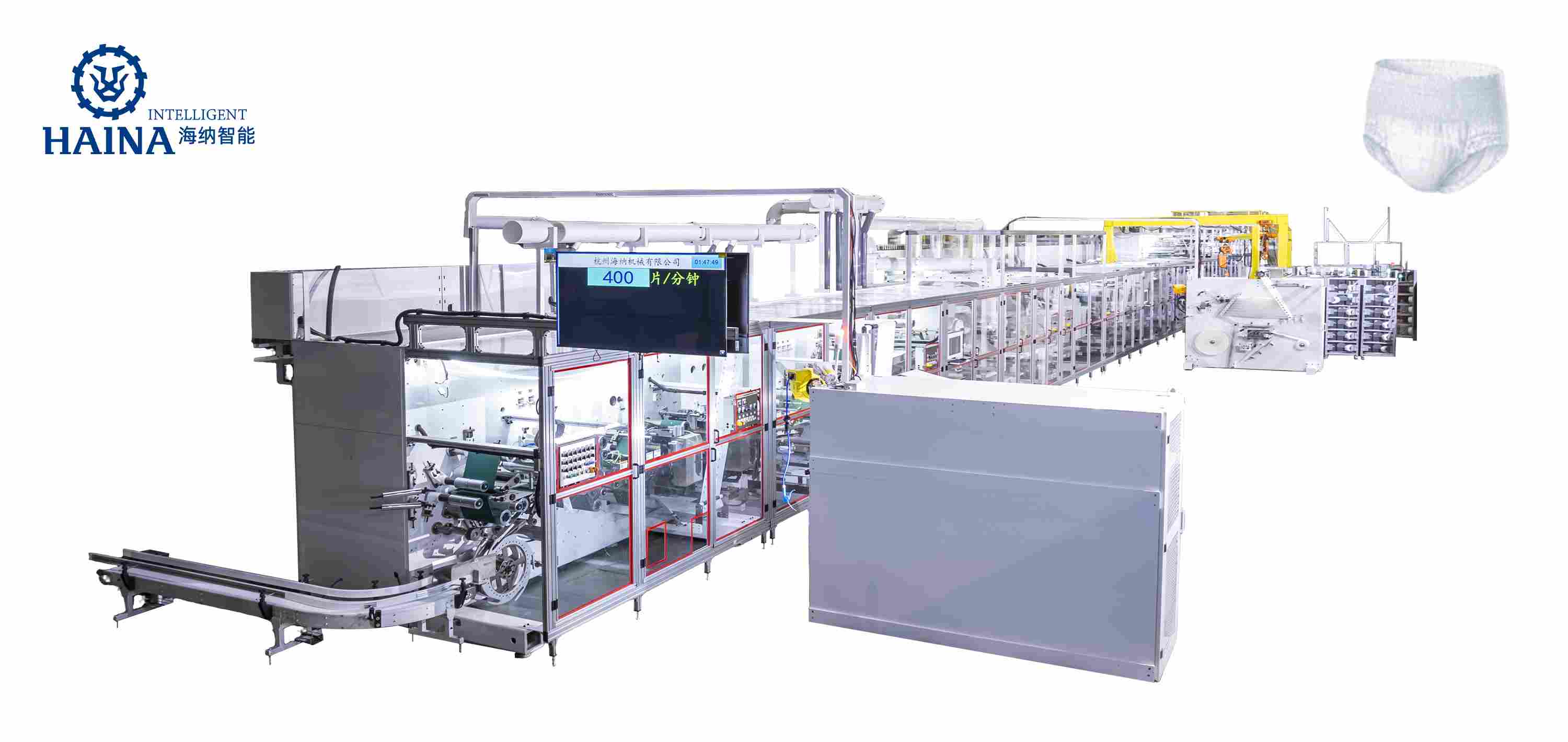
Product knowledge for an infant diaper production line should tell engineers exactly what the factory intends to make, which material properties matter, how each process station changes or protects the product, and what evidence will release the result. It should cover SKU drawings, bills of materials, material specifications, process maps, critical settings, utilities, inspection limits, change parts, packing, maintenance, and traceability. A project engineer uses this knowledge to prevent scope gaps and unsupported assumptions during quotation, design, FAT, and startup. The infant diaper production line is technically suitable only when representative materials and defined tests demonstrate the required products within an agreed operating and acceptance boundary.
Create the Product Definition Pack
The definition pack starts with one controlled drawing or specification for each intended SKU. Identify finished length and width, product shape, core geometry, component positions, layer arrangement, elastic and closure configuration, application zones, cut and fold condition, package count, labeling, and approved quality characteristics. Include tolerances and test methods where established. Mark development items and the person responsible for resolving them.
A bill of materials should tie each component to a specification, not simply a generic noun. Material references may need width, roll interface, winding direction, relevant physical properties, surface behavior, storage, lot identification, and acceptance tests. The exact fields differ by function. The factory should avoid inventing broad numeric limits and instead obtain approved design and supplier information.
Create a similarity matrix across SKUs. Show which products share materials, machine paths, format parts, recipes, test methods, and pack interfaces. Highlight unique requirements. This helps the project engineer select a demanding FAT set that covers the range without pretending that one easy SKU proves every feature.
A product definition pack gives the supplier a stable basis for configuration and testing.
Qualify Materials for Machine Use
Material qualification has two dimensions: product suitability and machine processability. A material may pass a standalone laboratory check but unwind poorly, drift, wrinkle, shed, block an applicator, resist attachment, or vary through a roll. Conversely, stable running does not prove that the finished diaper meets its product requirement. Plan evidence for both.
Inspect roll condition, core fit, winding, edge quality, splice construction, protection, labeling, and traceability. Review the material properties most likely to affect feeding, tension, forming, application, cutting, folding, and packaging. Use production-intent lots for meaningful trials. Where a substitute is unavoidable, document the differences and limitations and schedule confirmation with approved material.
During trials, sample across the roll and process phases. Include startup, steady running, splice where practical, stop and restart, and roll-end behavior. Record material lot, roll identity, storage and conditioning status if relevant, recipe, settings changed, alarms, stops, and product results. This creates knowledge that supports future purchasing and fault diagnosis.
Knowledge item
Owner question
Required evidence
Risk if missing
SKU drawing
What finished product is approved?
Revision, dimensions, features, and methods
Machine scope changes during trials
Material specification
What input properties and roll interfaces matter?
Approved reference and incoming checks
Unexplained web or product variation
Process map
Which station creates each feature?
Inputs, controls, outputs, and failure effects
Wrong cause assigned to a defect
Recipe and format
What changes between products?
Controlled values, parts, sequence, and release
Unrepeatable setup
Acceptance plan
How will suitability be demonstrated?
Materials, conditions, samples, limits, records
Capability claim without proof
Trace the Infant Diaper Production Line Process
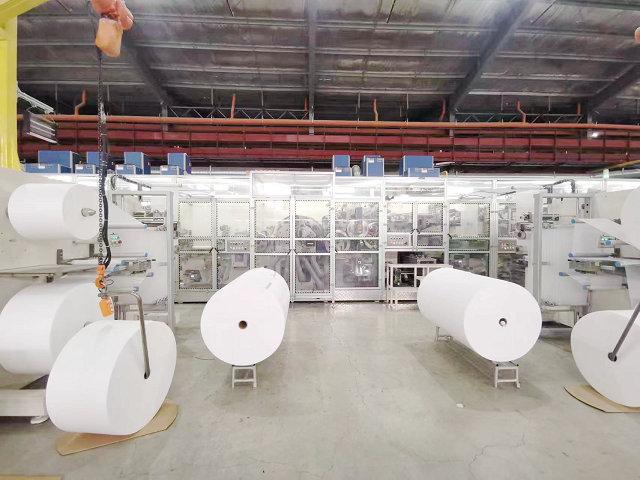
Trace every material from issue to finished pack. Typical functions may include roll loading, unwinding, web guiding and tension, absorbent input preparation, core formation and placement, layer assembly, adhesive application, elastic and closure handling, component cutting and placement, product cutting, folding, inspection, rejection, counting, and packing transfer. Confirm the offered sequence because construction and configuration vary.
At each function, document material input, utility, fixed mechanical reference, approved adjustable settings, sensors, alarms, maintenance needs, output, and downstream dependency. Ask what a failure would look like in the product and whether the line can detect it. A fault-effect map helps quality and maintenance teams narrow causes without uncontrolled setting changes.
The process trace connects inputs and settings to product signals at every station.
Include utilities and environment in the map. Electrical supply, compressed air, vacuum or extraction where required, adhesive conditions, temperature, humidity, network, and packing interfaces can influence performance. The factory should measure site capability and define reactions to instability. Replacing machine components will not correct an external utility cause.
Define Recipes, Formats, and Change Control
A recipe is a controlled set of product-dependent values, while a format includes physical parts and mechanical references needed to make the SKU. Document which parameters load automatically, which need verification, which adjustments are permitted to operators, and which require maintenance or engineering authority. Protect released recipes with revision and access control.
The changeover instruction should list outgoing material reconciliation, line clearance, cleaning, removed parts, installed parts, fastening, references, threading, recipe selection, utility preparation, startup samples, product tests, and release. Use photographs or diagrams where they represent the actual revision. Account for all change parts and protect them in identified storage.
Changes to product, material, station geometry, control values, software, sensor positions, inspection logic, or supplier parts need a review proportional to risk. Record reason, current state, proposed state, affected SKUs, safety and product effects, test method, approval, rollback, and document updates. Temporary settings need an expiry and responsible owner.
Plan Quality, Inspection, and Traceability
Quality planning should specify incoming checks, setup approval, in-process monitoring, finished-product sampling, pack checks, reaction limits, isolation boundaries, and release authority. Link each characteristic to an approved method. Where automated inspection is offered, define its detectable condition, location, limitation, alarm behavior, reject action, and challenge procedure.
Inspection evidence should connect the machine event, material lot, sample, and product disposition.
Traceability should allow the factory to relate packed output to production order, SKU and revision, material lots, recipe, line, shift, relevant checks, and deviations. The granularity should match product risk and local obligations. Test traceability in both directions: select a pack and find its inputs, then select a material lot and find affected output.
Reaction plans must define the product boundary after a failure. Use the last acceptable check, event time, machine state, detection capability, material movement, and downstream accumulation to identify potentially affected output. Quarantine first, investigate with evidence, and document disposition. Do not narrow the boundary merely to reduce loss.
Prove Factory and Supplier Responsibilities
The supplier should describe the offered equipment configuration, functions, interfaces, requirements, limitations, documents, FAT method, installation boundary, training, and support escalation. The buyer should provide approved products, materials, site conditions, utilities, local safety and compliance requirements, test methods, staffing, and packing scope. Put every shared interface in a responsibility matrix.
At design review, walk one demanding SKU through the drawings and station descriptions. At FAT, use identified representative materials and a signed protocol. Record machine revision, product, materials, settings, conditions, stops, samples, results, and deviations. At site, recheck conditions affected by shipping, installation, utilities, local materials, and connected packing.
HAINA can review the product pack against an offered automatic infant diaper production configuration and identify where machine evidence is available or a buyer decision remains. This review should not replace the buyer's approval of product specifications, claims, test methods, and local factory obligations.
Product Knowledge Qualification Workflow
1. Define: Freeze the launch SKU drawings, material references, pack formats, critical characteristics, and preliminary items.
2. Map: Trace each feature to materials, process functions, utilities, settings, inspections, and failure effects.
3. Configure: Reconcile the offered machine, options, format parts, recipes, site interfaces, and scope deviations.
4. Verify: Use document review, build inspection, function challenges, representative material trials, and approved product tests.
5. Transfer: Issue final setup, quality, maintenance, material, spare, and training documents to named factory roles.
6. Control change: Requalify affected knowledge whenever the product, material, machine, software, test, or pack changes.
Qualification closes the loop from intended SKU through machine evidence and factory ownership.
Assign a revision owner to the resulting knowledge pack and a review trigger after startup. Repeat faults, material substitutions, new SKUs, maintenance changes, quality trend shifts, and controls upgrades should feed back into the map. Outdated technical knowledge can be more dangerous than missing documentation because teams may trust it without checking.
Before closing the project, sample the pack from three directions. Choose a product feature and trace it back to material, station, setting, and test. Choose a machine alarm and trace it forward to operator action, affected output, and escalation. Choose a purchased material and trace its specification, incoming result, lot use, and finished packs. Any broken path identifies a document, system, or ownership gap that should be resolved before the commissioning records are archived.
Also distinguish supplier technical data from factory-controlled operating knowledge. Supplier drawings and manuals describe the delivered equipment; the factory adds approved recipes, material experience, sampling rules, maintenance findings, and local responsibilities. Keep both sources revision-controlled and linked without editing an original supplier document into an untraceable shop copy.
Frequently Asked Questions
Which product documents are essential for machine selection?
Use controlled SKU drawings, layer and material specifications, critical characteristics and test methods, format range, pack requirements, representative sample or material information, and a list of unresolved development choices.
Can one FAT product prove the full size range?
Only if a documented engineering rationale shows that it covers every relevant function and extreme. Usually, select products that challenge size, construction, material path, format parts, inspection, and pack interfaces, then state what remains for site verification.
Who owns the product recipe after acceptance?
Ownership and access should be defined contractually and in factory procedures. The buyer should control released production recipes, while the supplier identifies protected engineering boundaries, backup needs, and conditions requiring technical review.
What happens when a raw material changes?
Compare the new specification and process-relevant properties, assess affected stations and product features, run approved trials, update incoming and setup controls, document results, and release the change before routine use.
Conclusion
Product knowledge for an infant diaper production line is a controlled link among SKU design, materials, process functions, recipes, tests, traceability, and responsibilities. The practical project action is to compile one qualification pack for the most demanding launch product and mark every missing specification, unverified material, unsupported machine function, or unassigned test. Before acceptance, have the supplier demonstrate the agreed evidence with representative inputs, then transfer the final revisions to product, procurement, production, quality, and maintenance owners so knowledge remains usable after the commissioning team leaves.