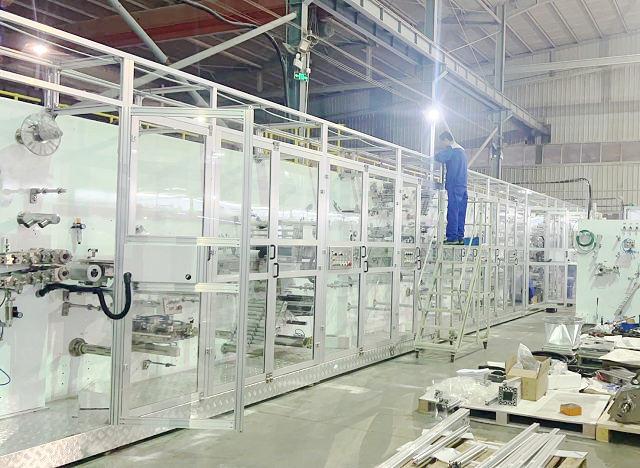
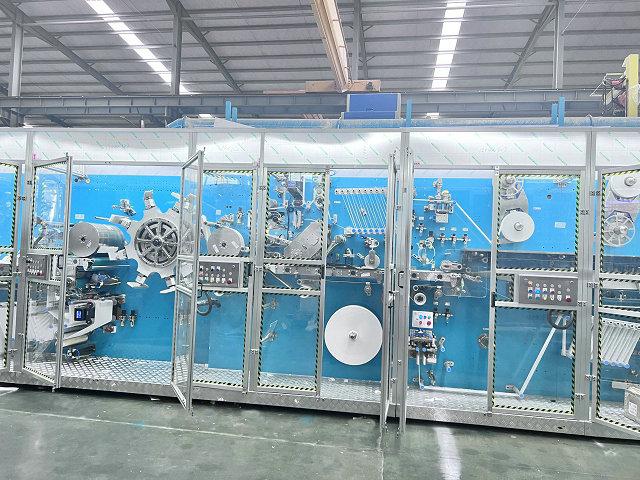
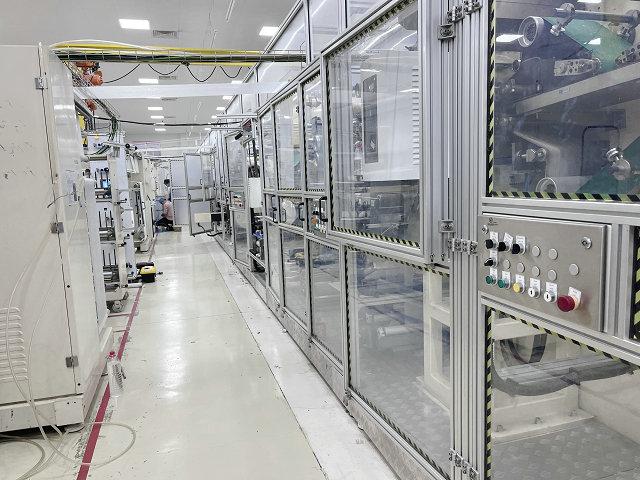
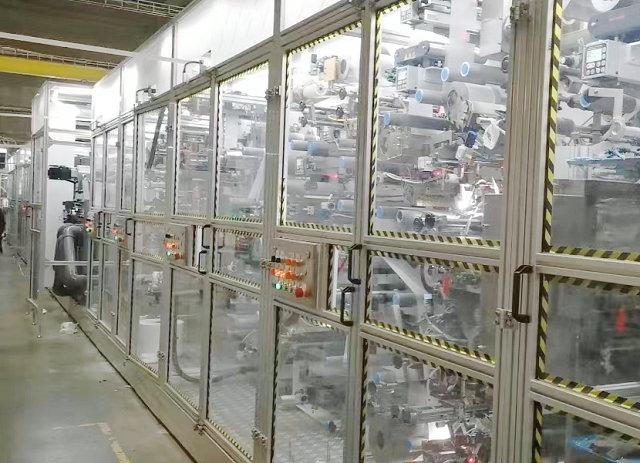
Effective maintenance for a diaper production line begins with safe isolation, clean inspection points, and tasks scheduled by risk rather than habit. Operators should record web tracking, adhesive behavior, vacuum condition, cutter quality, temperature stability, alarms, and abnormal noise every shift. Maintenance staff then use those observations to plan cleaning, lubrication, alignment checks, wear measurements, and controlled replacement. Critical spares must match the installed component list, while every intervention needs a restart check and product-quality confirmation. This approach reduces repeat failures without relying on unverified service intervals or replacing parts only after breakdown.
Maintenance Priorities for a Diaper Production Line
A maintenance supervisor should protect three things at the same time: people, equipment condition, and the diaper specification. That means the first priority is energy isolation and access control, followed by removal of contamination that hides wear. The next priorities are material-path stability, accurate bonding and cutting, and reliable detection. A clean machine that cannot hold web position or adhesive temperature is not ready for production, while a mechanically sound machine with defeated guards is not maintainable work.
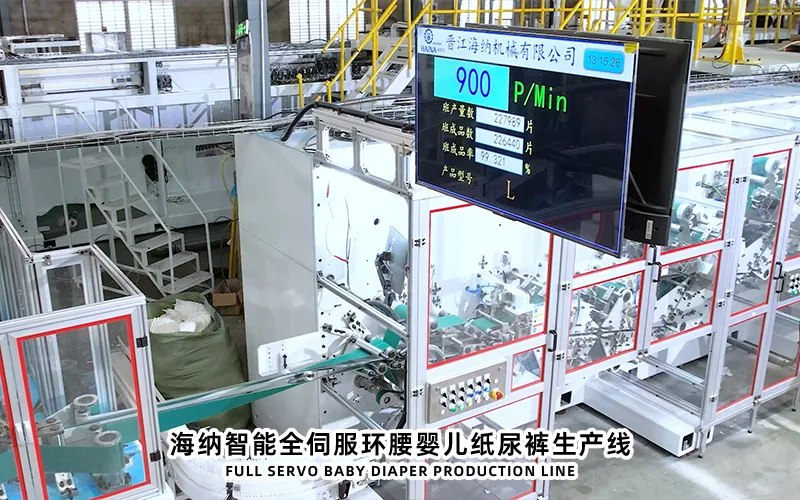
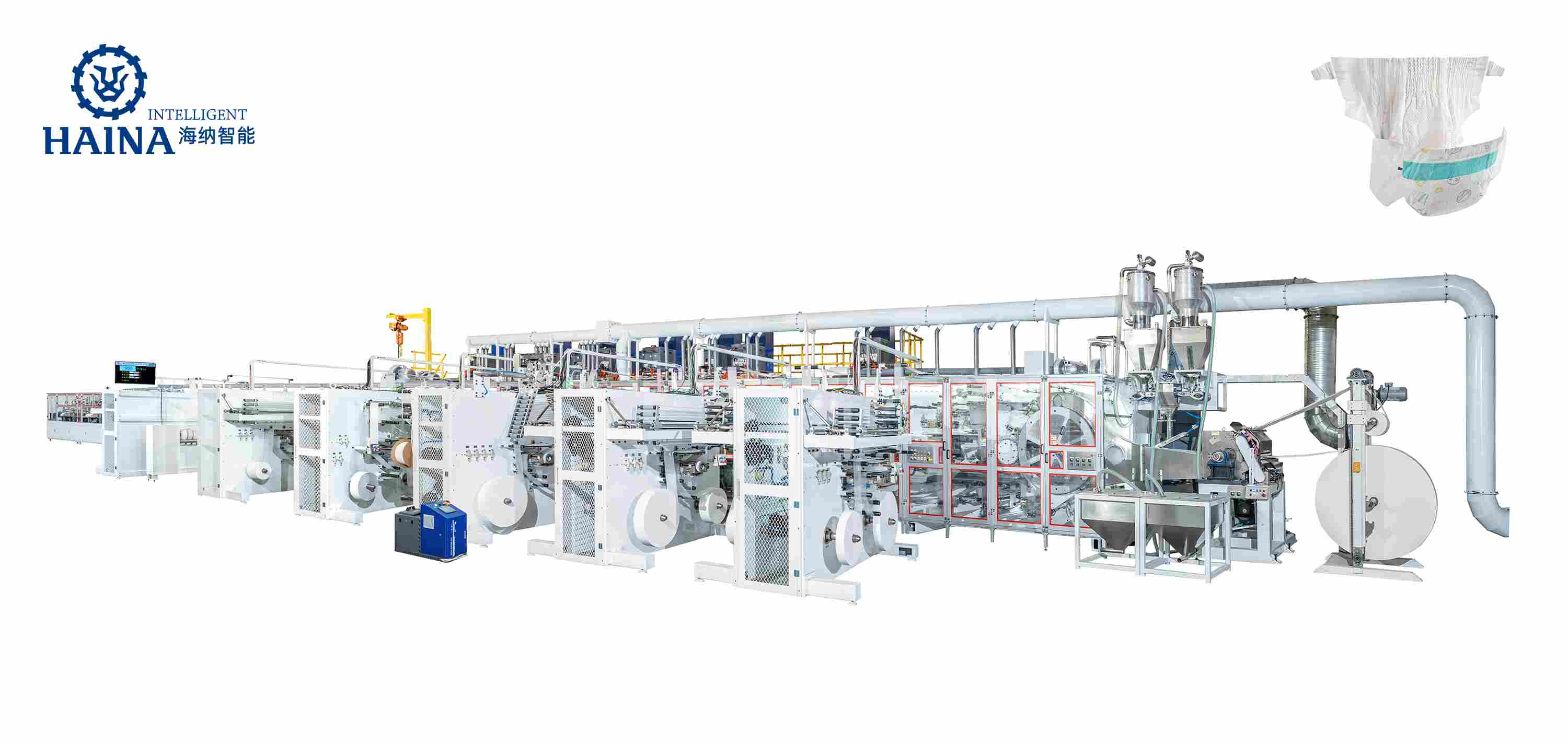
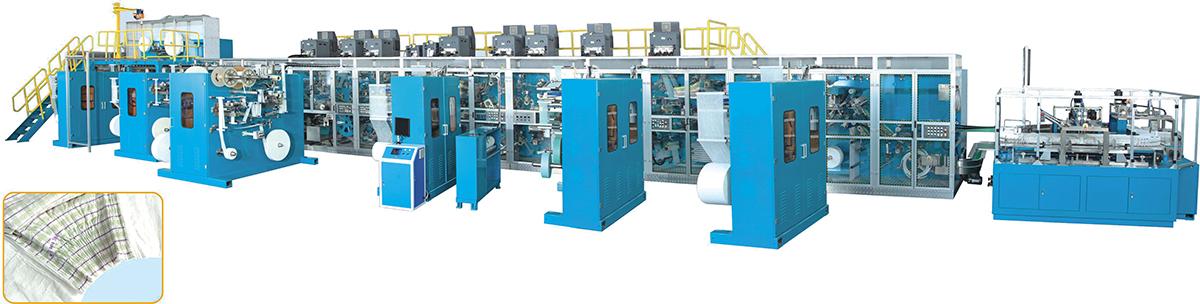
Divide the line into functional zones: raw-material unwinding, core formation and transfer, topsheet and backsheet handling, elastic and tape application, bonding, cutting and shaping, product transfer, inspection, and discharge. For each zone, define the condition to observe, the acceptable reference, who owns the check, and what evidence closes the task. HAINA can support a requirement review against the supplied machine documentation and installed configuration; the factory still needs to approve its own safe-work method and product acceptance limits.
Zone-based maintenance makes ownership and inspection evidence easier to define.
Make Every Inspection Safe and Repeatable
Start with a written isolation boundary. Identify electrical, pneumatic, thermal, vacuum, gravitational, and stored mechanical energy that can remain after a normal stop. The person performing work should verify the zero-energy state using the factory procedure, not assume that an emergency stop removes every hazard. Where observation requires movement, create a separate controlled diagnostic method with authorized personnel, restricted access, suitable speed or jog mode, and a clear stop condition.
Inspection quality depends on access and consistency. Mark observation points for bearings, belts, rollers, guides, sensors, glue nozzles, vacuum passages, cutters, anvil surfaces, and guarding hardware. Use suitable lights and clean tools so the technician can distinguish adhesive deposits from damage. A photograph can document a changing wear pattern, but it should be paired with location, date, product format, material lot, machine state, and the measured or observed condition. Never reach through guarding or clean a moving web path simply to keep production running.
Build Intervals Around Condition and Consequence
Generic daily, weekly, and monthly labels are useful only when the task content is defined. Begin with the equipment manual, component instructions, duty cycle, environment, material behavior, and failure history. A dusty core-forming area may need attention based on differential condition or observed buildup, while a guarded transmission may be checked through noise, temperature, vibration, belt condition, and planned access. Do not shorten an interval to create activity; shorten it when evidence shows that degradation can escape before the next inspection.
Maintenance layer
Typical evidence
Planning trigger
Release requirement
Shift observation
Alarm, noise, tracking, temperature trend, visible contamination
Deviation from the approved running reference
Operator log and escalation decision
Planned clean and inspect
Deposits, looseness, damage, blocked vacuum path
Calendar, runtime, product change, or condition
Clean zone and completed check sheet
Measured condition task
Wear, tension, alignment, temperature, vibration
Trend reaches an engineering review threshold
Measurement within the factory reference
Planned replacement
Life history and inspection result
Known risk window or confirmed deterioration
Correct part, installation record, and test
Shutdown overhaul
Multi-zone condition report
Coordinated access and production plan
Signed restart and product acceptance
Review intervals after repeated faults, material changes, control modifications, extended stops, and major repairs. Also review tasks that never find a meaningful condition: the method may be weak, the interval may be wrong, or the component may be better managed through planned replacement. The maintenance plan should evolve from traceable evidence, not from memory.
Use a short interval review whenever a task discovers deterioration. Compare the last acceptable observation, current finding, elapsed runtime, intervening product formats, cleaning history, and production symptoms. Decide whether the inspection method could have detected the change sooner and whether another related component needs examination. This evidence supports a defensible adjustment without assigning the same conservative interval to unrelated equipment. Record the revised trigger, review date, and person responsible for confirming that the new frequency actually controls the identified risk.
Check Process Condition Before Replacing Parts
Many apparent component failures begin at a process interface. Poor web tracking can come from roll loading, tension reference, roller contamination, guide alignment, splice quality, or a sensor condition. Weak bonding can reflect material surface behavior, adhesive delivery, nozzle cleanliness, temperature stability, compression, timing, or dwell conditions. An irregular cut can involve blade condition, anvil condition, pressure, phase, product thickness, contamination, or looseness. Replacing the most visible component without checking the chain often produces a short recovery followed by the same stop.
Use a diagnostic sequence: define the defect in product terms, identify where it first appears, compare left and right or before and after states, review alarms and recent changes, inspect upstream causes, then alter one controlled variable at a time. Preserve suspect samples and settings when the defect is intermittent. Maintenance staff should work with quality and production so mechanical condition is not judged only by whether the line moves.
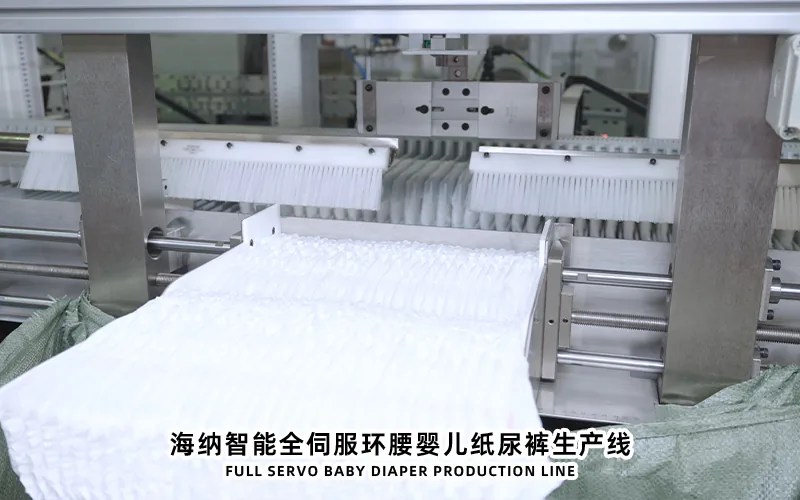
Web-path observations should connect equipment condition to the first visible product defect.
Lubrication deserves the same discipline. Use the specified lubricant, quantity, point, and contamination controls from applicable documentation. More lubricant is not automatically better, particularly near absorbent materials, nonwovens, and bonding surfaces. Label dispensing equipment, prevent cross-use, wipe excess, and document the task. If leakage repeatedly contaminates the process, investigate sealing, fill practice, venting, and component condition instead of treating cleanup as the permanent solution.
Control Spares and Repair Materials
A useful spare-parts plan starts with the installed bill of materials and criticality. Confirm manufacturer, model, electrical rating, mechanical dimensions, firmware or configuration needs, and any matched assemblies. Separate consumable wear parts from failure spares and long-lead strategic items. Storage must protect precision surfaces, elastomers, electronics, adhesives, and lubricants from contamination, moisture, heat, deformation, and untracked shelf aging. A label that says "sensor" is not enough when several outputs and connectors exist on the line.
Set minimum and review levels from actual consumption, failure consequence, replenishment uncertainty, repair possibility, and commonality across equipment. Record where a part was installed and why. If the same spare is repeatedly consumed, open a cause review for alignment, loading, contamination, environment, setup, or handling. Buyers comparing baby diaper manufacturing equipment should request an installed-component register and a recommended spare list, then reconcile both before purchase and again before shipment.
An installed-component register helps the factory identify compatible failure spares.
Turn Records Into Useful Shift Handover
A closed work order should state the symptom, product and material context, confirmed cause or current hypothesis, isolation used, work completed, parts and settings changed, measurements, test result, and follow-up owner. Avoid entries such as "fixed" or "adjusted" because they do not support later diagnosis. Link quality samples, alarm history, and photographs when available. For recurring faults, use a consistent fault code without forcing unlike events into the same category.
Shift handover should identify equipment left unavailable, temporary controls, observations that are trending, planned access, removed guarding, quarantined product, and the exact restart authority. Production, maintenance, and quality should agree whether the machine is released for setup, trial production, or normal production. Those are different states. A short face-to-face review at the line is often more reliable than a long log that nobody interprets.
Use a Controlled Recovery Workflow
After maintenance, inspect the zone before energization. Confirm correct assembly, fastener control, tool and part accountability, guard and interlock restoration, sensor position, utility readiness, and removal of isolation by authorized people. Run the approved low-risk functional checks first. Observe rotation, tracking, temperature, vacuum, adhesive delivery, detection, and reject functions as applicable before feeding saleable material.
Then produce a defined trial under documented settings. Quality staff should assess relevant diaper attributes such as dimensions, component placement, bond integrity, elastic position, cut quality, appearance, contamination, and package readiness against the factory specification. Keep material consumed during setup or diagnosis segregated. Only release normal operation after the acceptance evidence is complete, and schedule a follow-up check where the repair can settle, loosen, heat, or drift.
Recovery is complete only after equipment function and product conformity are both verified.
Frequently Asked Questions
How often should the line be stopped for maintenance?
There is no responsible universal interval. Use manufacturer instructions, component requirements, runtime, environment, material deposits, measured trends, and fault history. Define shift observations and planned access separately, then revise intervals when evidence shows deterioration is escaping or unnecessary work is being performed.
Which conditions should operators report immediately?
They should escalate safety-device faults, unusual noise or heat, unstable tracking, repeated alarms, adhesive leakage, damaged guards, abnormal vibration, burning odor, deteriorating cut or bond quality, and any temporary adjustment that cannot hold the approved process reference.
Can maintenance judge success from machine running alone?
No. A line can run while creating misplaced components, weak bonds, contamination, or ineffective rejects. A restart requires machine checks plus inspection of product characteristics affected by the work, with the result recorded and approved by the responsible functions.
What should be requested from the equipment supplier?
Request maintenance manuals, lubrication information, drawings appropriate to the scope, an installed-component list, spare recommendations, alarm guidance, safe access instructions, training coverage, and FAT evidence. Verify that delivered documents match the final installed configuration.
Conclusion
A reliable diaper production line maintenance system connects safe access, condition evidence, process diagnosis, controlled spares, complete records, and product-based recovery. The practical next step is to select one critical zone, compare its current task list with the installed documentation, and witness a full isolation-to-restart job. Ask HAINA to clarify equipment-specific maintenance and FAT evidence where required, then close every gap with an owner, reference, due date, and verification sample before accepting the maintenance plan.