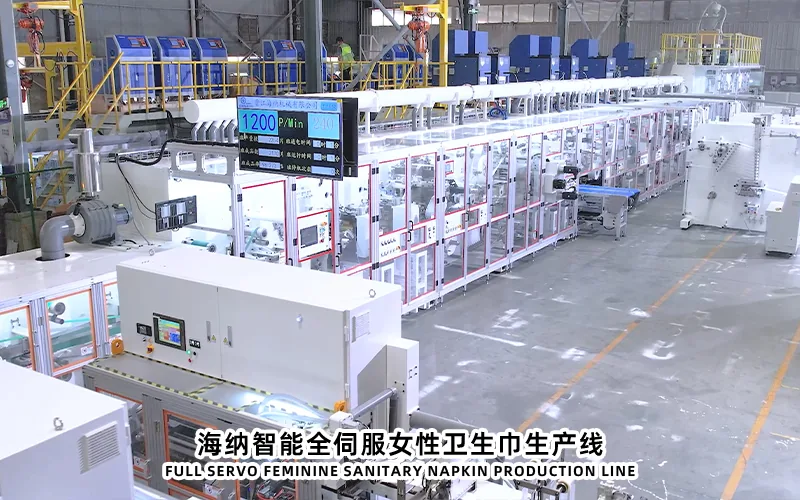
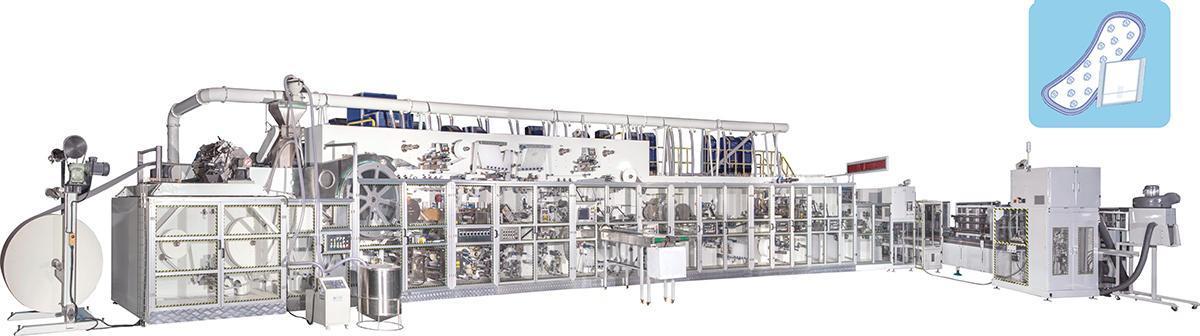
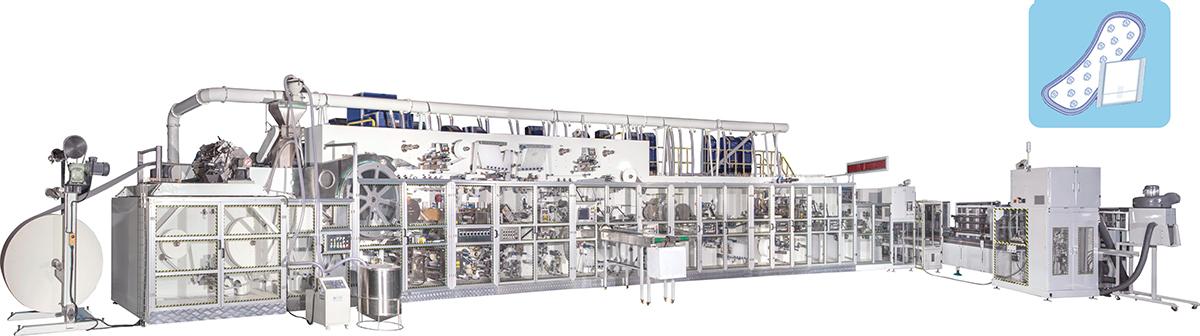
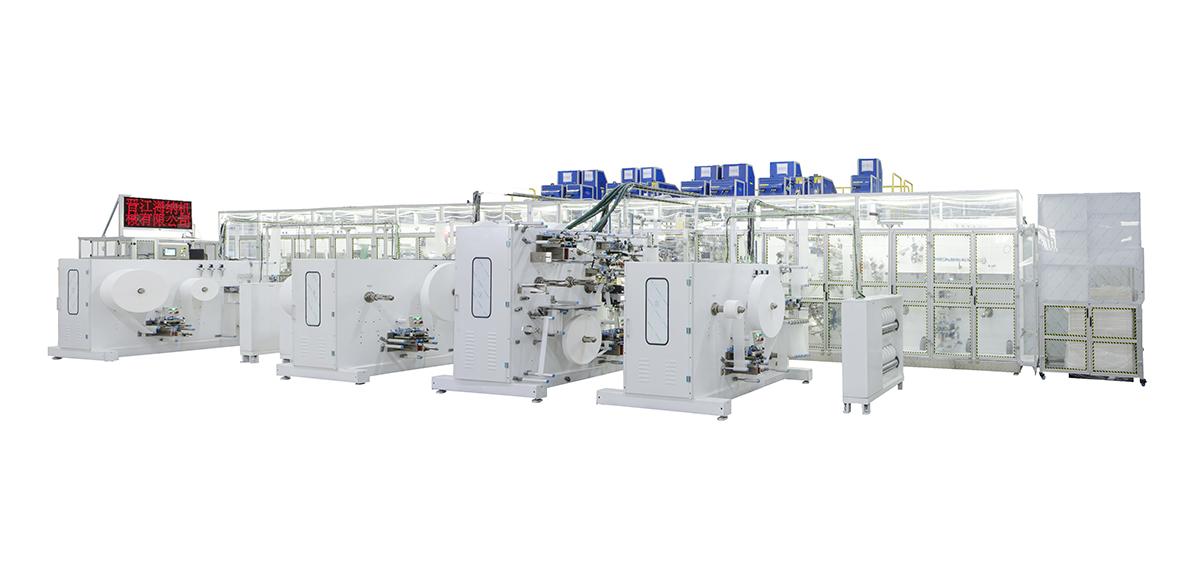
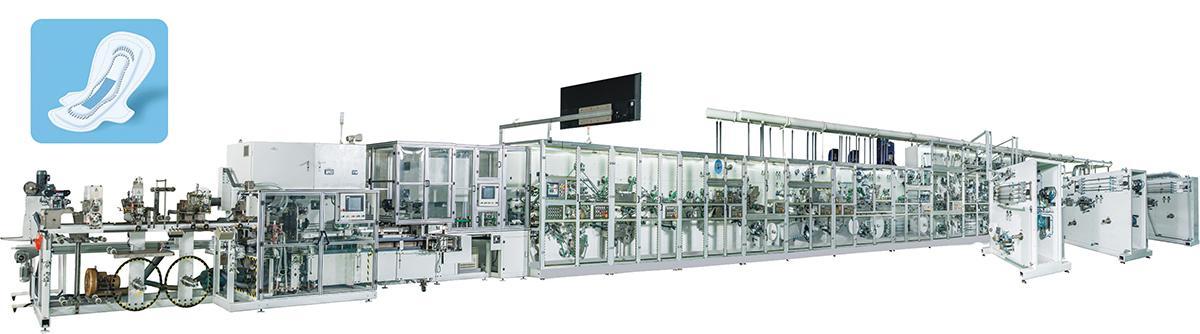
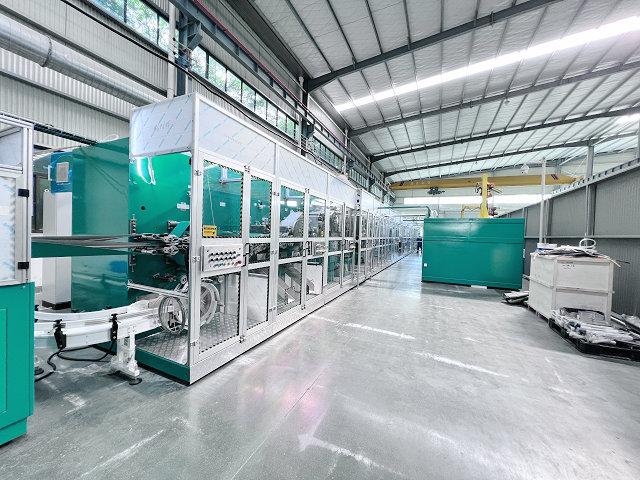
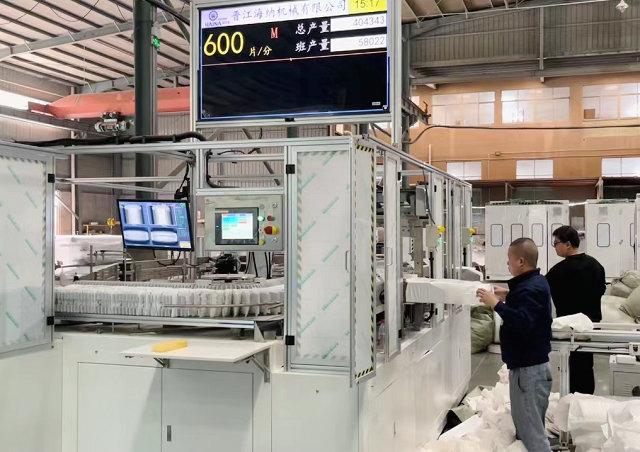
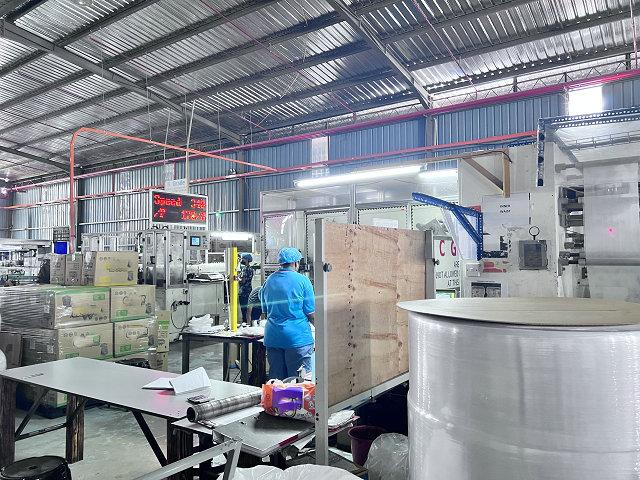
A sanitary napkins manufacturing machine FAT should verify the contracted scope, approved products and materials, guarding, utilities, controls, web handling, process quality, inspection, rejection, changeover, continuous operation, packaging interface, documents, and training. Equipment buyers should approve the protocol before the test, record every stop and intervention, and distinguish design speed from the stable working condition demonstrated during FAT. Acceptance is not a short run that produces several good samples. It is documented evidence that the complete agreed line can perform defined functions under stated conditions and that open points have owners and closure methods.
Freeze the FAT Boundary Before Testing
The factory acceptance test begins when buyer and supplier approve the protocol, not when the start button is pressed. The document should identify the exact machine configuration, product formats, material batches, optional modules, downstream equipment, test stages, acceptance conditions, sampling plan, recording method, witness roles, and treatment of deviations. Reference the latest technical agreement, layout, process flow, and interface list.
Define what FAT can prove. It can verify the assembled equipment at the supplier factory with stated utilities, materials, people, and environmental conditions. It does not automatically prove site performance after shipment, facility connection, local staffing, or a later material substitution. If site acceptance is required, describe its separate inputs and milestones. This prevents both parties from expecting one test to answer every project question.
Create a requirement traceability list. Every important contract item should point to a drawing review, inspection, functional challenge, production trial, sample check, document, or later site action. Items unavailable for FAT should show their reason, owner, substitute evidence, and verification date.
A controlled FAT begins with an agreed equipment boundary and traceable protocol.
Verify Mechanical Readiness and Safety Functions
Use a pre-FAT readiness gate so witness time is not spent finishing normal assembly. Check module identification, fasteners, alignment, lubrication, guards, doors, labels, utilities, cable routing, pneumatic connections, extraction interfaces, adhesive systems, and housekeeping. Confirm that temporary shop arrangements are identified and will not be mistaken for the final delivery configuration.
Review operating modes and access. Test start warnings, normal stops, emergency stops, guard interlocks, reset logic, controlled jog, speed restrictions, and restart behavior for the agreed zones. A stopped motion is not enough evidence by itself. Verify what energy remains, how isolation is performed for maintenance, and whether the operator can identify the active condition at the HMI and local controls.
Inspect access for threading, cleaning, roll loading, blade work, adhesive service, sensor adjustment, and component removal. The buyer should compare the physical machine with the approved layout and maintenance envelope. Note any guard or panel that cannot open as shown or any service point blocked by another supplied module. Safety findings should be classified separately from cosmetic or documentation issues.
Control Test Products Materials and Instruments
Identify each test roll by supplier, material description, specification, roll width, diameter, core, winding direction, batch, and condition. Include the intended topsheet, distribution layer, absorbent materials, tissue or airlaid, backsheet, release paper, wrapper, adhesive, and other approved components. Representative materials are essential because web tension, guiding, bonding, dust, cutting, folding, and registration can change with material behavior.
Prepare enough material for threading, tuning, planned continuous runs, inspection challenges, stop and restart checks, sampling, and one agreed changeover. State whether setup waste is excluded from the acceptance window and when formal measurement begins. If a substitution is unavoidable, record the technical difference and limit the conclusion; do not treat an easy-running substitute as proof for the buyer's launch recipe.
Confirm test instruments, methods, calibration status where applicable, sample conditioning, sampling frequency, and decision authority. Product quality may include dimensions, position, appearance, seal or bond condition, folding, wrapper result, absorbent-core distribution, and other project-specific checks. The buyer's quality representative should approve how a sample passes rather than relying only on visual judgment at the machine.
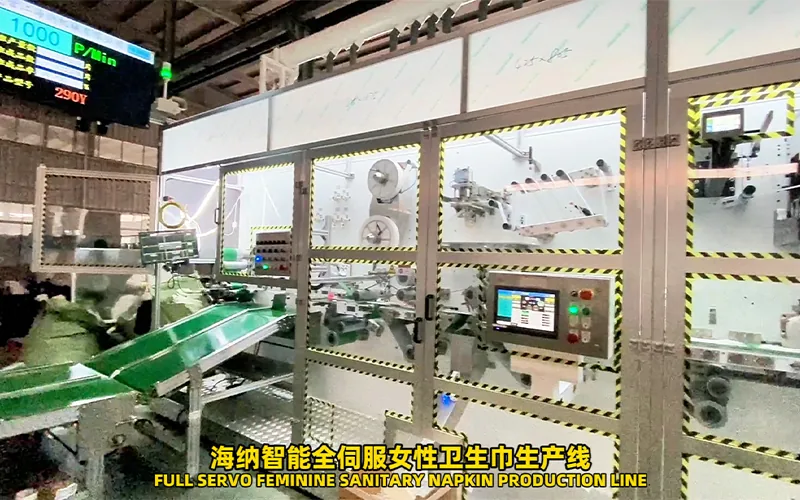
FAT evidence is meaningful only when product recipes and material batches are controlled.
Challenge Every Critical Process Function
Trace the process from each unwind to final discharge. Verify roll loading, brake or drive response, splice sequence if supplied, accumulator function, tension zones, edge guiding, web alignment, absorbent-core formation or placement, adhesive application, lamination, embossing or sealing, contour cutting, wing handling, release-paper placement, folding, individual wrapping, counting, and transfer. The exact list must follow the purchased configuration.
For each function, identify the input, setpoint, adjustment access, alarm, failure response, output, and inspection method. A module should not receive a simple checked mark because it moved. For example, a web guide should be challenged with a controlled edge deviation, a splice should be tested using the approved preparation, and registration control should recover within an agreed method after a normal disturbance.
Observe the HMI from an operator's viewpoint. Confirm recipe names, units, limits, access levels, alarm text, event history, machine status, and recovery guidance. Check that stored settings correspond to the installed product tooling. Record software and parameter versions before the formal run so later changes are visible. Backups should be created from the accepted state rather than an earlier setup.
Measure a Stable Run Without Hiding Stops
Define design speed, target FAT speed, demonstrated stable working speed, and normal site operating speed separately. Design speed is a machine design reference under specified conditions. The FAT target is a contractual test condition. Demonstrated stable working speed is the condition actually maintained during the agreed trial. Normal operating speed after startup may be selected by the plant based on product mix, materials, quality, maintenance, and downstream capacity.
The protocol should state the run duration, allowed ramp-up, formal measurement window, planned events, stop categories, exclusion rules, sampling, good-product count, reject count, and material waste boundary. Record every speed change, adjustment, alarm, web break, splice, jam, quality hold, and downstream interruption with time and cause. Restarting the test clock after each fault can hide the actual operating behavior.
Calculate saleable output from accepted products over the defined window, not from HMI speed alone. Reconcile counter totals with rejected, sampled, manually removed, and packaged products. If the packaging equipment is outside scope, define the main-line discharge condition. If it is included, run the connected system and capture both upstream and downstream stops.
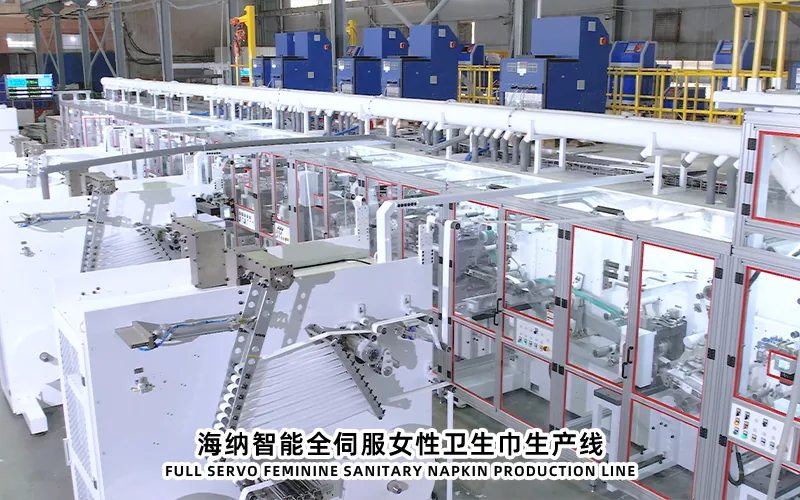
Stable output must be supported by time records, stop data, samples, and counter reconciliation.
Test Changeover Faults and Recovery
Select a representative format change that exercises the relevant tooling, recipe, web-width, fold, cut, release-paper, wrapper, inspection, and packaging adjustments. Begin timing from the agreed machine condition and stop only after an accepted product is produced at the defined release stage. List pre-staged work separately so the result remains understandable.
Observe change-part identification, tools, lifting, adjustment references, recipe selection, line clearance, removed-material handling, first-off checks, and return of guards. Record who performs each task. The purpose is not merely to claim a fast time; it is to reveal missing access, ambiguous settings, mixed parts, and training needs before shipment.
Challenge normal faults safely. Examples may include low roll, controlled web break, sensor interruption, reject-bin condition, downstream stop, bag supply issue, or utility warning where applicable. Verify alarm identification, automatic state, safe access, product removal, reset conditions, tracking cleanup, and restart sample checks. Never create a fault that exceeds the approved test risk controls.
Inspect Quality Reject and Packaging Interfaces
For each online inspection feature, define detectable defects and limits. Use controlled challenge samples or conditions to verify detection, tracking, physical rejection, reject confirmation, alarm, and record. Test at relevant speed changes and restarts. Confirm what happens if inspection is unavailable and whether production can continue under a documented quality decision.
Review sampling and retained products across the run, not only at the end. Compare early, middle, and late samples for dimensions, registration, cutting, bonding, folding, appearance, and agreed performance checks. Link a failed sample to the production time and material batch so the affected window can be investigated.
If stacking or bagging is included, verify count, orientation, compression, bag handling, sealing, coding, rejection, and finished-pack discharge. Induce a controlled downstream stop and observe accumulation or main-line response. When HAINA and a buyer prepare an FAT for an automatic sanitary napkin manufacturing machine, the final protocol should match the purchased modules and approved product rather than a generic demonstration sequence.
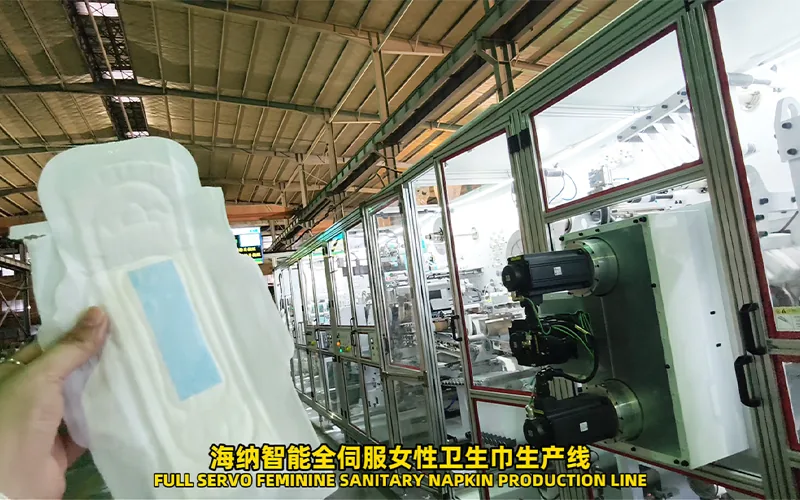
Inspection evidence should follow a product from detection through rejection or accepted packaging.
Close Documents Training and Open Points
Review document completeness against the contract. Check general arrangement, utilities, electrical and pneumatic drawings, operating and maintenance manuals, bills of materials, lubrication, alarms, changeovers, wear parts, recommended spares, software backups, parameter files, inspection settings, and FAT records. Confirm language, revision, machine identifiers, and final delivery date for any as-built updates.
Use the machine to train buyer witnesses in threading, startup, normal stop, recipe control, quality checks, material replenishment, alarm response, reject handling, cleaning, and shutdown. Maintenance training should cover isolation, adjustment, lubrication, wear inspection, diagnostics, backups, and approved replacement. Record topics and open training needs; presence at FAT is not proof of competence.
Classify open points by effect on safety, product quality, stable operation, packaging, documentation, or appearance. Every point needs an owner, temporary control if allowed, due date, evidence, and approval authority. State whether shipment is permitted with the point open. Photograph and identify corrections so remote closure is traceable.
Use a Traceable FAT Acceptance Table
FAT gate
Evidence
Buyer witness focus
Possible disposition
Readiness
Completion checklist, drawing revision, software version
Not automatically. Design speed and the project FAT value are different terms. The contract should define the test product, materials, duration, quality limits, and allowed events.
Can FAT use substitute materials?
Only with written agreement and a stated limitation. Material behavior affects web control, bonding, cutting, dust, folding, and packaging, so representative launch materials provide stronger evidence.
Should every stop fail the FAT?
No universal rule applies. The protocol should classify planned events, equipment faults, material issues, buyer interruptions, and downstream stops, then define acceptance and retest treatment.
What should buyers take away from FAT?
Take signed test records, samples, counter and event data, approved software and parameter backups, documents, training records, and a controlled punch list with owners.
Conclusion
A disciplined FAT gives equipment buyers evidence before shipment while corrective access is still practical. Freeze the boundary, control materials, inspect readiness, challenge functions, measure a transparent stable run, test changeover and recovery, and close documents and open points. The final decision should rely on traceable records tied to the contracted sanitary napkin product and machine scope, not on a brief demonstration or an unsupported speed claim.