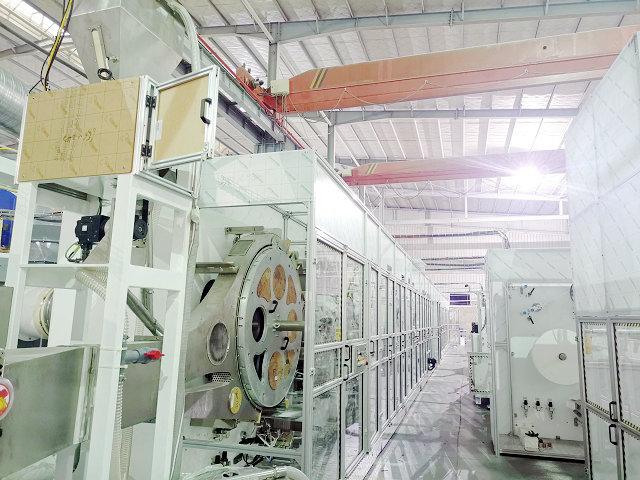
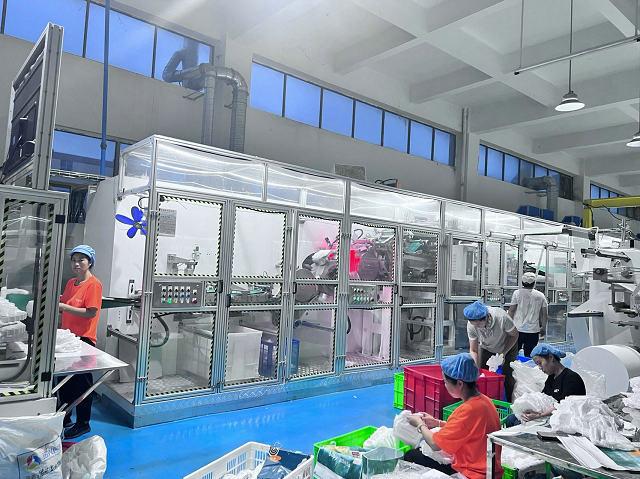
Adult & Baby Diaper Machine,Sanitary Napkins Production Line Blog
Define the Audit Goals. Request Evidence Before Traveling. Follow a Seven-Step Audit Process. Inspect the Factory Floor. Assess Engineering and Process.
To evaluate sanitary napkin machine manufacturers before a factory audit, first convert your product plan into measurable requirements, then request evidence that can be verified during the visit. Review product compatibility, machine scope, engineering control, manufacturing quality, trial procedures, delivery planning, training, spare parts, and after-sales support. At the factory, follow an actual machine from incoming components through assembly and testing. Compare sales claims with drawings, records, operator explanations, and observable trial results. A suitable supplier should define limitations clearly, connect each promise to an acceptance method, and show that its process can be repeated beyond a prepared demonstration.
Define the Audit Goals
A factory audit should answer a purchasing question, not merely confirm that a supplier has a building, employees, and equipment. Begin by defining the sanitary napkin products you intend to make, the markets you intend to serve, and the operational conditions in your plant. Product length, thickness, absorbent structure, topsheet, wings, release paper, sealing pattern, folding method, and packaging interface can all affect machine configuration.
Prepare one controlled requirement sheet for every candidate. It should identify the expected product range, planned raw materials, target operating range, available floor space, electrical supply, compressed-air conditions, operator skill level, packaging arrangement, and launch schedule. Ask each manufacturer to classify every requirement as standard, optional, customized, subject to testing, or outside its scope. This makes quotations easier to compare and exposes assumptions before they become contract disputes.
The audit team should combine commercial and technical perspectives. Procurement can review scope, payment terms, warranties, and delivery responsibilities. Production and maintenance staff can judge access, changeover, cleaning, fault recovery, and operator workload. Quality personnel can examine inspection methods and acceptance criteria. If possible, include the person who will later manage installation or production, because practical operating questions often reveal risks that remain hidden in sales documents.
Request Evidence Before Traveling
A productive audit begins before the visit. Send your requirements early and request documents that help the team identify unclear areas. A polished brochure can describe capability, but it does not prove that a manufacturer controls design revisions, component quality, assembly, testing, or after-sales handover.
Pre-audit evidence checklist
A technical proposal linked directly to your product specification and raw-material plan.
A machine layout showing dimensions, operating direction, access zones, and utility points.
A scope list separating included modules, optional systems, excluded equipment, and buyer-supplied items.
A proposed electrical and control-component list with a procedure for substitutions.
Draft acceptance criteria for product quality, continuous operation, speed, waste, changeover, and alarms.
An installation, commissioning, training, warranty, spare-parts, and remote-support outline.
Examples of manuals, maintenance schedules, inspection forms, and parts lists used on comparable projects.
Ask for records that can be checked on site, such as drawing revision histories, incoming inspection forms, assembly checklists, calibration records, test procedures, and anonymized project schedules. Certificates, customer references, and production videos may provide context, but they should support direct technical evidence rather than replace it.
Send several process-specific questions in advance. Ask how the proposed machine controls web tension, maintains registration, manages adhesive application, removes rejected products, records alarms, and handles size or format changes. The clarity and consistency of the written responses can indicate whether sales, engineering, production, and service teams are working from the same project definition.
Follow a Seven-Step Audit Process
A fixed sequence keeps the visit focused and reduces the chance that an attractive demonstration will dominate the assessment. Use the following process for every shortlisted manufacturer so that your notes remain comparable.
Confirm the agenda and evidence owners. Identify who will answer commercial, mechanical, electrical, quality, production, and service questions.
Review the project definition. Reconfirm product formats, materials, machine scope, factory utilities, responsibilities, and unresolved technical points.
Trace incoming components. Examine receiving, identification, inspection, storage, approval status, and handling of nonconforming parts.
Follow manufacturing and assembly. Observe how drawings, work instructions, measurements, software versions, and changes are controlled.
Inspect a relevant machine. Review safety, access, cable and pneumatic routing, adjustment points, cleaning areas, and maintenance tasks.
Witness testing where available. Compare the trial materials and product format with the proposed configuration, and record stops, adjustments, samples, and operator actions.
Close with written actions. List evidence received, open questions, deviations, responsible parties, and due dates before leaving the factory.
Interview more than one department when a point affects several functions. For example, ask both engineering and service teams how software backups are restored or how a recurring tension alarm is diagnosed. Answers do not need identical wording, but responsibilities and procedures should be compatible.
Inspect the Factory Floor
Start with material flow rather than the showroom. Observe how purchased components are received, labeled, inspected, stored, and released. Look for part numbers, inspection status, protected storage, and separation between approved and unverified items. Weak incoming control can create inconsistent assemblies even when a finished machine looks clean.
Determine which critical parts are manufactured internally and which are outsourced. Outsourcing is not automatically a disadvantage, but the supplier should explain specifications, approved vendors, inspection methods, and traceability. In machining and fabrication areas, look for controlled drawings, suitable measuring tools, clear work instructions, and a practical method for handling parts that fail inspection.
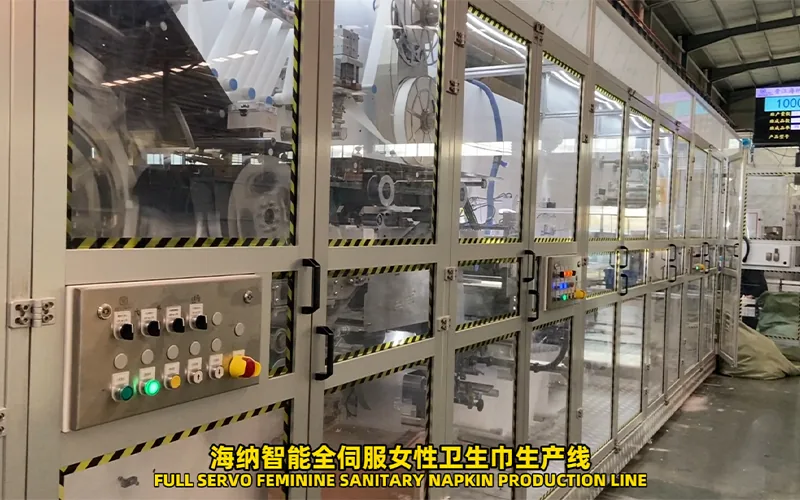
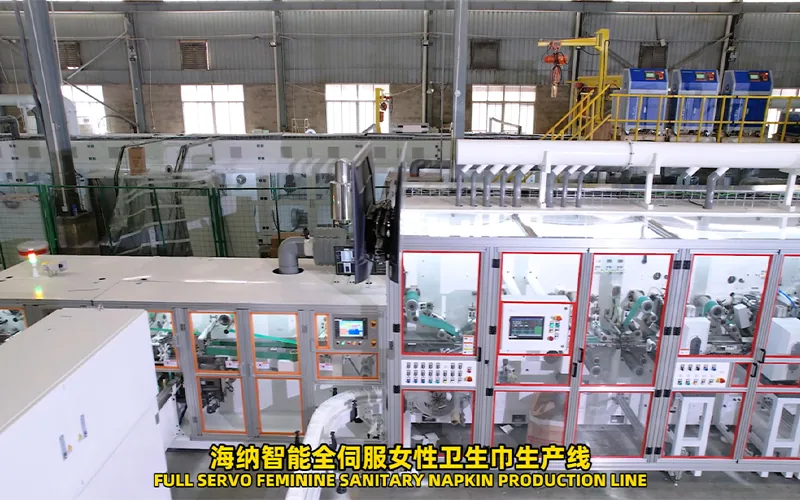
During assembly, examine guarding, fastening, cable routing, pneumatic installation, lubrication access, component labels, adjustment points, and maintenance space. Ask how technicians verify alignment and parallelism across process units. A neat appearance matters, but accessibility and repeatable assembly procedures have greater influence on long-term maintenance.
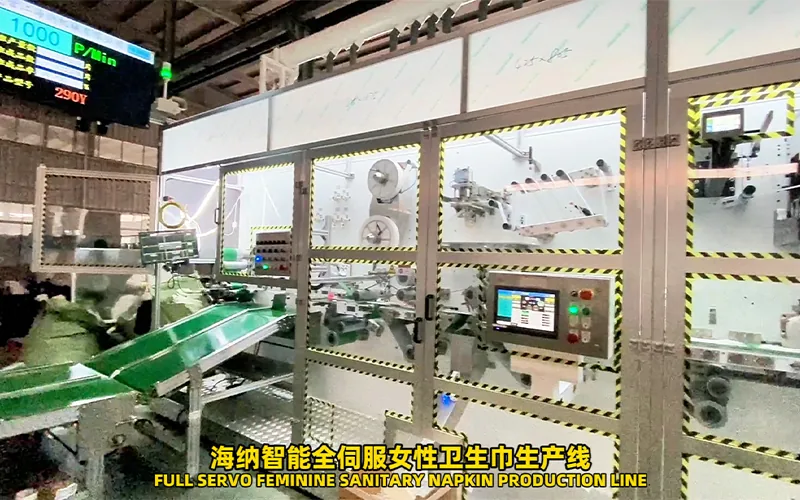
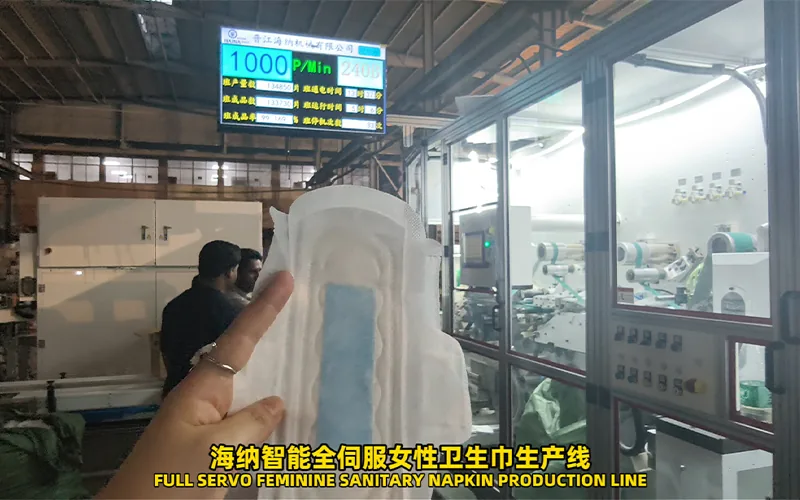
If a line is running, watch more than the displayed speed. Observe unwinding, splicing, web tracking, startup waste, material transfer, adhesive application, cutting, sealing, folding, rejection, and operator intervention. Request samples taken at different times rather than accepting only products prepared before the visit. Confirm whether the trial product and materials are representative of your proposed configuration.
Assess Engineering and Process Control
A strong manufacturer should explain how product requirements become controlled mechanical and electrical functions. Ask an engineer to describe the complete process from raw-material unwinding to finished-product discharge. The explanation should connect each unit with a product characteristic, a control method, an adjustment method, and a likely failure mode.
Review how the design team controls drawings, bills of materials, software versions, and customer-specific changes. Ask who approves a revision, how the revised information reaches purchasing and assembly, how software is backed up, and what final documentation the buyer receives. A defined process reduces the risk that outdated drawings or programs reach the machine.
Evaluate the control system as an operating method, not simply as a list of component brands. Discuss tension control, registration, synchronization, recipes, alarms, rejection logic, access permissions, data retention, and fault diagnosis. Confirm which parameters operators can change and which require engineering authorization. Also ask how settings are protected during a power interruption or component replacement.
Maintenance should receive equal attention. Inspect access to wear parts, cutters, belts, bearings, sensors, adhesive units, and cleaning points. Ask a technician to explain a common adjustment or replacement. A compact design can be useful, but it should not create excessive maintenance time or require unnecessary disassembly.
HAINA's stated capabilities include mechanical design, electrical control, assembly, commissioning, and after-sales support. Buyers considering its sanitary napkin machine solutions should still verify the proposed configuration against their own product drawings, materials, utilities, staffing, and acceptance conditions. The same evidence standard should apply to every candidate.
Score Manufacturers with a Decision Table
A weighted table prevents price, presentation quality, or one successful demonstration from dominating the decision. Set the weights before the audit. Score each category from one to five, where one means inadequate evidence and five means strong, repeatable evidence. Attach a brief observation or document reference to every score.
Evaluation area
Suggested weight
Evidence to verify
Decision question
Product and process fit
20 percent
Requirement response, product review, material compatibility, and process explanation
Which requested functions are proven, customized, or subject to further testing?
Engineering control
15 percent
Controlled drawings, software versions, design reviews, and revision records
How are changes approved, tested, documented, and transferred to service staff?
Manufacturing quality
15 percent
Incoming inspection, machining checks, assembly procedures, and nonconformance control
Which parts are critical and how is their quality verified before assembly?
Trial and acceptance
15 percent
Test protocol, sampling rules, approved materials, and measurable limits
How will stops, waste, defects, adjustments, and speed changes be recorded?
Operation and maintenance
10 percent
Access, manuals, alarm guidance, training, and spare-parts identification
Can routine tasks be completed safely with the planned staffing and tools?
Delivery capability
10 percent
Project plan, production loading, milestone control, and export preparation
What resources are assigned and how will schedule risks be reported?
After-sales support
10 percent
Support channels, escalation process, technician planning, and warranty procedure
Who responds first and how are unresolved technical issues escalated?
Commercial transparency
5 percent
Detailed scope, exclusions, milestones, change pricing, and warranty boundaries
Which additional costs could arise before stable commercial production?
Multiply each score by its weight to produce a comparable result, but do not rely on the total alone. Two manufacturers may receive similar scores while presenting different risks. One may offer stronger engineering control but require more local maintenance preparation. Another may offer convenient service but need further product-development testing. Select the risk profile your organization can understand and manage.
Check Delivery and Lifecycle Support
Technical capability is only one part of the purchase. Review how the manufacturer manages projects from order confirmation through commercial production. Ask for a representative schedule covering design approval, procurement, manufacturing, assembly, internal testing, factory acceptance, shipment, installation, training, and handover.
Confirm who owns each milestone and what the buyer must provide. Delays often begin with unresolved product drawings, raw-material decisions, package specifications, utility details, or factory-layout approvals. A disciplined supplier should identify these dependencies early and document the schedule effect of later changes.
Examine the spare-parts proposal in detail. Separate commissioning spares, recommended operating inventory, consumables, and long-term replacement components. Ask how part numbers connect to drawings and manuals, whether suitable items can be sourced locally, and how replacement options will be communicated if a component becomes unavailable.
For an international project, define language support, travel responsibilities, installation conditions, remote access, working hours, and escalation channels. Remote diagnosis can shorten the first stage of troubleshooting, but it does not replace trained operators, reliable maintenance records, or access to critical spares. Service commitments should describe actions and responsibilities without guaranteeing outcomes outside the supplier's control.
Recognize Warning Signs
Use caution when a manufacturer promises compatibility with every product without reviewing drawings or materials. Other warning signs include an unclear quotation scope, resistance to measurable acceptance criteria, conflicting answers from departments, missing revision records, limited access to production areas, and reliance on edited videos instead of observable tests.
A very low price may result from omitted modules, shorter testing, reduced documentation, buyer-supplied services, or component choices focused mainly on initial cost. Request a line-by-line scope clarification before treating quotations as equivalent. The lowest purchase price does not necessarily produce the lowest cost of commissioning, maintenance, waste, or future product changes.
Pay attention to how difficult questions are handled. A credible team may say that it needs material trials, calculations, or additional design review before answering. That response can be more useful than an immediate promise. The objective is to find a manufacturer that identifies uncertainty, records commitments, and manages changes consistently.
Frequently Asked Questions
How long should a sanitary napkin machine factory audit take?
The duration should allow document review, a complete factory walk, interviews with relevant departments, and observation of comparable equipment. More time is required when the visit includes a formal machine trial. A short showroom tour can confirm appearance, but it rarely verifies process control or repeatability.
Should buyers request a quotation before the audit?
A preliminary quotation helps screen candidates and identify scope differences. The final technical and commercial comparison should reflect later discussions and audit findings. Important uncertainties involving materials, product design, optional units, services, and acceptance testing should be resolved before contract signing.
Is maximum production speed the main selection criterion?
No. Speed creates value only when quality, waste, operating stability, material behavior, maintenance, and downstream handling remain acceptable. Buyers should define how speed will be measured and under which product and material conditions. A repeatable operating range is generally more informative than a brief maximum-speed display.
How can different machine designs be compared fairly?
Use one requirement sheet and one scoring method. Ask each manufacturer to explain how its design satisfies the same product quality, safety, changeover, control, maintenance, and support objectives. Different technical solutions can be suitable when their limitations, dependencies, and lifecycle effects are documented.
What should be agreed before a factory acceptance test?
Agree on the exact product, approved materials, operating range, test duration, sampling frequency, quality checks, waste calculation, allowable interruptions, operator responsibilities, data records, and correction process. Both parties should define what leads to acceptance, conditional acceptance, correction, or retesting.
Conclusion
A successful factory audit converts supplier claims into evidence and unresolved questions into controlled project actions. The preferred sanitary napkin machine manufacturer should demonstrate product fit, engineering discipline, manufacturing control, measurable testing, realistic delivery planning, and support that matches the buyer's location and capabilities.
Keep the completed checklist, weighted scores, permitted photographs, meeting notes, document references, and agreed actions together. Place all important conclusions in the final technical agreement instead of leaving them in informal conversations. Whether the candidate is HAINA or another manufacturer, the strongest choice is the one whose documented capabilities match the product plan and whose remaining risks are visible, measurable, and manageable.