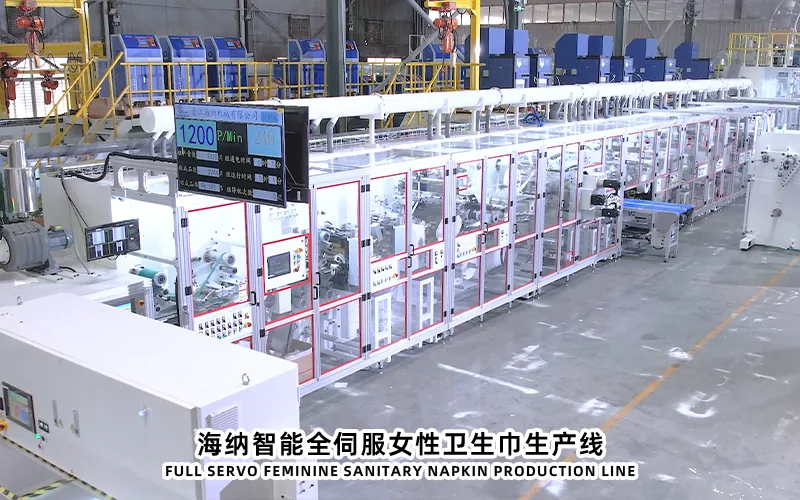
Look for a sanitary pad machine safety system built from a documented risk assessment, fixed and interlocked guards, accessible emergency stops, safe electrical design, controlled restart, isolation points, alarm diagnostics, and protected thermal or adhesive areas. The exact solution must match the machine configuration, local law, and the buyer's site risk assessment. A list of safety component brands is not enough. During review and FAT, verify where each hazard occurs, how exposure is prevented, what happens after a device is activated, and how operators perform threading, cleaning, changeover, and maintenance safely.
Start with the Machine-Specific Risk Assessment
Safety features should follow identified hazards and tasks. Ask the supplier for the machine limits, intended use, foreseeable misuse, hazard zones, protective measures, residual risks, and required user actions. Review normal production as well as roll loading, web threading, knife changes, jam clearing, glue-system service, cleaning, inspection, fault recovery, and maintenance. Many incidents occur during non-routine work rather than steady running.
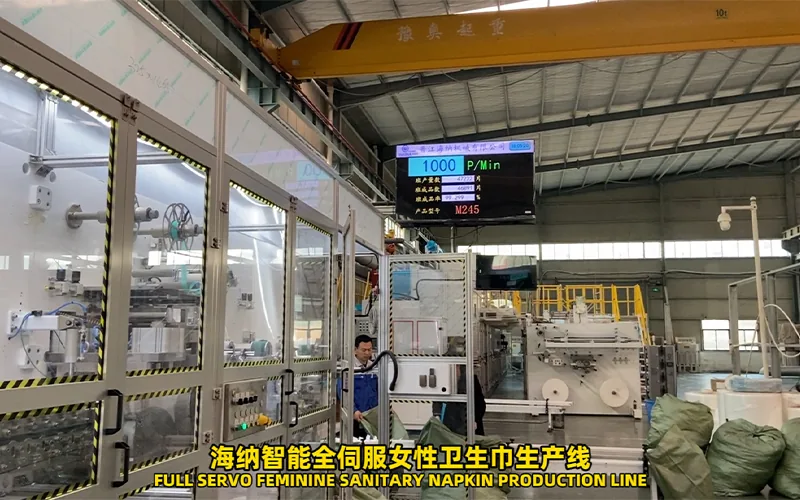
The buyer must also assess the installed line in its actual factory. Conveyors, baggers, platforms, utilities, material routes, nearby machines, and local work practices can introduce hazards outside the machine builder's original boundary. Confirm which party integrates safety signals across connected equipment and who validates the completed system.
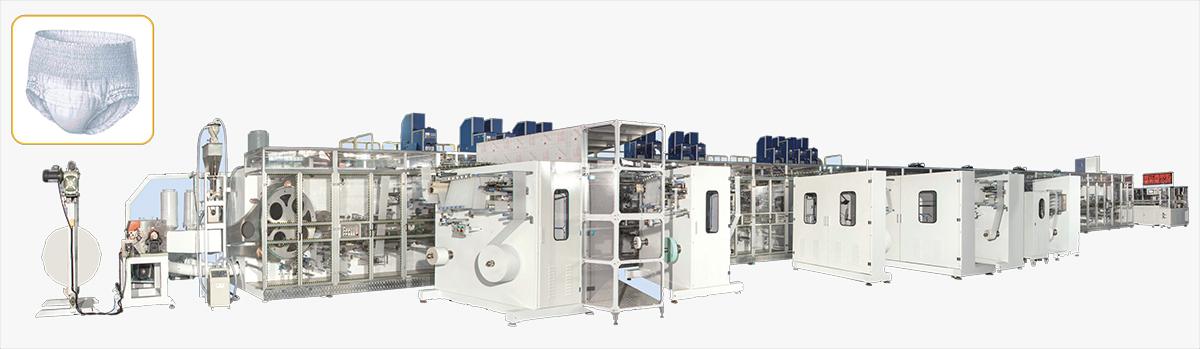
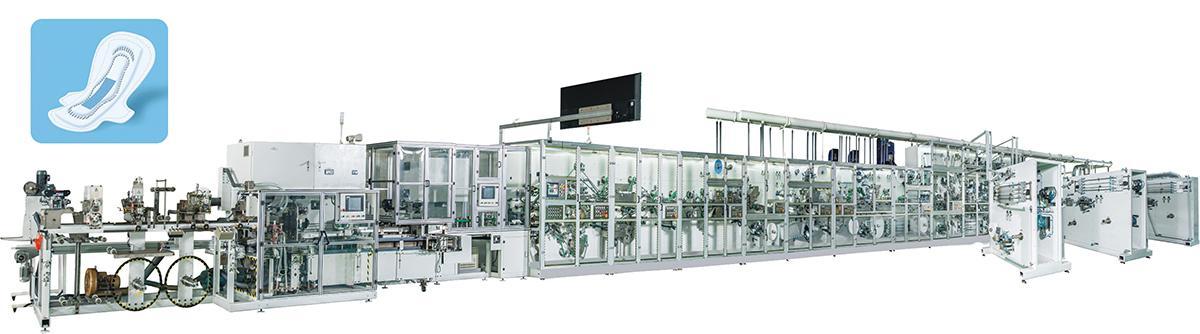
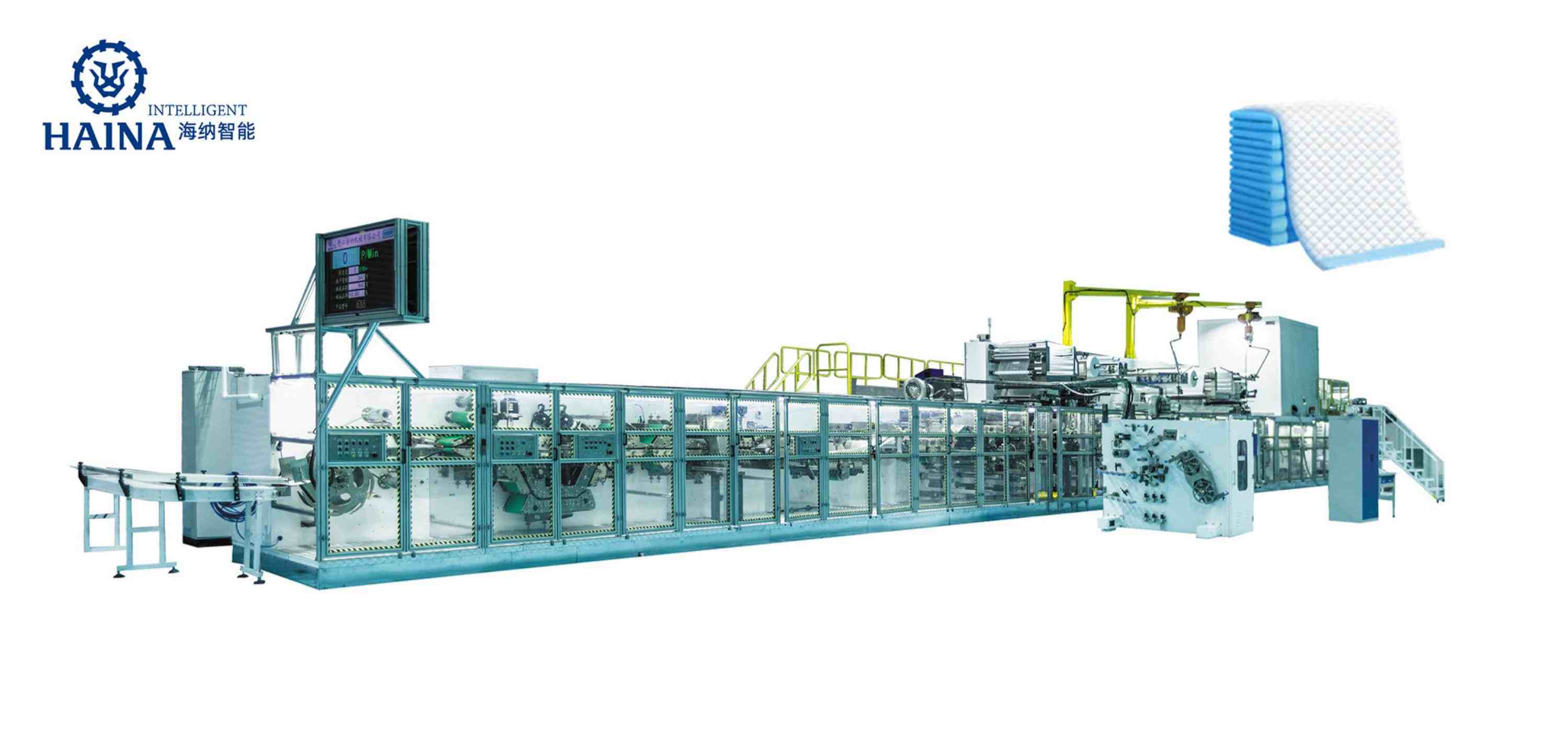
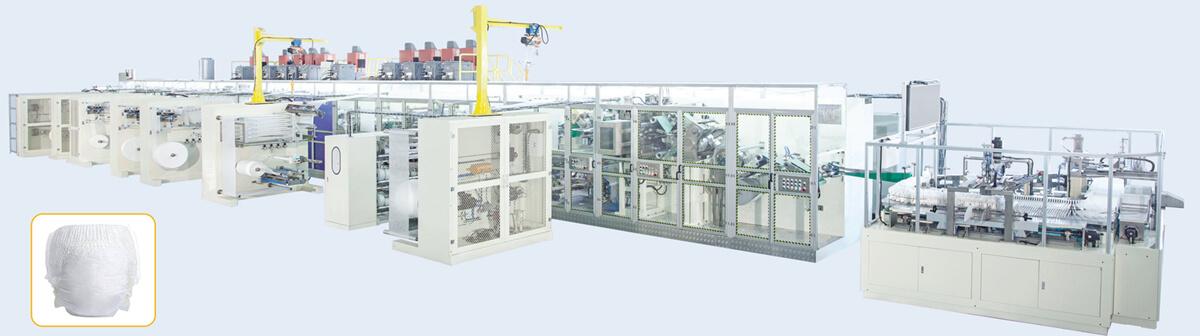
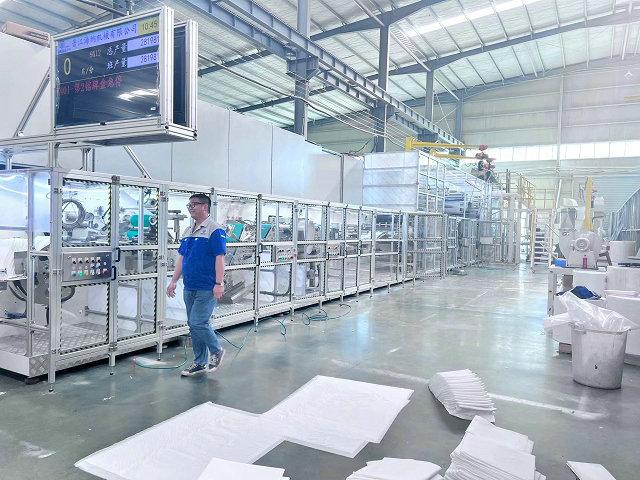
Safety review starts with the real machine layout and every operator or maintenance access point.
Inspect Guards, Doors, and Physical Access
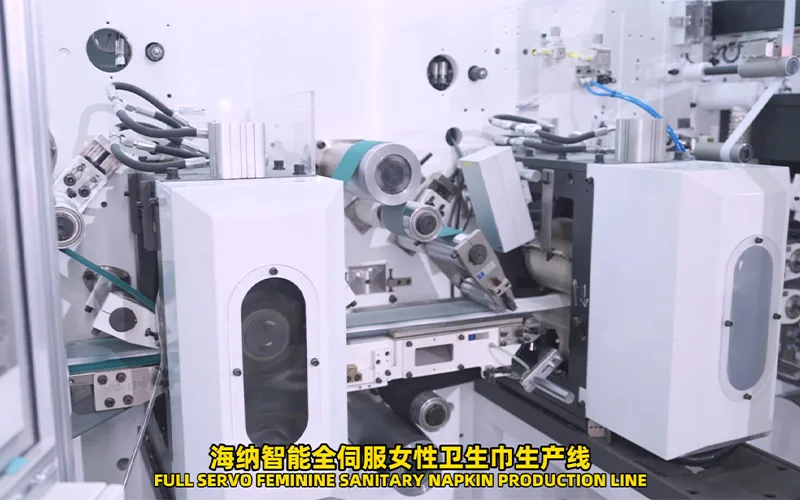
Fixed guards should prevent contact with drives, rotating shafts, belts, gears, hot surfaces, cutting areas, and other hazards that do not require routine access. They should resist expected impact, remain securely fastened, and avoid creating sharp edges or new trapping points. Openings and distances should be appropriate for the hazard, not selected only for appearance.
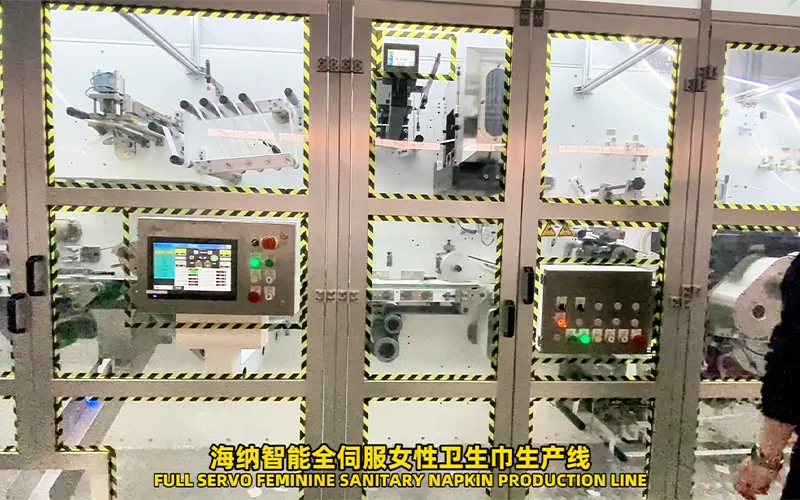
Frequently accessed zones may need movable interlocked guards. Check whether opening the guard causes the required safe response and whether hazardous motion can continue through stored energy or delayed stopping. Where a person could enter a large guarded zone, review prevention of unexpected restart and any need for trapped-key, presence-sensing, or reset arrangements.
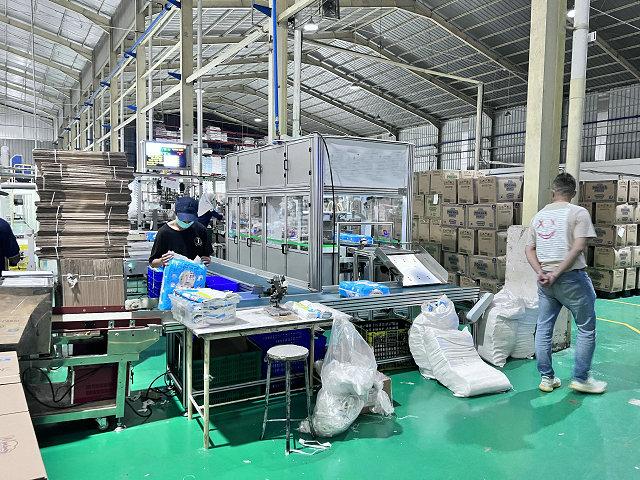
Visibility matters. Operators should be able to observe material flow and product formation without bypassing protection. Cleaning and adjustment points should be reachable from stable positions. Ask technicians to demonstrate access to cutters, belts, sensors, adhesive nozzles, and waste paths. A design that makes safe work excessively difficult invites informal shortcuts.
Verify Emergency Stops and Restart Behavior
Emergency stop devices should be easy to identify and reach from relevant operating positions. Their number and location should reflect line length, working sides, access points, and foreseeable intervention zones. Pull cords may be appropriate along some conveyor areas, while pushbuttons suit defined stations. The supplier should explain the stop category and which energy sources remain.
Test what happens after activation. Hazardous motion should reach the intended safe state, but an emergency stop does not automatically isolate every electrical, pneumatic, hydraulic, thermal, or gravitational energy source. Resetting the device should not restart production by itself. A deliberate start command and clear zone visibility are important, particularly on a long line.
Observe during an emergency-stop test
Which drives and process units stop, coast, or remain energized
Whether web tension, heated units, glue pressure, and compressed air enter defined states
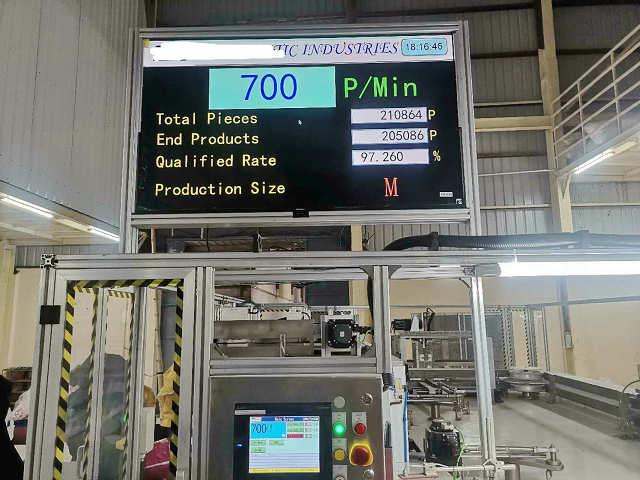
How the HMI identifies the activated device and affected zone
Whether reset is local, visible, and separate from restart
How upstream and downstream connected equipment respond
Interlocks and safe control functions should match the hazards in each process zone.
Review Electrical and Control-System Safety
Inspect enclosure protection, component identification, wiring, grounding, overcurrent protection, disconnecting means, ventilation, cable routing, and separation of power and control circuits. Electrical drawings should match the delivered machine and identify safety circuits clearly. Check the available supply, fault level, voltage, frequency, and site earthing against the design.
Safety-related control functions should be selected and validated according to the required risk reduction. Ask how interlocks, emergency stops, safe drive functions, light curtains, pressure switches, and other devices are monitored. A standard PLC alarm should not be assumed to perform a safety function unless the architecture is designed and validated for that purpose.
Access permissions on the HMI help prevent unauthorized changes, but passwords do not replace physical protection. Review manual, jog, setup, and maintenance modes. Reduced-speed or hold-to-run functions may support certain tasks when designed properly. Confirm how software revisions, safety parameters, and backups are controlled.
Check Web, Cutting, Thermal, and Adhesive Hazards
Sanitary napkin production combines fast moving webs, nip points, rotating tools, cutting units, heated sealing, adhesive application, dust, and compressed air. Review each process module separately. Web threading routes should be marked and accessible. Roll loading should use suitable lifting and retention methods. Nip points at driven rollers need protection appropriate to their location and operating task.
Cutting and forming tools require controlled access, secure handling, storage fixtures, and clear replacement instructions. Residual rotation or pneumatic movement must be considered during maintenance. Heated units and hot-melt systems need temperature control, overtemperature response, insulated or guarded surfaces where necessary, pressure relief, safe filling and draining procedures, and suitable personal protective equipment defined by the equipment and adhesive supplier.
Dust and fiber accumulation can affect both health and fire risk. Ask how extraction, housekeeping, filters, waste removal, and hot surfaces are managed. The machine design, materials, adhesive, cleaning agents, and factory environment should be reviewed together rather than as isolated purchases.
FAT should include deliberate tests of guards, stops, alarms, and restart behavior.
Confirm Isolation and Safe Maintenance Access
Maintenance requires a reliable way to isolate and control hazardous energy. Identify the main electrical disconnect, pneumatic isolation and dump points, thermal energy, stored tension, suspended loads, springs, capacitors, rotating inertia, and pressure trapped in adhesive equipment. Isolation devices should be identifiable, accessible, and compatible with the buyer's lockout procedure.
Request task-specific instructions for blade changes, jam removal, belt service, sensor adjustment, lubrication, glue maintenance, and cleaning. The procedure should state the machine state, tools, protective equipment, verification method, and restart checks. Maintenance space, lighting, platforms, lifting points, and component weight information can be as important as the isolation hardware.
Training should distinguish normal operating intervention from maintenance. Operators need to know when a stop function is adequate and when full energy isolation is required. Supervisors should monitor guard bypasses, defeated interlocks, and undocumented temporary repairs as leading indicators of safety degradation.
Include sanitation and product-contact considerations in the access review. Cleaning methods should not expose personnel to unexpected motion, sharp tools, hot adhesive, or unsuitable chemicals. The supplier should identify parts that must cool, depressurize, or reach a verified safe position before cleaning begins. Where hygienic access conflicts with guarding, the design team should solve the task explicitly instead of leaving operators to improvise after launch.
Test Safety Functions During FAT
Agree on safety checks before FAT. The objective is to verify the delivered functions and record open items, not to replace final site validation. Test devices deliberately, observe the response, and compare the result with drawings and the risk-assessment documentation.
FAT safety check
Method
Expected evidence
Site follow-up
Guard interlocks
Open each accessible interlocked guard in defined modes
Correct stop, alarm, reset, and restart behavior
Recheck after installation and integration
Emergency stops
Activate every device and record affected zones
Defined safe response and clear HMI location
Verify reach after final layout
Power restoration
Interrupt and restore relevant supplies under a controlled plan
No unexpected automatic restart
Confirm with site utilities
Isolation points
Identify and operate disconnects and energy dump devices
Labels, drawings, instructions, and verification method
Integrate into lockout procedure
Alarms and modes
Simulate selected faults and review manual or setup operation
Understandable diagnosis and controlled permissions
Train authorized roles
HAINA should be asked to explain the safety boundary and test plan for the specific sanitary napkin machine configuration under consideration. Final acceptance still depends on the buyer's local requirements and completed line integration.
Service tasks need isolation points, space, instructions, and controlled restart procedures.
Before shipment, issue a safety action register that separates completed machine items, site-integration items, training tasks, and residual risks. Give every action an owner, evidence requirement, and closure date. The buyer should know which checks depend on the final layout or local power system, while the supplier should close functions that can only be verified at its factory. This division avoids treating every open point as a future site responsibility.
Frequently Asked Questions
Does a CE-marked component make the complete machine safe?
No. Component status does not replace machine-level risk assessment, correct integration, validation, instructions, and conformity work required for the destination.
Can emergency stops be used for routine production stopping?
They are intended for emergencies. Normal stop, pause, and controlled intervention functions should be provided for routine work so emergency devices remain available and meaningful.
Should a guard opening remove all electrical power?
Not necessarily. The required safe response depends on the hazard and design. The function must prevent unacceptable exposure, while full isolation is handled through the defined energy-control procedure.
Who is responsible after the line is connected to a bagger?
Responsibilities must be defined contractually, but the completed integrated line needs a coordinated risk assessment and validation covering shared signals, transfers, stops, access, and restart.
Conclusion
The most important sanitary pad machine safety feature is a coherent system that links identified hazards to guards, safe controls, stopping, isolation, access, instructions, and validation. Review non-routine tasks as carefully as normal production. Put the required documents and FAT checks in the purchase specification, then repeat site validation after utilities and connected equipment are installed. A buyer should accept safety claims only when each protective measure can be located, tested, understood, and maintained.