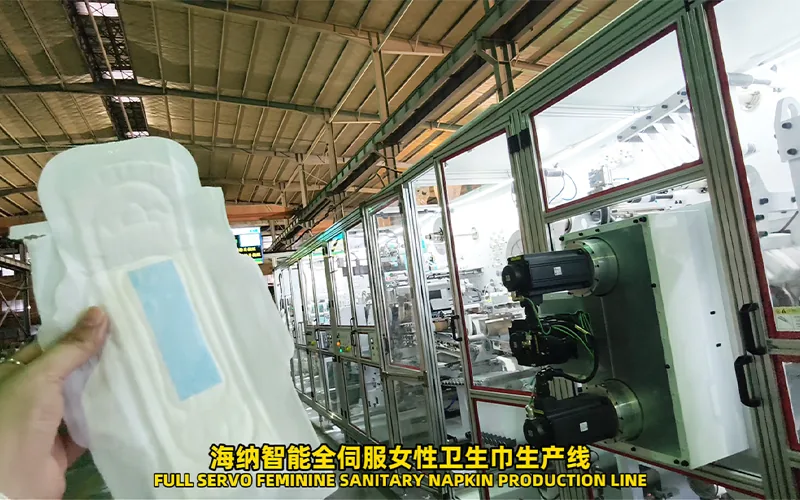
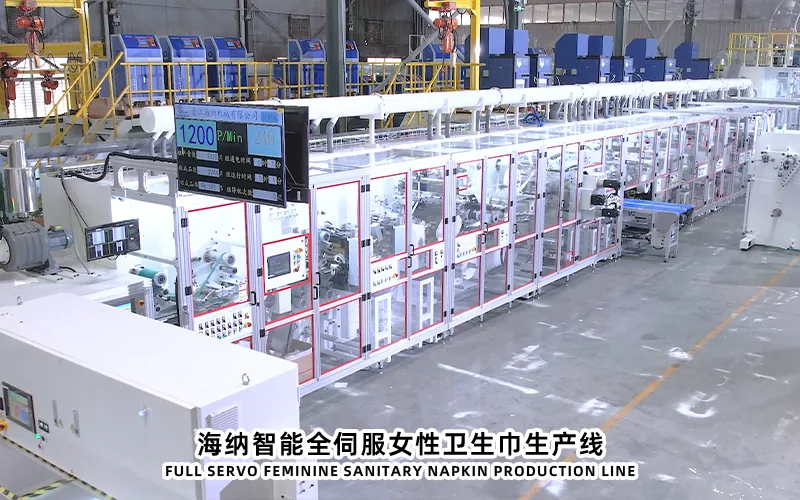
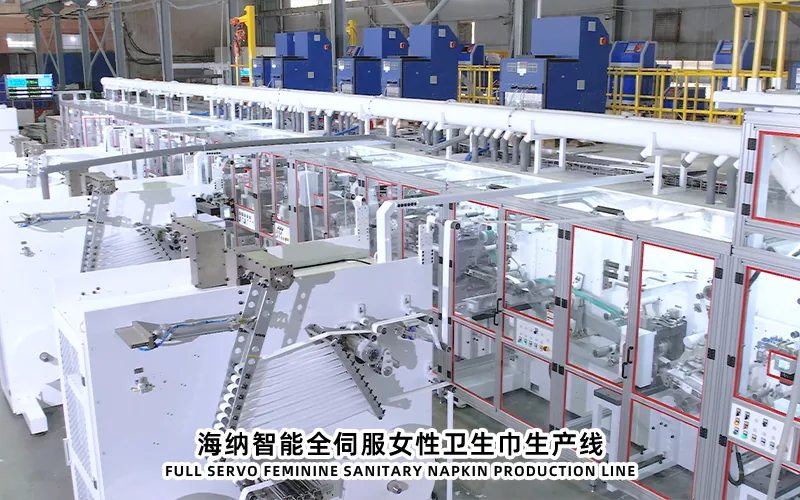
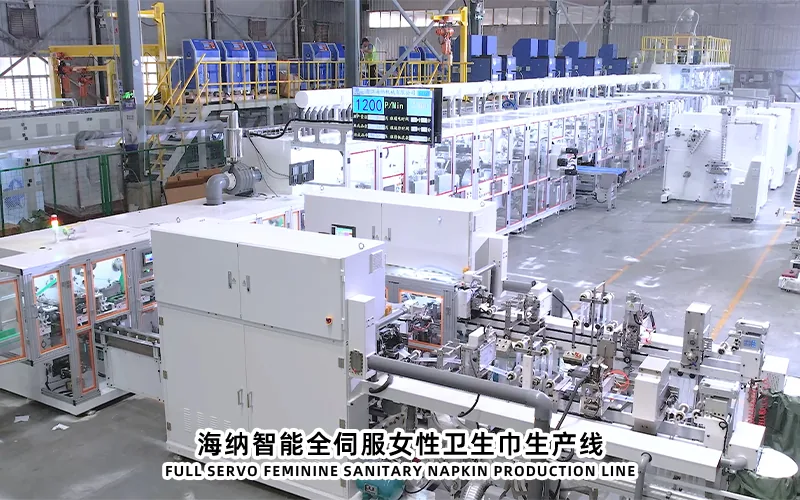
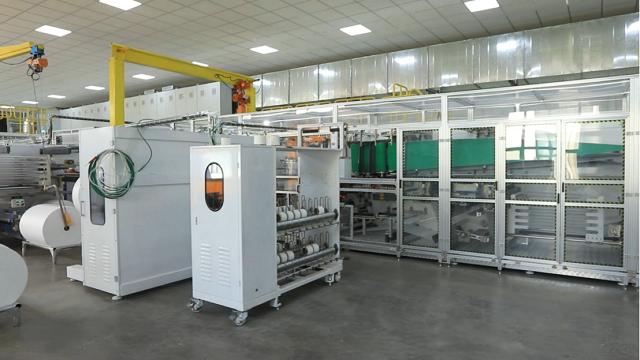
Optimize a sanitary pad manufacturing machine by separating the shift into startup, stable production, changeover, and recovery periods, then controlling a short set of measurable conditions in each period. Confirm materials, settings, utilities, guards, and inspection tools before release. During stable running, compare actual quality and stoppage patterns with the approved product recipe rather than chasing maximum displayed speed. Record defects, waste causes, stop duration, corrective action, and the first acceptable product after every intervention. Efficiency improves when operators remove recurring losses without weakening absorbency, sealing, placement, dimensions, or traceability.
Define an efficiency baseline before changing settings
Production efficiency is not the highest momentary counter value. It is the amount of conforming product released from a controlled process compared with the planned production time and materials. A useful baseline therefore separates running time, planned stops, unplanned stops, startup scrap, changeover scrap, process rejects, and product held for review. Without these categories, a team may appear to improve output simply by moving losses into an unreported bucket.
Start with one approved product specification and one defined material set. Record the approved recipe version, product size, bill of materials, inspection frequency, staffing pattern, and planned shift window. Keep design speed, the supplier's demonstrated stable working speed, the factory's chosen operating speed, and any contractual acceptance value as separate fields. They answer different questions and must not be treated as interchangeable.
Choose a limited baseline period that represents normal staffing and materials. Review repeated loss patterns rather than using an exceptional shift as the target. The production manager should ask whether the line lost time because of feed interruption, web tracking, adhesive application, cutting, component placement, sealing, counting, packing interface, inspection, or waiting for a decision. This makes improvement work specific enough to assign.
Map losses to the relevant process section instead of treating the complete line as one undifferentiated machine.
Startup control for a sanitary pad line
A controlled startup prevents early instability from becoming a full-shift problem. Before energizing production, verify the correct raw materials and lot identities at every unwind position. Confirm that material widths, roll orientation, splices, tension paths, adhesive supplies, cutting tools, sensors, reject paths, guards, extraction, compressed air, and other required utilities match the released setup. Operators should also have the current sample, drawing, inspection sheet, and recipe authorization at the line.
Startup release sequence
Complete the safety and utility check with the responsible operator and maintenance contact.
Load the approved material lots and verify their position, direction, and identification.
Recall or enter the authorized recipe, then record any permitted local adjustment.
Run at a controlled commissioning condition while checking tracking, bonding, cutting, placement, and reject operation.
Inspect consecutive samples against the released criteria and identify the first acceptable unit.
Release stable production only after quality approval is recorded.
Do not hide startup material in general waste. Record it from the first feed until the first accepted product, with a reason for any repeated attempt. If the amount rises, compare setup condition, material lot, recipe version, and the component that delayed approval. This record converts a vague complaint about slow startup into evidence for training, fixture changes, recipe control, or maintenance.
Hold a stable running window
Once production is released, protect the stable window. Operators should observe trends in web alignment, tension response, component registration, core distribution, adhesive transfer, cutting condition, sealing, and product discharge. A setting should be changed only for a defined symptom, within authorized limits, and with the result recorded. Multiple simultaneous changes destroy cause-and-effect evidence and often create oscillation around the correct condition.
Use layered observation. The operator watches the immediate process and alarm history. Quality personnel review product measurements and functional checks at the stated frequency. Maintenance reviews condition indicators and repeated minor stops. The production manager compares output, hold quantity, and loss codes with the shift plan. This division prevents one metric from controlling every decision.
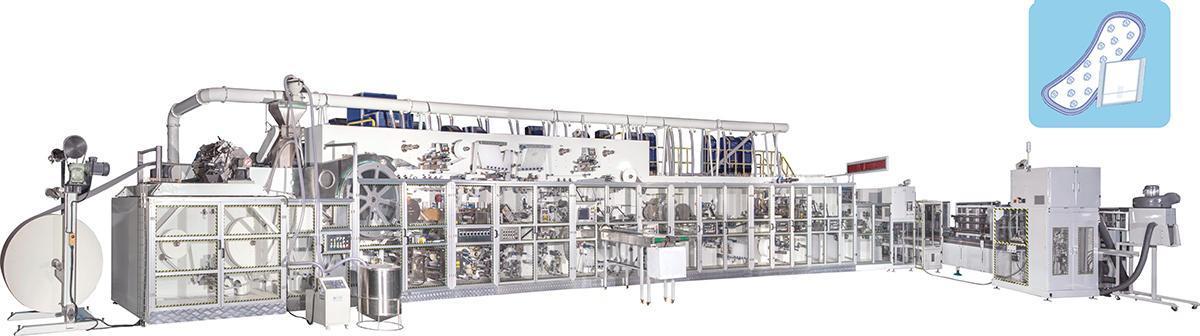
For equipment configuration discussions, the automatic feminine sanitary napkin machine page can serve as a starting point, but the factory should still issue its own product definition and acceptance conditions. HAINA can review those requirements during engineering and FAT preparation so the demonstrated configuration, materials, samples, and inspection records have an agreed context.
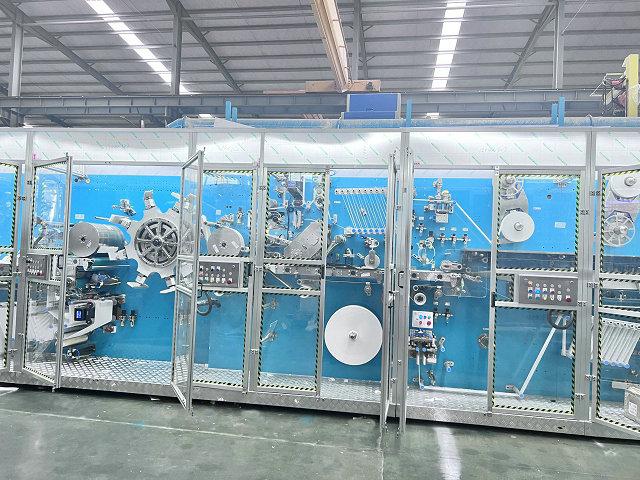
Stable running depends on observing individual feeding, bonding, cutting, and transfer conditions.
Reduce changeover loss without skipping verification
Changeover improvement begins before the line stops. Stage verified materials, tools, replacement parts, labels, inspection gauges, and the authorized next recipe. Separate tasks that can be completed externally from tasks that require isolation or machine access. Assign each task to an operator, maintenance technician, quality inspector, or material handler. The production interval should begin with the final quality-released pad in the outgoing format and end when quality releases the first pad in the incoming format.
Measure changeover in phases: clearing and isolation, mechanical adjustment, material threading, recipe confirmation, trial production, quality verification, and release. This exposes the real constraint. A delay caused by missing material identification needs a different correction from a delay caused by cutter setup or repeated sample failure. Preserve verification even when the mechanical work becomes faster. Product width, component position, adhesive pattern, core formation, sealing, and packaging count still require confirmation for the new format.
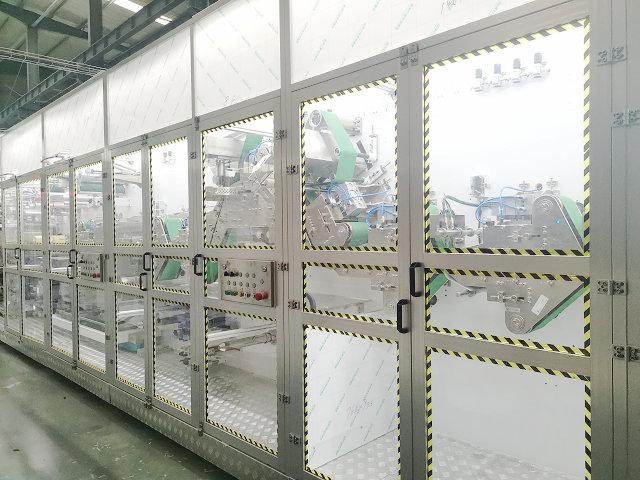
Changeover timing should include threading, trial production, inspection, and formal release.
Connect quality findings to material waste
Waste reduction must follow the product defect mechanism. A rejected pad may contain several materials, but the triggering cause could be one misplaced component, a poor cut, inadequate bonding, contamination, or a measurement outside the released tolerance. Record the first observable defect and the process location where it was created. Do not use broad labels such as machine waste when a more useful cause is available.
Observed loss
First evidence to collect
Controlled response
Release proof
Component position drift
Sample sequence, sensor status, registration trend, material splice
Check tracking and reference detection before changing offsets
Consecutive samples meet the approved position criteria
Irregular cut edge
Tool condition, debris, timing record, affected lane
Isolate, inspect, clean, align, or replace the verified wear item
Edges pass visual and dimensional inspection
Bonding or sealing weakness
Application pattern, material surface, pressure condition, temperature where applicable
Confirm material and delivery condition, then adjust only within authorization
Required bond or seal check passes on released samples
Intermittent material break
Roll lot, splice, tension path, guide condition, break location
Remove the physical cause and verify the complete feed path
Sustained run without recurrence and acceptable product checks
Mixed or unidentified output
Label status, clearance record, product flow, pallet or pack location
Stop release, segregate material, reconcile quantities and identity
Documented line clearance and traceable released output
Review waste by material value, frequency, and process cause, not only by total weight. A frequent small registration loss can consume more attention and material than a rare larger event. Verify every improvement over enough normal production to show that the defect did not simply move downstream or become harder to detect.
Classify downtime and control recovery
Define a practical stop taxonomy before collecting data. Useful groups include planned cleaning, planned maintenance, material replenishment, material defect, quality hold, mechanical fault, electrical or control fault, utility interruption, downstream blockage, and waiting for personnel or approval. Include a duration rule for minor stops so repeated short interruptions remain visible. Free-text notes can add context, but they should not replace consistent categories.
Recovery has three gates. First, make the area safe and identify the actual failed condition. Second, complete the correction and check adjacent components that may have been affected. Third, inspect startup output and document the first acceptable product. Resetting an alarm without understanding the physical cause is not a completed corrective action. Where a stop recurs, preserve alarm history, failed parts, photographs if permitted, samples, and settings so engineering can investigate.
Production should also distinguish technical repair time from decision delay and material waiting. The same event may reveal several losses. Accurate timestamps let the manager improve spare placement, escalation, technical training, and approval availability rather than placing the entire duration under maintenance.
Use a shift scorecard that drives action
A shift scorecard should reconcile planned time and material with released output. Include the product and recipe version, material lots, staffed positions, startup interval, stable running interval, changeover phases, planned and unplanned stop minutes, reject quantity, held quantity, waste by cause, and unresolved abnormalities. Add the names or roles that approved startup, restart, and final release. The scorecard is an operating record, not a performance slogan.
At handover, the outgoing team should identify the top recurring loss, the current containment, settings that were changed, work orders opened, materials placed on hold, and checks due early in the next shift. The incoming team confirms the information at the machine. Review trends at a regular production meeting and assign one owner and due date for each priority action. Close actions only when evidence shows that the loss decreased without harming product conformity or safety.
A useful handover connects line condition, open actions, material status, and quality release.
Frequently Asked Questions
Should operators always increase speed after startup approval?
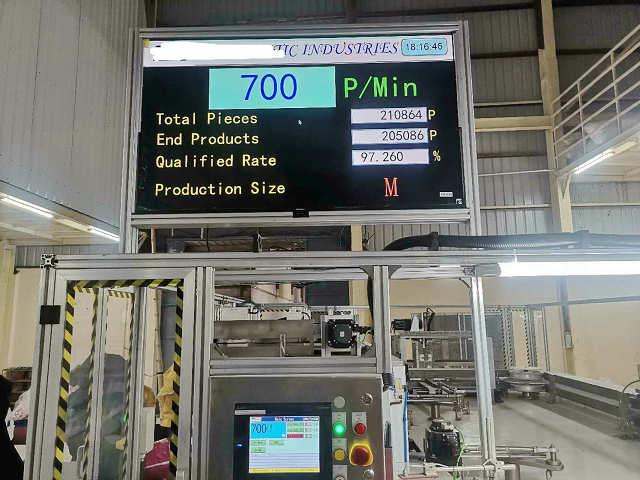
No. Increase toward the authorized operating condition only while quality results, material behavior, minor stops, and downstream handling remain stable. A higher displayed speed that creates more stops or held product can reduce released output.
Which efficiency loss should a production manager address first?
Prioritize a recurring loss with reliable evidence, meaningful time or material impact, and a controllable cause. Confirm the baseline and product risk before assigning corrective work.
How should recipe adjustments be governed?
Use access control, approved ranges, version identification, change reasons, and sample verification. Record who changed the setting and whether the expected result occurred.
What evidence is useful when asking the equipment supplier for support?
Provide the product format, material details, recipe version, alarm history, stop sequence, clear images or video where permitted, affected samples, and the checks already completed. This supports focused diagnosis.
Conclusion
Efficient sanitary pad production comes from a repeatable operating system: controlled startup, a protected stable window, prepared changeovers, defect-based waste analysis, disciplined recovery, and honest shift records. It does not come from treating maximum speed as the only target. Before changing a sanitary pad manufacturing machine, the production manager should select one product, establish the current loss baseline, and verify the main constraint with samples and timestamps. Then ask HAINA to review the product definition, planned materials, FAT evidence, and support data format, and run a witnessed verification that confirms released quality as well as sustained operation.