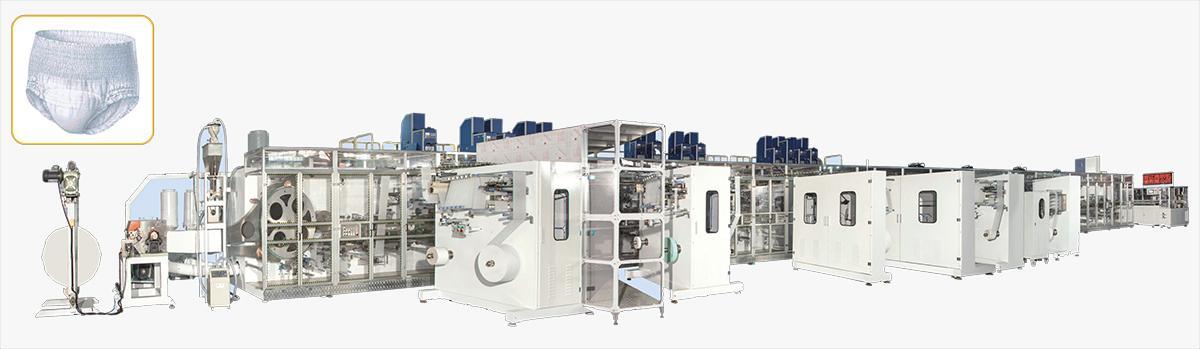
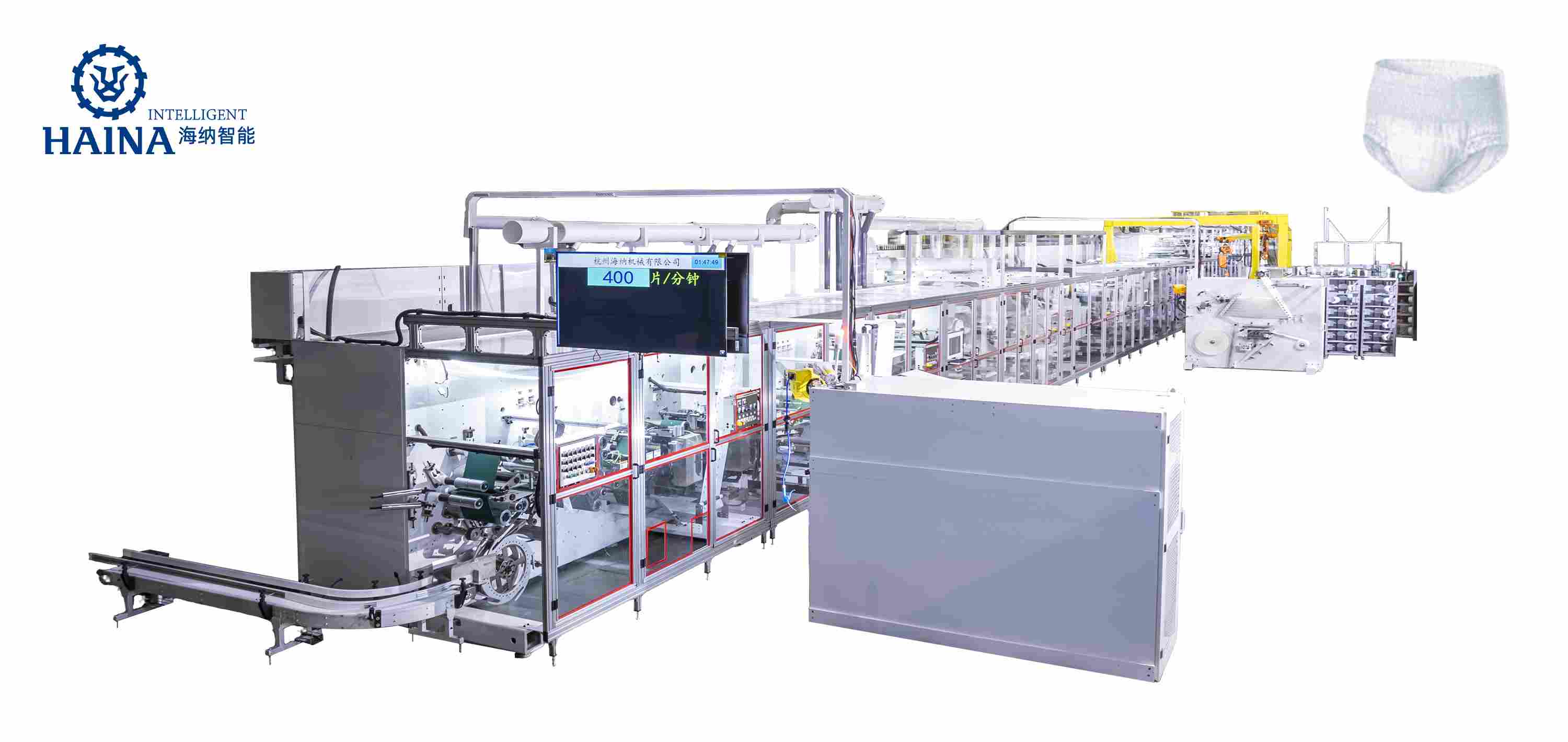
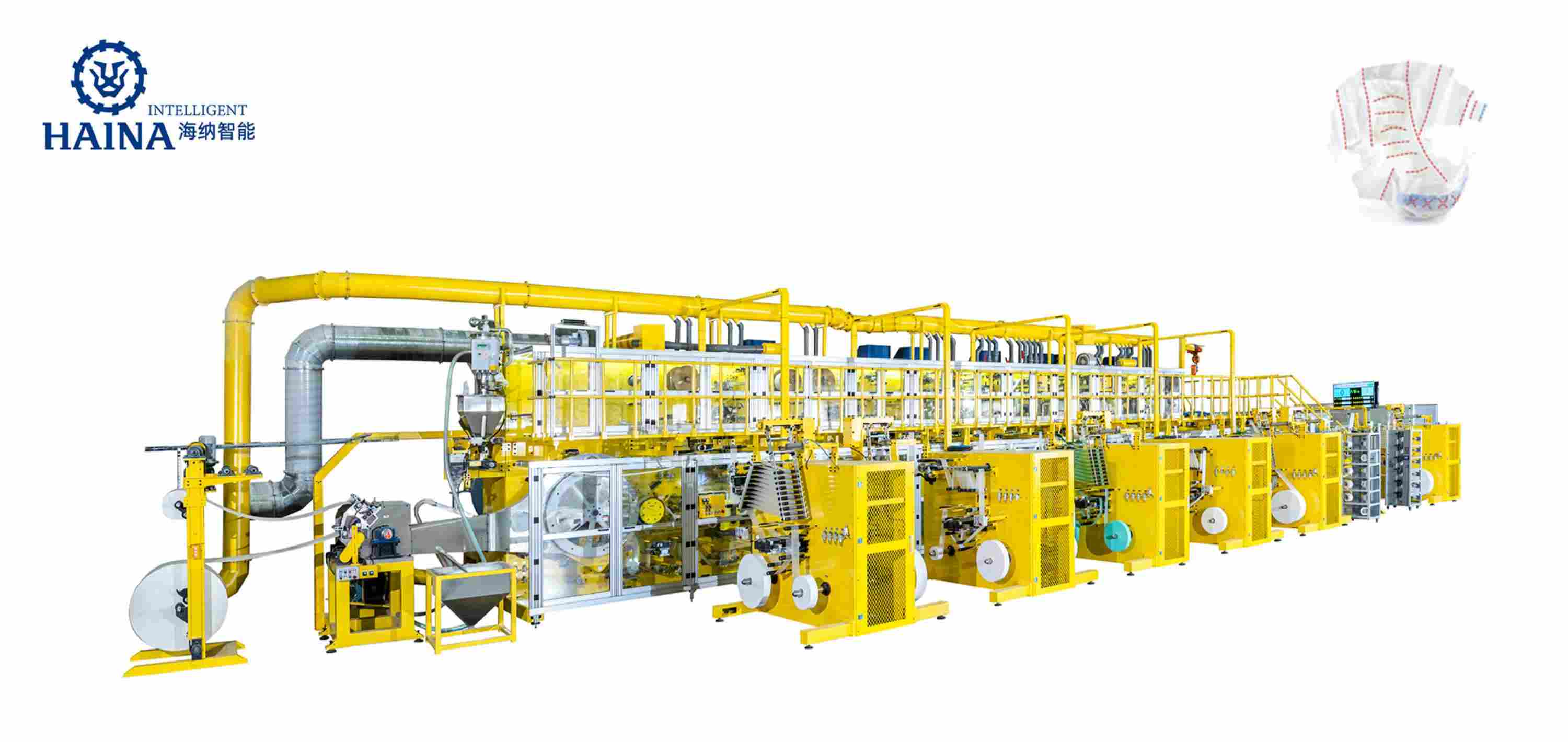
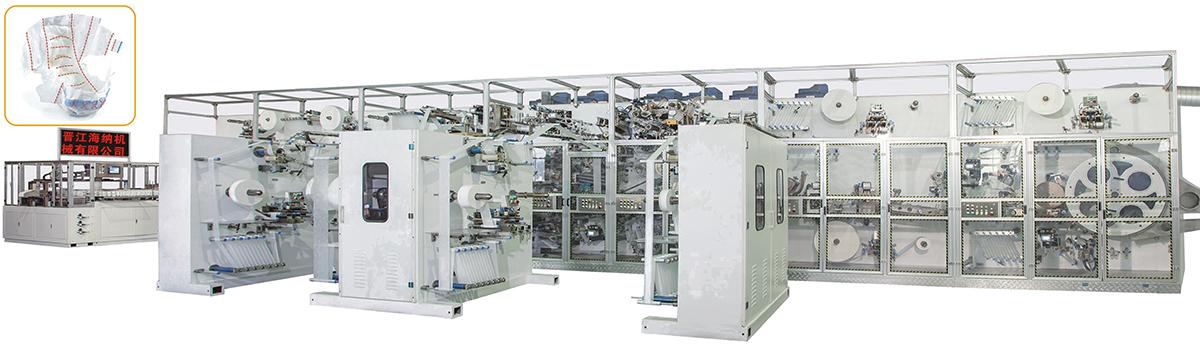
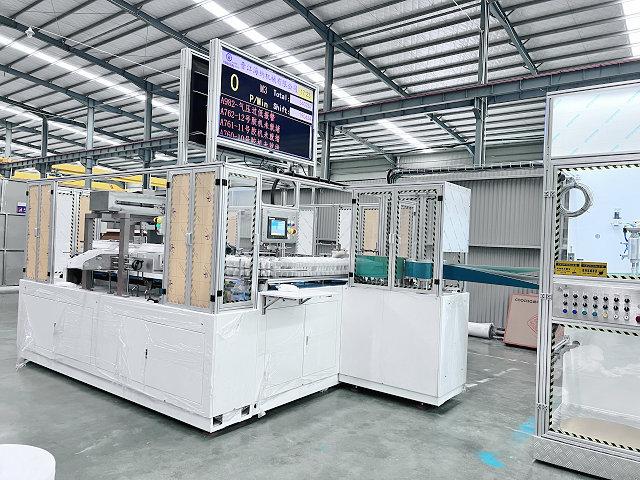
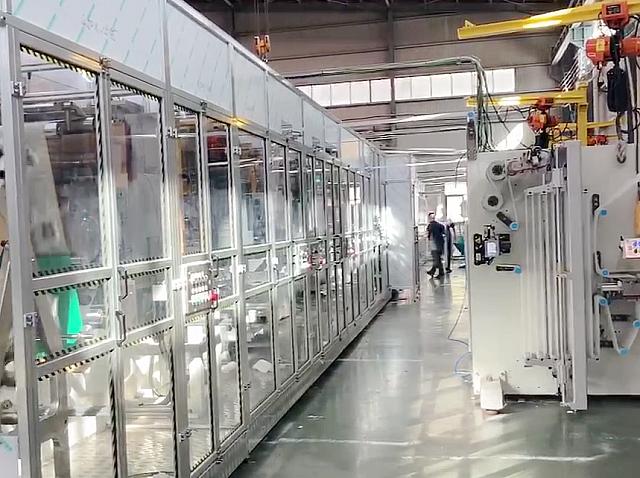
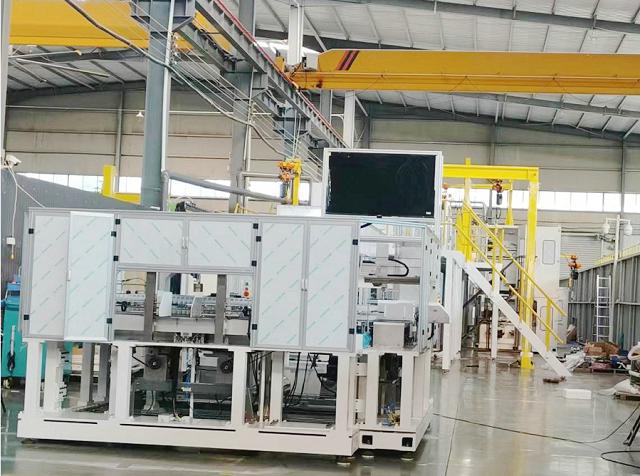
The cost of a lady diaper making production line is not limited to the main converting machine. Buyers often miss product development, change parts, inspection, adhesive and dust systems, packaging interfaces, factory utilities, freight, installation labor, trial materials, training, spare parts, and the production losses that occur while the process is stabilized. A useful budget begins with one approved menstrual pants product matrix and a common scope boundary for every supplier. Compare included, optional, buyer-supplied, and excluded items; separate design speed from demonstrated stable output; and assign contingency to unresolved materials, site interfaces, and acceptance work rather than relying on one headline price.
Define What the Production Line Cost Covers
A supplier quotation can describe a complete line while stopping at the discharge of loose products. Another may include counting, stacking, automatic bagging, coding, and conveyors. A third may include adhesive units and dust extraction but exclude compressors, electrical distribution, quality instruments, and installation labor. The totals cannot be compared until the boundary is normalized.
Create a process flow from raw-material receiving to finished pallet. Mark every machine, auxiliary, utility, manual operation, inspection point, software interface, lifting device, and service. Then assign each item to the supplier, buyer, or another contractor. This responsibility map is the commercial baseline.
Document exclusions as carefully as included equipment. An exclusion may create procurement work, engineering interfaces, freight, civil changes, additional control integration, or delayed acceptance. Ask who provides drawings and signal requirements for buyer-supplied systems and who proves the combined sequence.
Keep taxes, duties, local permits, insurance, currency exposure, and financing outside the machine technical comparison but inside the project financial model where relevant. These items depend on the destination and commercial arrangement, so no universal percentage is reliable.
The investment boundary should cover every system needed to move from materials to sellable packs.
Price Product Complexity and Change Parts
The finished product drives equipment scope. A menstrual pants line can require core formation, multiple web feeds, waist and leg elastic control, barrier placement, leg contour cutting, body folding, side joining, final cutting, inspection, and downstream folding. Additional layers, segmented elastic zones, unusual core profiles, multiple sizes, or special package formats may change modules, tooling, controls, and trial work.
List every launch size and construction. For each one, ask which parts are adjusted, which are exchanged, which recipes change, and which material widths must remain within a defined range. Include core-forming parts, cutters, guides, folding devices, joining tools, final cutoff, stacker parts, and packing change parts where applicable.
Tooling cost should include handling and preservation. Large or precise parts may need lifting fixtures, storage racks, protective cases, cleaning tools, gauges, and identification. The factory also needs planned time and trained staff to perform changeovers and verify first products.
Future products should be treated as options unless they are included in the current acceptance scope. A reserved control recipe or frame space is not the same as installed tooling, tested material paths, and approved samples. Budget future conversion with a clear list of hardware, engineering, software, trial material, and service.
Include Auxiliary and Quality Systems
Core-forming equipment may depend on pulp preparation, SAP feeding, vacuum, dust extraction, filtration, waste collection, and environmental controls. Adhesive application may need separate melt units, hoses, heads, extraction, cleaning tools, and approved consumables. Confirm which units are included and which utility connections the buyer must provide.
Online inspection cost depends on the defined defect map. A camera count alone does not establish capability. Specify what must be detected, where contrast is available, how recipes are managed, how errors are tracked, and how physical rejection is confirmed. Add offline quality instruments and laboratory methods needed to approve core, dimensions, joins, backsheet, packages, and other product requirements.
Downstream equipment often changes the value of the whole project. If products are counted manually or transferred by operators, labor, contamination control, buffering, and count accuracy belong in the operating plan. If automatic bagging is included, budget the interface, accumulation or stop logic, film or bag handling, sealing, coding, rejection, change parts, and factory test.
Auxiliaries and inspection systems can determine whether the quoted line is operationally complete.
Budget Factory Readiness and Utilities
Factory readiness begins with layout engineering. Costs can include floor assessment, foundations where required, unloading openings, internal transport, electrical distribution, grounding, compressed-air generation and treatment, vacuum, dust ducting, cooling, ventilation, lighting, fire-system coordination, network, and environmental control. Obtain process-zone utility data before sizing plant systems.
The machine footprint does not include its full building requirement. Add roll storage and staging, guard opening, operator stations, service aisles, component removal, tooling storage, adhesive handling, waste, quality sampling, packaging consumables, cases, pallets, and finished-goods movement. A building that barely fits the frames can create recurring labor and maintenance cost.
Budget lifting and installation resources. Shipment units may require cranes, forklifts, skates, hoists, riggers, survey tools, electricians, pipe fitters, duct contractors, and local safety controls. Define who unloads, positions, levels, assembles, connects, inspects, and protects each item.
International projects also need travel, visas where applicable, accommodation, translation, local transport, work permits where required, communication, and remote-support connectivity. These costs depend on the project arrangement. Assign them explicitly instead of assuming they are included in commissioning.
Account for Trial Materials and Ramp-Up
Trial materials are a project cost and a schedule constraint. FAT needs enough topsheet, backsheet, core materials, elastics, barriers, tissues, adhesives, release materials, packaging supplies, and other components for threading, setup, stable runs, quality samples, controlled faults, and changeovers. Site commissioning repeats many of these needs.
Record whether materials are locally available, need export shipment, have minimum order quantities, require special storage, or can be substituted. A late material lot can delay FAT even when the machine is mechanically ready. A substitute may allow basic commissioning but cannot prove final product acceptance unless both parties approve its limitations.
Separate setup waste, splice waste, planned sampling, process rejects, inspection rejects, packaging rejects, and material damaged during handling. This classification supports root-cause work and realistic raw-material planning. A single waste total provides little guidance for improvement.
Ramp-up also consumes engineering, production, maintenance, and quality time. Include operator training, maintenance training, recipe development, measurement work, troubleshooting, documentation changes, and repeat trials. Do not calculate labor savings until the manual tasks, staffing pattern, production schedule, and downstream automation are defined.
Budget note: Use a contingency register tied to named uncertainties, such as an untested local material, unresolved package design, incomplete utility survey, or buyer-supplied bagger interface. A generic percentage hides the action needed to reduce uncertainty.
Measure Operating and Maintenance Cost Drivers
Material usually deserves the most detailed operating model because product construction, waste, and supplier terms drive recurring expenditure. Calculate consumption from the approved bill of materials and actual product mass, then model setup loss, stable-run rejects, splices, inspection samples, and packaging loss separately. Validate assumptions during FAT and site production.
Energy should be measured by system. Main drives, vacuum, dust extraction, compressed air, adhesive heating, cooling, inspection, bagging, and factory ventilation behave differently. Nameplate power is not the same as actual consumption. Collect data under stated product, speed, environmental, and operating conditions before comparing alternatives.
Maintenance cost includes planned labor, wear parts, knives, belts, bearings, filters, nozzles, sensors, lubricants, calibration, software backup, remote support, and critical spares. Ask for recommended intervals and replacement procedures, then adjust the plan using actual condition and production history. Cheap parts that require long unplanned stops can have a high operational consequence.
HAINA can review the equipment and interface scope of a menstrual pants making production line against the buyer's product matrix and factory plan. Procurement should still normalize all proposals in its own total-cost workbook.
Operating cost becomes comparable when material loss energy maintenance and labor use the same boundary.
Use a Complete Cost Boundary Table
Cost group
Items buyers may miss
Evidence required
Budget owner
Equipment scope
Change parts auxiliaries inspection rejection and packing interfaces
Module list process flow exclusions and option schedule
Procurement and engineering
Factory readiness
Power air vacuum dust cooling ducts lifting and access
Approved layout utility schedule and site survey
Facility engineering
Acceptance and ramp-up
Trial materials quality tests staffing travel and repeat runs
FAT site acceptance training and material plans
Project manager and quality
Recurring operation
Setup loss splices rejects energy consumables and labor
Bill of materials measured run data and staffing map
Production and finance
Lifecycle support
Wear parts critical spares calibration backups and service
Maintenance plan spare list lead times and support terms
Maintenance and procurement
Add currency, payment timing, tax treatment, quotation validity, delivery basis, and escalation assumptions in separate commercial columns. Preserve the original supplier quote beside the normalized view. This allows finance to trace every adjustment instead of replacing vendor information with an unexplained total.
Scope sheet: every module auxiliary interface service option exclusion and responsible party.
Site sheet: building work utilities lifting storage environmental and safety preparations.
Launch sheet: FAT materials commissioning materials staff training travel tests and open-item reserve.
Operating sheet: material consumption waste categories labor energy maintenance and packaging assumptions.
Risk sheet: unresolved issue owner evidence due date financial exposure and mitigation action.
Scenario sheet: compare options using the same production schedule uptime and sellable-output definitions.
Do not reduce the decision to cost per piece until the model uses validated product mass, actual operating condition, planned schedule, quality yield, packaging boundary, and maintenance assumptions. Update the workbook after FAT and after early site production. The original investment estimate then becomes a control tool rather than a static approval document.
An auditable workbook links quotations factory work launch effort and recurring operation.
Frequently Asked Questions
Why can two lady diaper production line quotations differ greatly?
They may use different product assumptions, module boundaries, automation, change parts, inspection, auxiliaries, services, acceptance conditions, and buyer responsibilities. Normalize scope before comparing totals.
Is the lowest equipment price the lowest project cost?
Not necessarily. Excluded factory systems, integration, trial materials, labor, spares, maintenance access, or unstable output can add cost after purchase.
How should production speed enter the cost model?
Use a documented operating scenario and sellable output, not design speed alone. Include planned hours, stops, quality loss, changeovers, maintenance, materials, staffing, and packaging limits.
What contingency should be used?
Build contingency from specific unresolved risks and destination-specific financial rules. Assign owners and actions that can reduce each allowance as evidence improves.
Conclusion
The complete cost of a lady diaper making production line includes product engineering, equipment scope, change parts, auxiliaries, inspection, packing, factory utilities, installation, trial materials, training, ramp-up, operation, and lifecycle support. Normalize supplier boundaries and keep speed definitions distinct. Then build a workbook that preserves evidence, assigns responsibility, and tracks uncertainties. This approach helps buyers see whether a low quotation is genuinely efficient or simply incomplete.